Top 15 Metaverse Games in 2026
Just a few years ago, when the whole metaverse games universe only appeared, it seemed like an exciting new realm. Still, it was highly experimental.
Things are different now. Metaverse games is a huge market valued at $35 billion, and it’s expanding at almost 38% annually. More than 400 million monthly active users are engaging with these virtual worlds across dozens of platforms. Naturally, we will see that number increasing very soon.
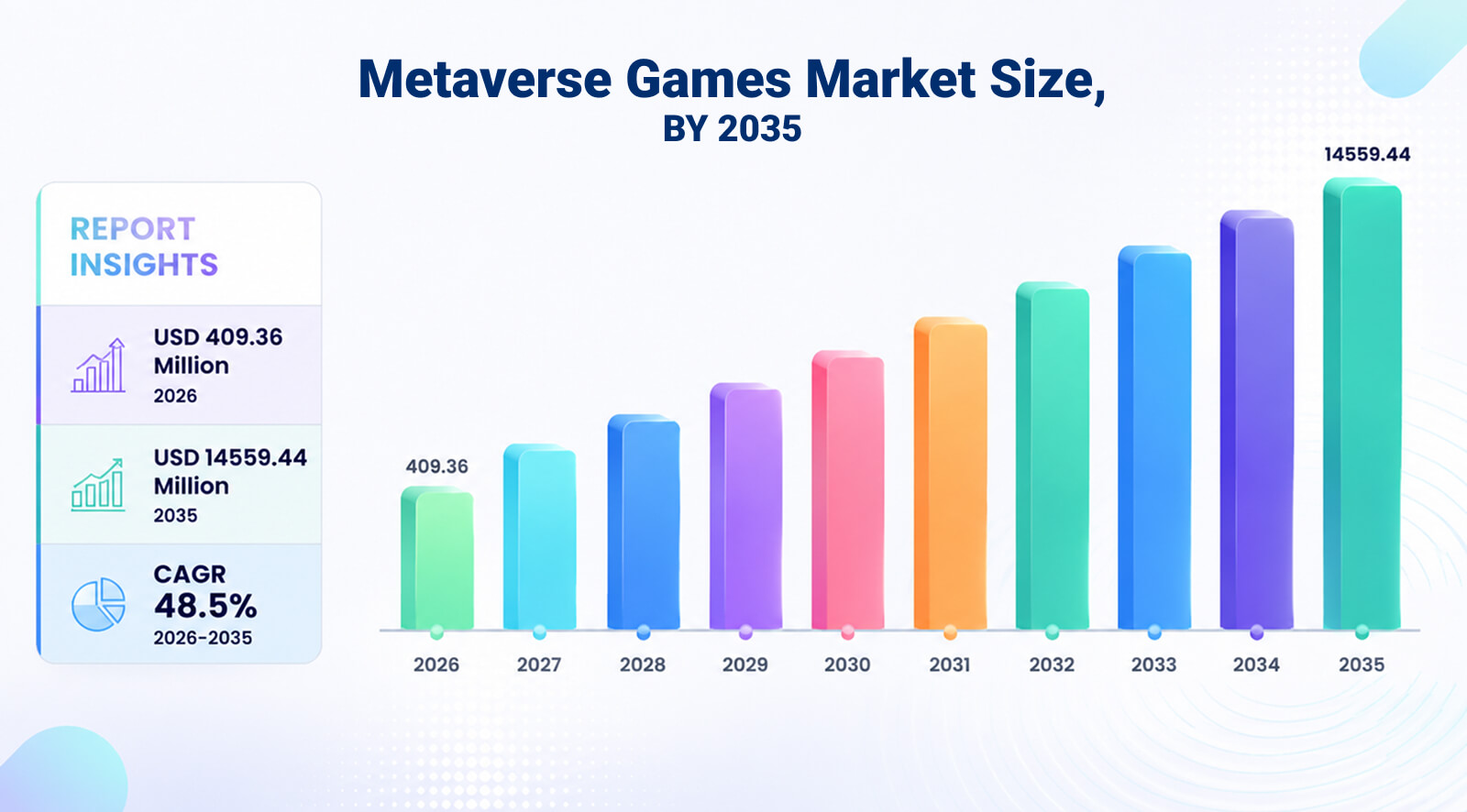
The best metaverse games in 2026 consist of persistent economies and social platforms, topped with creative ecosystems. It is also impossible not to pay attention to the technological part. Lighter VR headsets, widespread 5G connectivity, AI-generated environments, and mature blockchain infrastructure actually delivering what metaverse games promised in the first place.
Metaverse games not only provide an escape into virtual worlds but also have the potential to merge the real and digital realms, creating a broader digital life that once seemed like pure science fiction. This article explores the top metaverse games in 2026.
It is good timing to take a look at the top metaverse games in 2026, and learn why they stand out. So, read on!
Key takeaways:
- The best metaverse games combine different levels of engagement: there’s not only traditional gaming, but also creation, and commercial part, because players own assets and earn income.
- Over 400 million monthly active users engage with metaverse platforms globally; mobile takes more than 50% of that activity.
- Fortnite and Minecraft, well-known and loved by gamers across the globe, have evolved beyond their original genres and became genuine metaverse platforms.
- New games are expanding the metaverse concept into sports fantasy, cozy builders, and decentralized mining, which has an effect on audience growth.
What are Metaverse Games?
Metaverse games are video game genres located in a metaverse, a collective and continuous digital universe that blends the connections between real-life physical worlds and virtual universes. It is largely virtual, showcasing the future of VR and AR games based on this groundbreaking concept and meeting at the intersection between metaverse and gaming.
The integration of the metaverse and gaming is turning this interaction into a real game, blending entertainment and life together like never before. The Metaverse itself is recorded in a smart contract, and each user’s interaction within it is displayed to all. In the end, they show up as persistent, living worlds where those actions have consequences.
Metaverse games are constructed fundamentally differently from traditional games. Every next game session is the direct continuation of the former, so their results are reviewed on a near-weekly/monthly basis. Since Metaverse games are not instant conduction like previous ones, they create a seamless game world. The world state is affected by the actions of points and so on.
Did You Know? In 2017, the first world auction of virtual real estate was conducted in Decentraland — a fully decentralized metaverse platform. Since then, Decentraland land prices have gone through the roof, and some parcels of virtual real estate literally go for over a million dollars each. Today, virtual real estate within this metaverse is one of the most expensive markets.
Elements of Metaverse Gaming
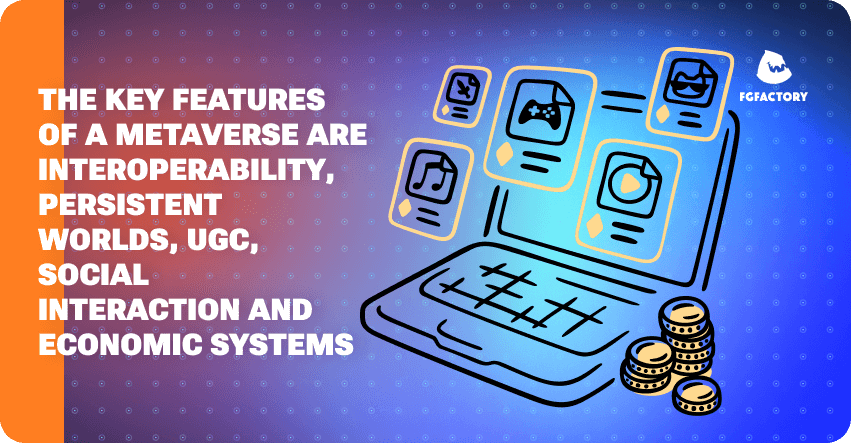
What makes metaverse games successful is not identifying that the game itself belongs to this genre, but differentiating it from traditional types of digital gaming. Such features are as follows:
Interoperability: This characteristic implies that the metaverse gaming world allows moving assets, information, and even characters across different platforms and games. But it is an example of a larger, more unified gaming ecosystem where the virtual space in which we play becomes interconnected and interwoven.
Persistent Worlds: This characteristic means that metaverse video games are based on continuous and permanently developing worlds that exist apart from and separate from the players’ lives but are always changing. Time and players’ actions matter in a persistent and ever-changing world where scenes are always changing.
User-Generated Content: Another characteristic that makes metaverse games different and more successful than traditional games is that people are given various capabilities or possibilities to create content. They can create avatars or game items in all sorts of forms. This helps create a great imagination aspect and potential game-changer solutions.
Social Interaction: Enhanced social features are a cornerstone of metaverse gaming, enabling players to form deeper connections and communities. Whether through voice chat, text chat, or in-game events, NFT metaverse games prioritize social interaction, making them more than just a solo experience.
Virtual Economies: Many metaverse games develop virtual economic systems that allow players to trade, buy, and sell digital assets with real-world value, blurring the line between virtual and physical economies. Such in-game economies are using blockchain technologies and often powered by cryptocurrencies and NFTs (non-fungible tokens).
Top Metaverse Games
As the metaverse continues to expand, several games and companies have emerged as leaders in the space, offering players unparalleled experiences. Here’s a curated list of the best metaverse games in 2026:
1. Decentraland
Release Date: February 2020 (public launch)
Developer: Decentraland Foundation
Platforms: Desktop, Epic Store, Google Play
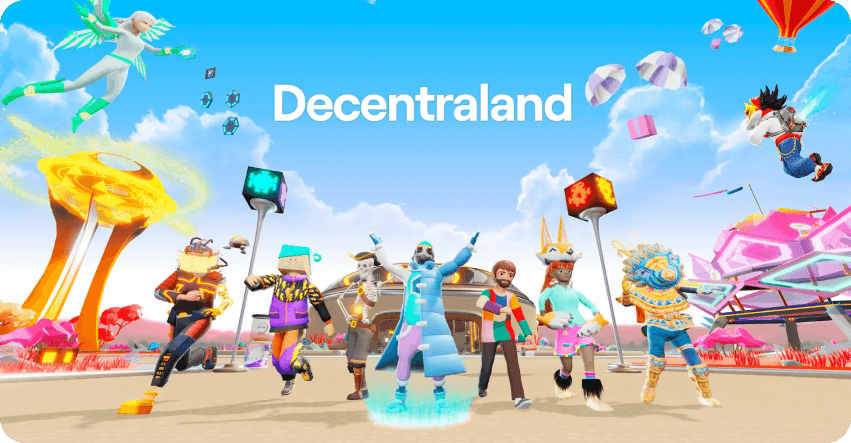
Decentraland is often regarded as one of the foundational and most popular metaverse games. It operates as a fully decentralized virtual world on the Ethereum blockchain, allowing players to buy, sell, and develop parcels of virtual land. Digital property may be turned into any kind of experience, be it an art gallery, a casino, an interactive game, or a social area.
The game differs largely because of its powerful economy; users can make money by selling NFTs and other digital assets they have created in the game. If you’re curious about how to create an NFT collection and dive into this lucrative aspect of the metaverse, our detailed guide provides all the necessary steps. As the platform is decentralized, players own and control all their in-game assets and interact within a real player-driven economy.
Why it stands out?
Decentraland is still the benchmark for truly decentralized virtual worlds. Its DAO governance model gives token holders freedom to impact platform decisions. What does it mean? Essentially, every major decision here goes through a DAO, MANA and LAND token holders vote on platform upgrades or content policies. No single entity can shut it down or change the rules unilaterally. This is extremely different from other platforms controlled by a single company.
Since the active events calendar (that might include art exhibitions, live concerts or anything else) makes it relevant in terms of culture. Brands and independent creators have established permanent presences on the platform. If you just start understanding what it means to participate in player-owned metaverses, this game is your best starting point.
2. The Sandbox
Release Date: November 2021 (open alpha)
Developer: Pixowl / Animoca Brands
Platforms: Web browser and PC client
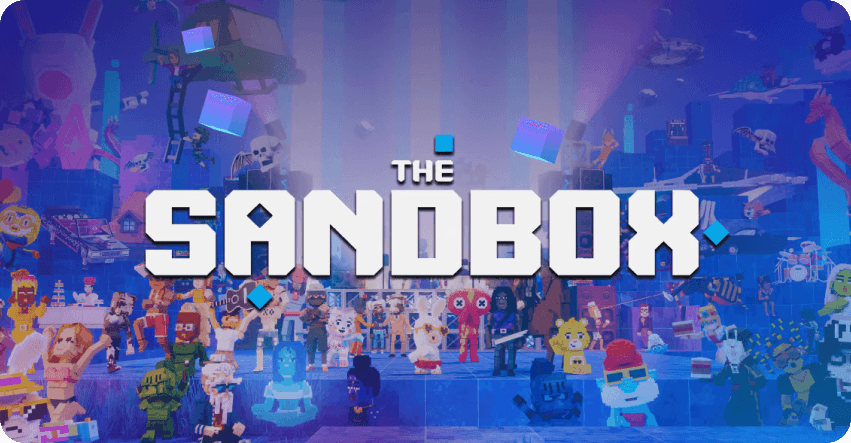
The Sandbox metaverse is popular, and it should be mainly due to the content creation of users who create virtual worlds without restriction over creativity. One can create and build games or experiences for oneself, even entire virtual realities, with the tools on this platform.
The Sandbox players can produce and possess their own digital assets using blockchain. Later, they can trade those on the market or use them in applications across its portfolio of metaverse video games.
This made the appeal even stronger. All thanks to partnerships and collaborations with renowned brands/artists. That meant that users could access more distinct materials. In this way, The Sandbox has all the tools and community you need in equal measure to create anything from a simple game to an entire virtual city.
Why it stands out?
If you look at the depth and profoundness of the creator economy on this game, once comparing it with other games, you’ll understand how hard it is to match it. SAND token holders participate in governance, the VoxEdit tool has become genuinely accessible to non-developers, and a continuous flow of high-profile brand collaborations makes the platform in the center of attention for a long time.
The brand partnership roster includes music artists, fashion houses, entertainment IPs, and sports organizations. These affect and bring consistent new-user traffic. If you are a creator who wants reach, tools, and a real economy in one place, The Sandbox might be one of the strongest options to consider. It won’t be an exaggeration to say that this is one of the most complete metaverse ecosystems at the moment.
3. Fortnite
Release Date: July 2017 (Battle Royale: September 2017)
Developer: Epic Games
Platforms: Desktop, PlayStation, Xbox, Nintendo Switch
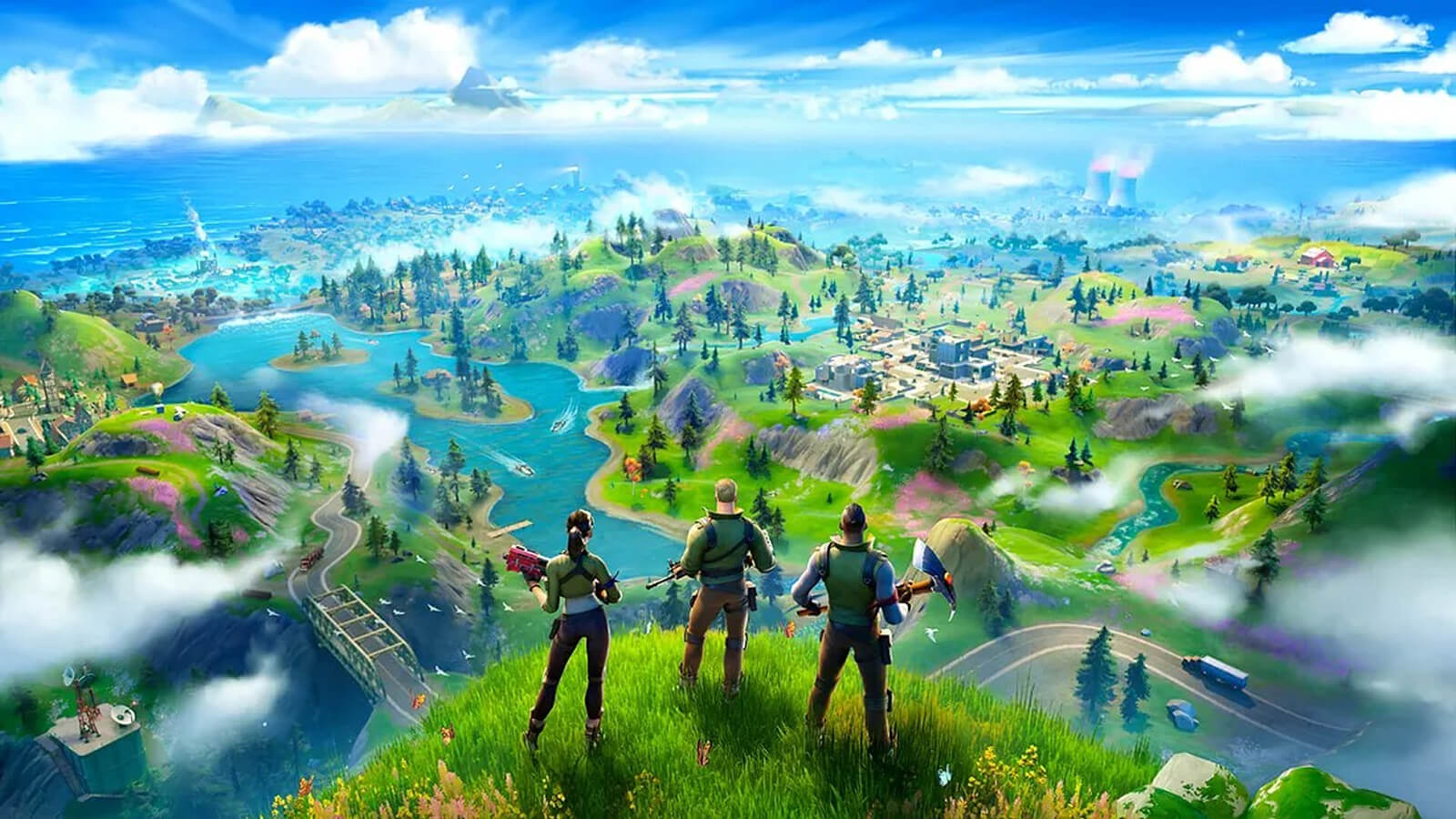
Gamers tend to think that Fortnite is just a big game. What makes it genuinely metaverse-like? The answer would be the diversity of what happens inside it. Players play battle royale, sure. But that’s a bare minimum. They attend live concerts, experience narrative events that reshape the game world, and explore thousands of community-built islands.
The game launched in 2017 as a co-op survival shooter, then pivoted to Battle Royale, and that pivot made it a cultural phenomenon. But the real metaverse evolution began with Chapter 2 and accelerated through Chapter 3 and beyond.
The introduction of UEFN (Unreal Editor for Fortnite) in 2023 was the next major step. It opened the platform to independent creators with professional-grade tools. It is the same Unreal Engine technology used to build AAA games. By 2026, UEFN creators have published over 80,000 islands, and earned more than $320 million in its first year.
Why it stands out?
Fortnite’s scale is simply unmatched. Over 100 million active players plus a creator economy paying out hundreds of millions annually. They also have a steady pipeline of IP integrations which makes it a truly mainstream metaverse platform.
Fortnite is a platform where independent creators can build real businesses. Just think about it: the Verse scripting language, in-island transactions, and analytics tools made it into something like a commercial game development platform.
4. Axie Infinity
Release Date: March 2018
Developer: Sky Mavis
Platforms: Desktop, App Store, Google Play
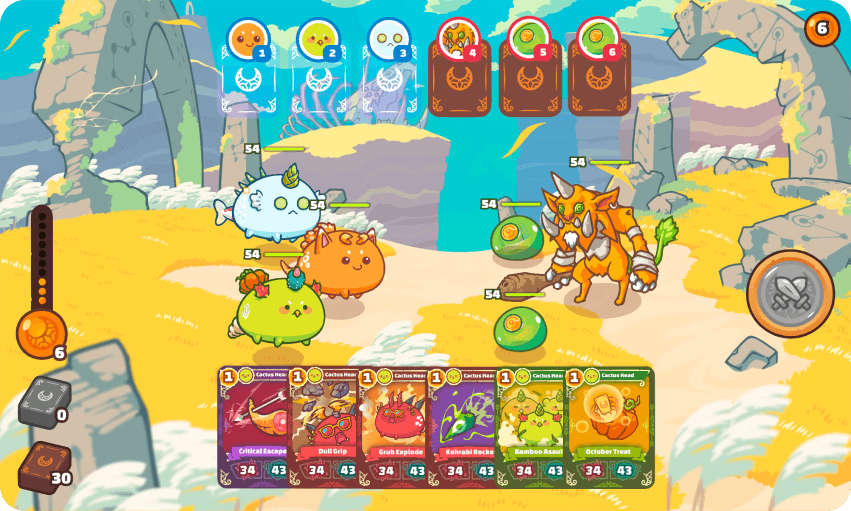
Axie Infinity is an interesting game that merges blockchain technology with enjoyable gaming, creating a new genre of metaverse play-to-earn experiences. Reminded by Pokémon, the game lets gamers accumulate, produce, and combat creatures called Axies. Each Axie is deemed a singular NFT, which users can buy, swap, or resell on the marketplace.
The game’s rigorous economy allows people to earn real money by waging fights, producing and raising little Axies, and even owning land. Axie Infinity’s success has been a considerable booster for the acceptance of blockchain gaming in general. Afterward, they are amenable to proving that a game’s virtual economy can supply users with real financial opportunities.
Why it stands out?
Axie Infinity’s importance has a bit less to do with what the game is today. Its main value is in the fact that the platform proved blockchain gaming could achieve mainstream scale. This was the game that inspired an entire ecosystem of play-to-earn titles. That historical weight is hard to beat. Still, the game has also done real work to stay relevant.
The Ronin sidechain, built by Sky Mavis specifically for Axie, has matured. You can see that transaction costs are low, the infrastructure is stable, and the wallet onboarding process has become much easier. Axie Origins, the revamped battle system, addressed many of the criticisms about the original game’s repetitive mechanics. The land gameplay layer gives something more that creature battling, and that’s why longer-term players have a reason to stay invested.
For anyone who is new to play-to-earn, Axie remains the most documented and community-supported entry point. You can find an immense library of guides, strategies, and active communities compared to most blockchain games.
5. Roblox
Release Date: September 2006
Developer: Roblox Corporation
Platforms: Desktop, PlayStation, Xbox, App Store, Google Play
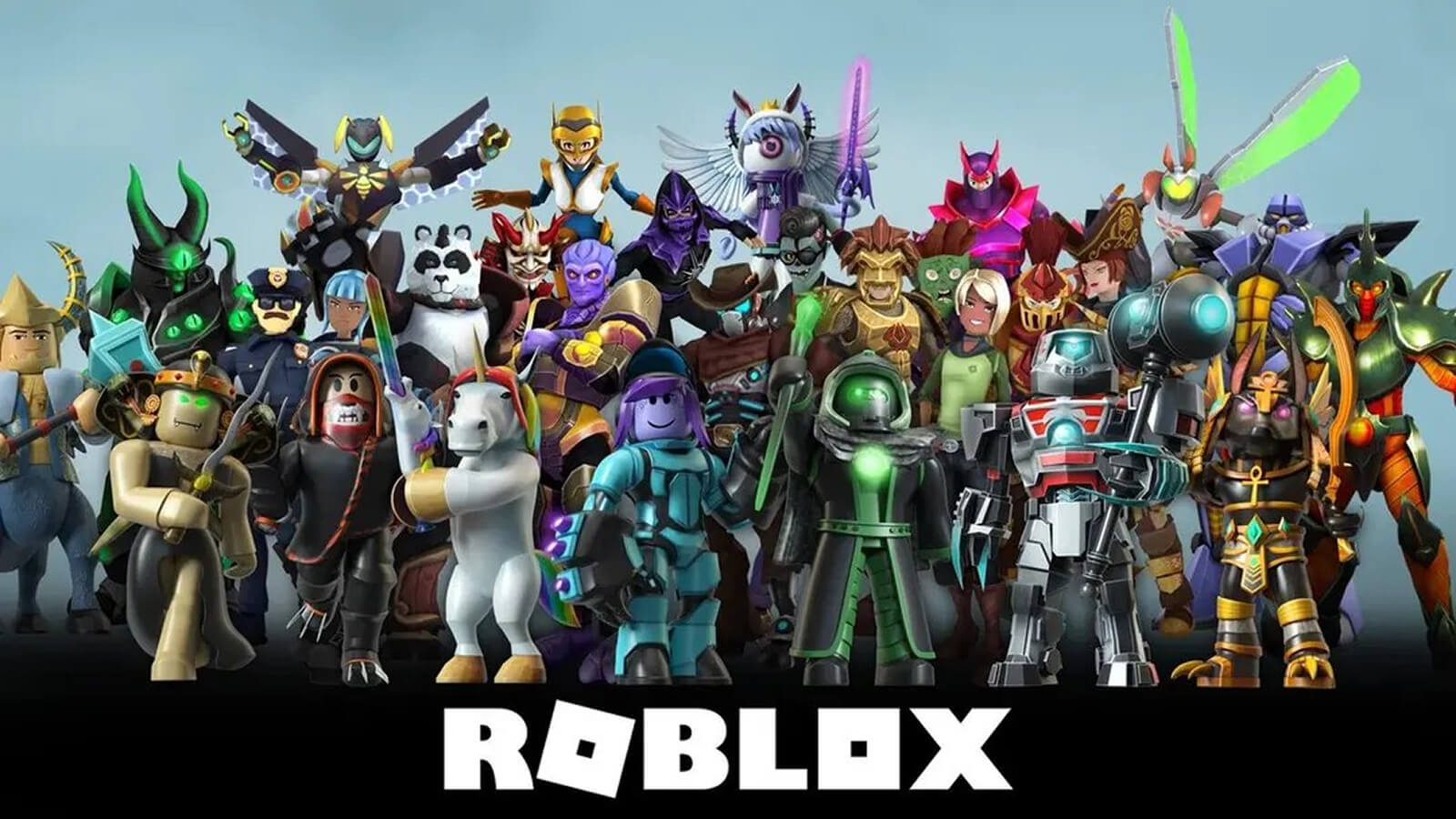
Roblox, which used to be a popular creation tool for kids, has grown into one of the most sophisticated metaverse platforms. There are over 70 million daily active users and a developer economy that pays creators millions each year.
The demographic with such a shift is also different. Roblox in 2026 supports full RPGs, social hangouts, virtual concerts, educational experiences, and competitive games. And all that is really coexisting on one platform. The virtual currency system (called Robux) forms a functioning in-platform economy. The company continues to experiment with expanded ownership features and interoperability.
Why it stands out?
Teenage and adult creators make up a growing share of both the developer and player base, and the content they’re building reflects that.
What makes Roblox genuinely interesting as a metaverse in 2026 is the feedback loop between creation and commerce. Some creators have built studios on the back of Roblox games only! The low barrier to entry for creators, paired with a ready-made audience of tens of millions, makes Roblox the most democratic creative metaverse available, and definitely one of the best metaverse games in 2026.
Tip: If you’re new to metaverse gaming, Roblox and Fortnite are the most accessible entry points. Why? You don’t need to have any crypto wallet or blockchain knowledge. Once you’re comfortable with how persistent virtual worlds work, you can turn to Decentraland or The Sandbox to explore deeper ownership and earning potential.
6. Illuvium
Release Date: 2023 (Open Beta); full launch ongoing
Developer: Illuvium Games
Platforms: PC, Epic Store
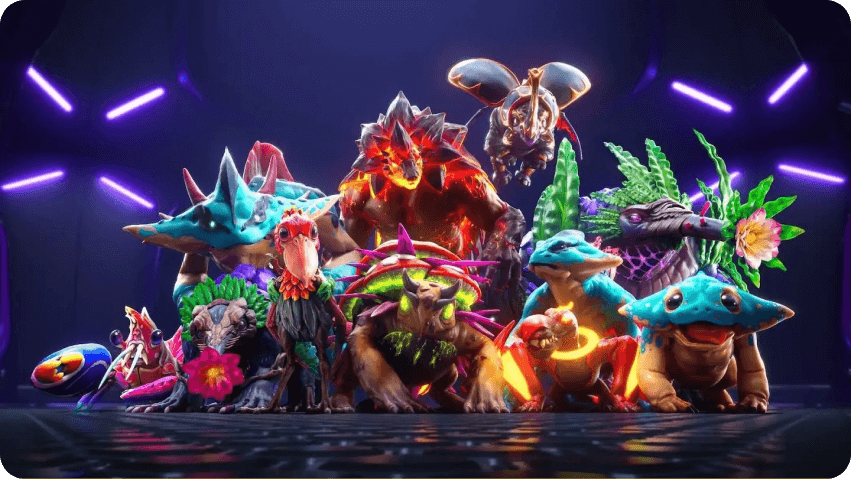
Illuvium is a beautiful open-world RPG by Illuvium Games. In Illuvium, players capture and battle NFT creatures known as Illuvials that reside in the virtual world of Illuvium and can be traded on the market. Thanks to blockchain technology, there is a guarantee for resource ownership, all collected illuvs will belong to their owners along with other gaming assets since the game principle itself remains decentralized platform-guarded secret (the open-source code).
One of the most promising metaverse games 2025, Illuvium has interesting gameplay mechanics that mix traditional RPG features with the opportunities blockchain offers, creating something relatively new in its genre. Behind the game, there is a community and developers that help it grow into something better.
Why it stands out?
Illuvium occupies a rare position in the blockchain gaming space. Not only is it visually polished, but it treats blockchain ownership as an integrated design feature. Compare it to other similar games that consider it as a marketing add-on.
The multi-game ecosystem is a real differentiator. The games are:
- Overworld is the open-world exploration and capture experience;
- Arena handles the auto-battler combat;
- Beyond focuses on digital collectibles.
Together they are combined into the same asset economy, meaning what you earn or build in one game has value across the others. If you have been following metaverse promises, you know that’s exactly what was projected to be achieved. Illuvium does it in a good quality, too.
The game runs on Immutable X, which means transactions are gas-free for players. It won’t be a mistake to say that in this gaming ecosystem players can get a serious RPG with genuine ownership mechanics. Truly, it is one of the top metaverse games in 2026.
7. Minecraft
Release Date: November 2011 (full release)
Developer: Mojang Studios (Microsoft)
Platforms: PC, PlayStation, Xbox, Nintendo Switch, iOS, Android
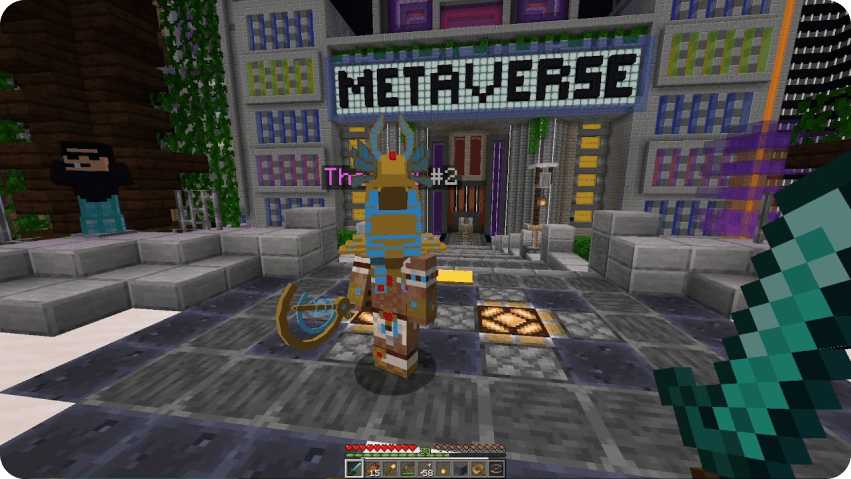
Minecraft has been a metaverse long before the word became fashionable. It is a player-shaped world that evolves through collective action. Isn’t that description, today in 2026, fitting the broader metaverse definition as well as anything on this list?
What makes Minecraft a genuine metaverse platform today is the ecosystem that has grown around it. There are custom servers with thousands of concurrent players, full RPG economies, role-playing communities, education-focused builds, and creative servers that are actually real virtual cities. The Marketplace provides a functioning economy. Creators sell content to millions of players.
Why it stands out?
Minecraft’s claim to metaverse status is built on something no blockchain game can buy: fifteen-plus years of continuous community world-building. The density of player-created content on this platform is simply impossible to match!
Hypixel servers run economies, guilds, and competitive seasons that function independently of Mojang. They are, in effect, persistent virtual worlds with their own cultures and social structures.
What’s also underappreciated is the Marketplace. What is that if not a functioning creator economy? For years, developers have sold maps, texture packs, and mini-games to millions of players across all platforms.
Did You Know? The Metaverse is a concept that was invented by writer Neil Stephenson in his 1992 novel “Snow Crash.” It was a virtual world where people can be completely in, just like in the real world.
8. Second Life
Release Date: June 2003
Developer: Linden Lab
Platforms: Desktop, Google Play, App Store
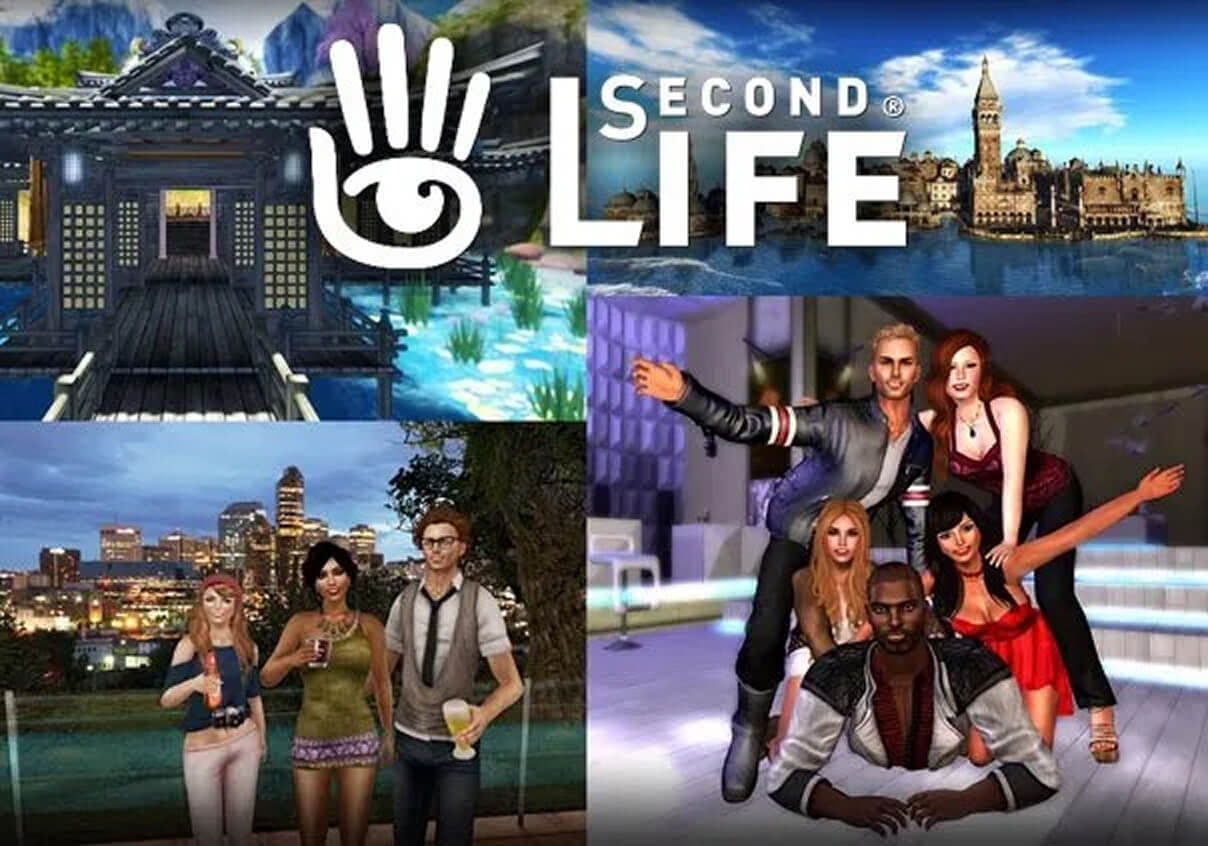
Second Life is one of the OG metaverse games. People performed as if they lived their second lives in the database, doing everything that happened to them in real life. That was in 2003, and to this day, it is still the most-played game of all time. Lots of players have different aims: talk, get a job, have a good time, and play!
That economically simulation-based gaming platform on Linden Dollar and its economy: people earn money simply by playing their digital life. They can buy real estate, set up companies, and work in most of the professions that are available, just like it happens with humans. It is one of the best virtual world games to make money.
Why it stands out?
Second Life is proof that metaverse concepts have real longevity when built around community and economy. It has now survived three distinct waves of “metaverse is the future” enthusiasm (every single one followed by a downturn). And it became an active, economically functional platform.
The Linden Dollar economy is the most interesting asset here. Linden Lab has reported that billions of Linden Dollars change hands annually in a player-driven economy. It covered virtual real estate, fashion, services, and entertainment. Players run legitimate businesses inside Second Life, no less.
9. Star Atlas
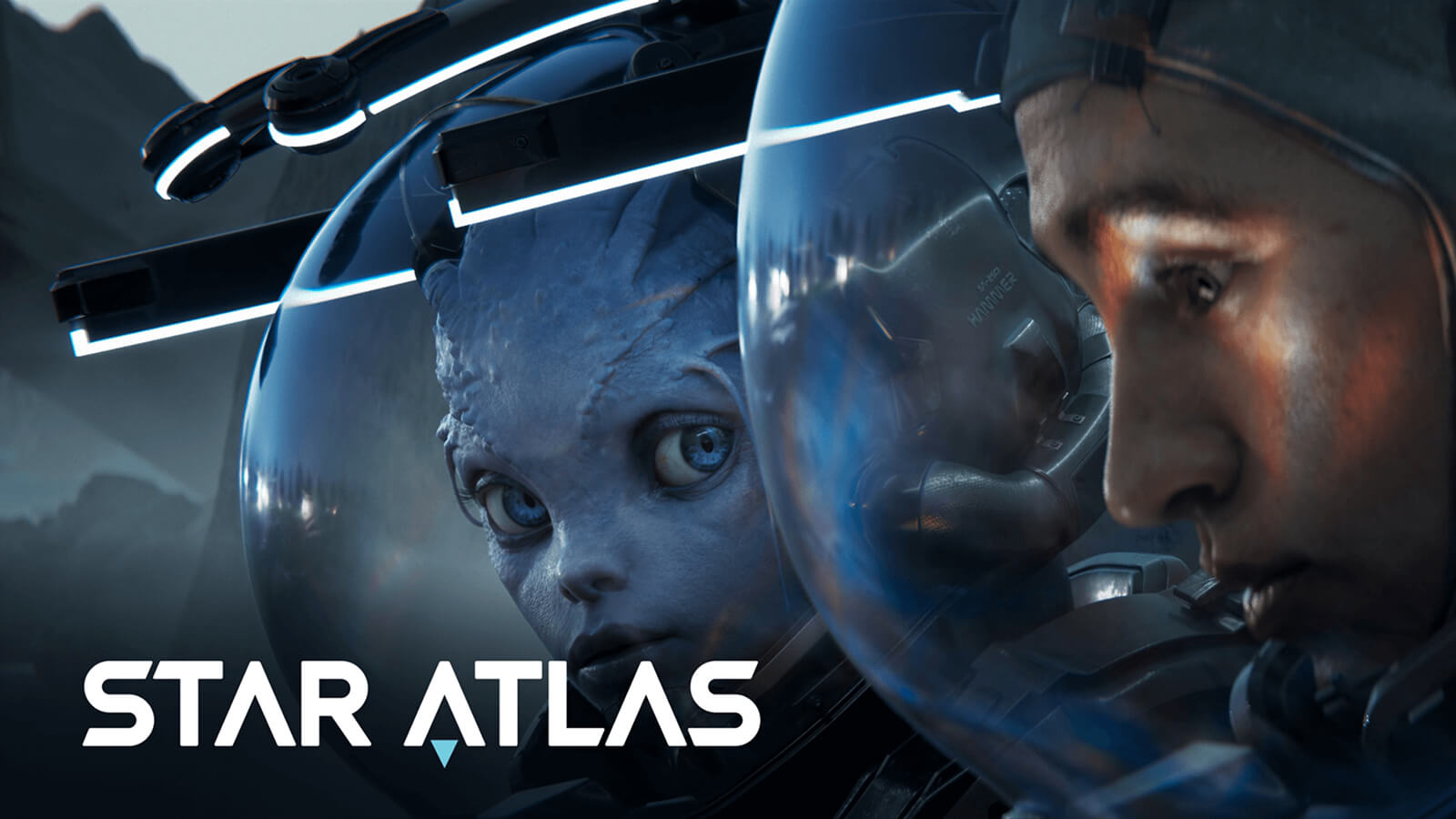
Release Date: 2021 (token launch); gameplay rollout ongoing
Developer: ATMTA Inc.
Platforms: Epic Store
Star Atlas is a new original metaverse game set in the latest space-themed galaxy. The game was developed on the Solana blockchain and offers a grand voyage through space with blockchain features. So players can own spaceships, planets and any other digital assets in the game. The excellent quality of the graphics makes this title an engaging game for you to actually be in and compete with players, as well as carry out space battles, trade resources, or lead your faction through active governance.
Furthermore, the economic model is completed by including decentralized finance features in Star Atlas, which reward players for everything they do inside the game. Even though the game works in a digital reality, that fact is significant and extraordinary in a real universe, so Star Atlas might evolve to be a dominant actor on the space scene and one of the best metaverse games.
Why it stands out?
Star Atlas earns its place on this list primarily through ambition and visual execution. Why? Because these are the two things that are genuinely rare in Web3 gaming. The production quality of its assets and environments are much closer to a traditional AAA game than anything else in the blockchain space. This matters for attracting players who would otherwise dismiss the genre.
The choice to build on Solana is defining: the blockchain’s high throughput and low transaction costs make the kind of real-time economic activity the game requires actually functional. It could have been rather prohibitively expensive, and that’s important to understand.
10. Sorare
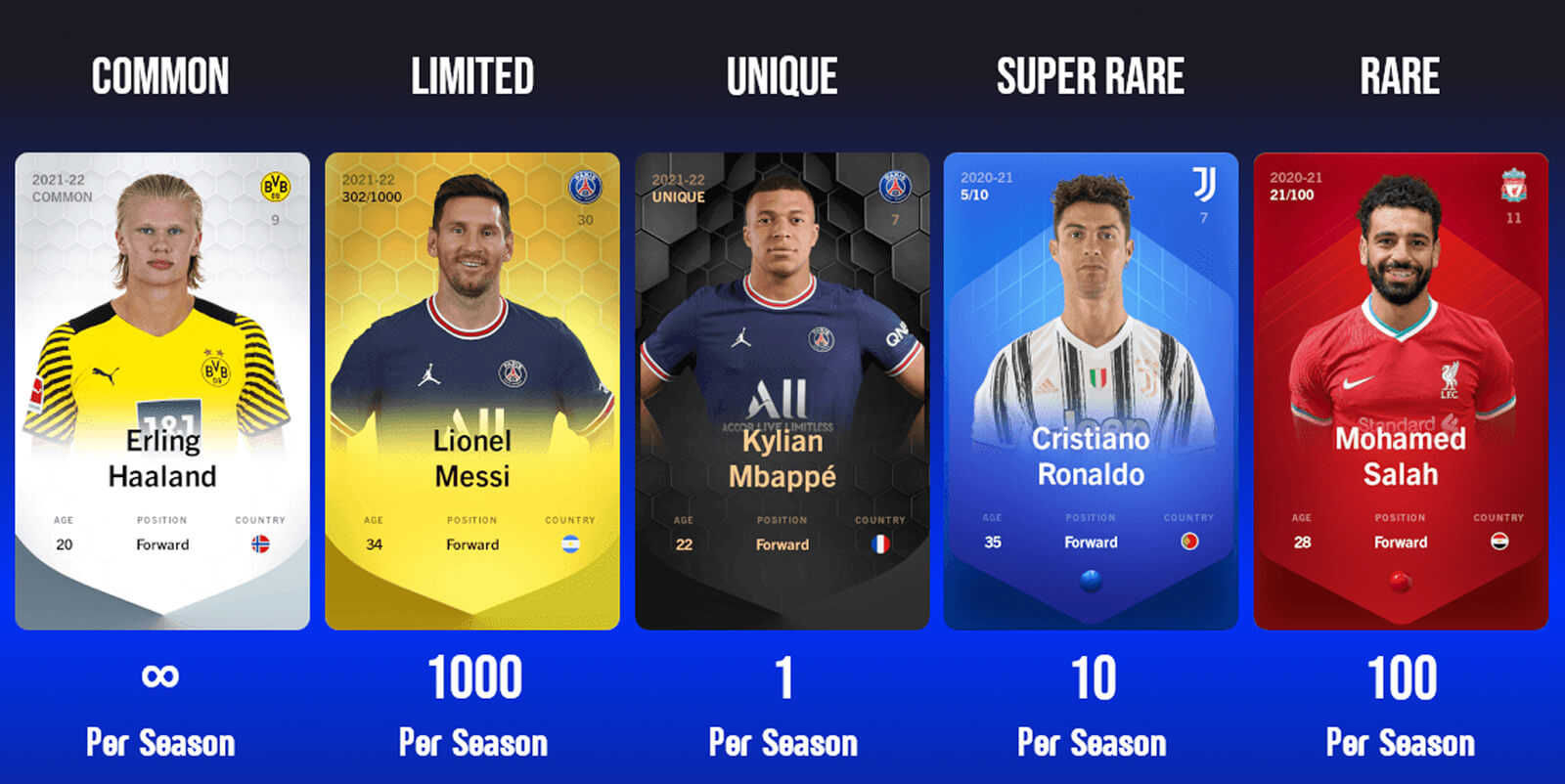
Release Date: 2018 (founded); 2019 (platform launch)
Developer: Sorare SAS (Nicolas Julia and Adrien Montfort)
Platforms: Web browser, App Store, Google Play
Sorare is a fantasy sports platform that combines traditional sports fandom and blockchain gaming. Players build virtual teams using NFT player cards (each representing a real professional athlete) and compete in tournaments based on those athletes’ actual real-world match performances. Simple in essence, but a highly compelling idea.
As of 2026, Sorare covers football, basketball, and baseball, with over 215 officially licensed clubs on the platform. In October 2025, Sorare migrated its infrastructure to a multichain setup, moving NFT cards to Solana for improved speed and interoperability. Investors include Lionel Messi, Kylian Mbappé, and Serena Williams, which proves the platform’s credibility in the sports world.
Why it stands out?
Sorare has solved a problem most blockchain games haven’t: how to make digital ownership meaningful to people who don’t care about crypto. Sport fans understand the value of a rare player card, and that’s a concept that existed long before NFTs. So, Sorare just anchored ownership to real athletes and real match outcomes.
Thanks to multichain migration to Solana, cards can now be managed in mainstream wallets, and transaction speeds are faster. And yes, the cost of card transfers has also dropped.
The licensing portfolio, which includes clubs like Real Madrid and the NBA, gives Sorare credibility with sports organisations that remain cautious about blockchain partnerships. Thanks to that, it is obviously in all possible lists of the best metaverse games in 2026.
Did You Know? Sorare migrated its NFT card infrastructure to Solana in October 2025, leveraging the blockchain’s capacity for up to 65,000 transactions per second.
11. Voxels
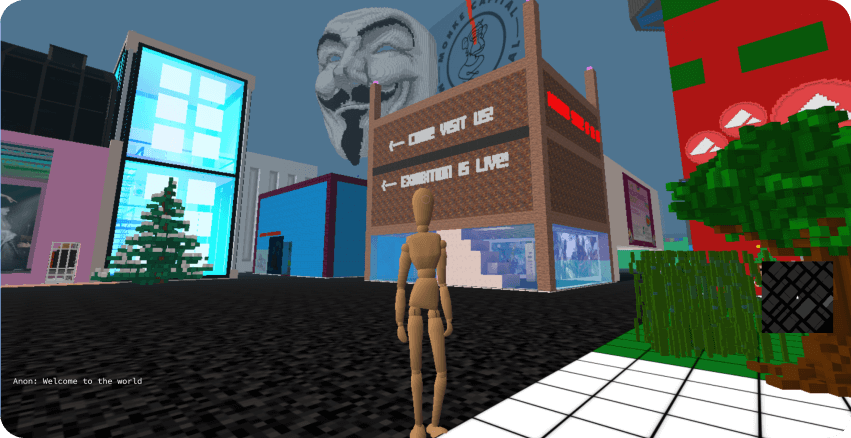
Release Date: 2018 (formerly Cryptovoxels)
Developer: Ben Nolan / Voxels
Platforms: Online in Browser
Voxels has done something a lot of metaverse platforms struggle with: it’s built a coherent identity. Very often, larger platforms try to be everything to everyone, while Voxels has become the home of digital art and creative culture in the metaverse.
Voxels is built using a virtual universe constructed around the Ethereum blockchain. Players can construct responsive galleries, stores, and other spaces. To do that, you don’t need much, just quite easy-to-use tools.
One reason why voxels have become popular is that they look nice and clean and are easily modeled. That means anyone can start to build metaverses. The implementation of NFT allows players to buy and sell digital assets. As a result, it is especially beloved by communities of artists and creators who keep the world constantly updated with additional iterations. This is one of the best metaverse games.
Why it stands out?
The browser-based access is a practical advantage that shouldn’t be underestimated. Users don’t need to download, they don’t have to install things, or do a wallet setup to visit.
Anyone with a link can walk into a gallery or store immediately. This lowers the barrier for artists trying to show their work to collectors who aren’t yet deep in the crypto world. The voxel aesthetic also ages well.
The NFT integration is functional and live, meaning artists can sell directly from their spaces. Voxels won’t compete with The Sandbox for scale, and it doesn’t try to. Its power is in community quality in a specific niche, which is a more durable position than trying to win on breadth.
12. My Neighbour Alice

Release Date: Beta Season 1 launched 2024; ongoing development
Developer: Antler Interactive (built on Chromia blockchain)
Platforms: Steam
My Neighbour Alice is a multiplayer blockchain builder game inspired by Animal Crossing. Players buy and own virtual islands in the Lummelunda Archipelago, but they also farm, fish, and beekeep. All gameplay runs fully on-chain via the Chromia blockchain.
It was designed to be genuinely playable for people who have never touched crypto. Players can participate without needing to own cryptocurrency, and the governance structure gives ALICE token holders a real vote in development decisions. Collaborations with RSTLSS bring user-generated content. Players create and sell custom avatars, clothing, and items.
Why it stands out?
My Neighbour Alice offers a cozy, social, relaxed virtual world to inhabit. That makes it unique, and one of the best metaverse games. It is not a competitive arena or financial instrument which also creates a big differentiation.
The technical foundation is genuinely interesting. Running fully on-chain via Chromia means the game has no centralized servers that can be shut down or compromised. Yet the game is specifically designed so that players don’t need to understand any crypto-related things to enjoy the gaming. After all, crypto participation is optional.
The Community Council DAO gives token holders real governance power over the game’s direction, which creates an unusual situation where players are also stakeholders with a voice.
13. Alien Worlds
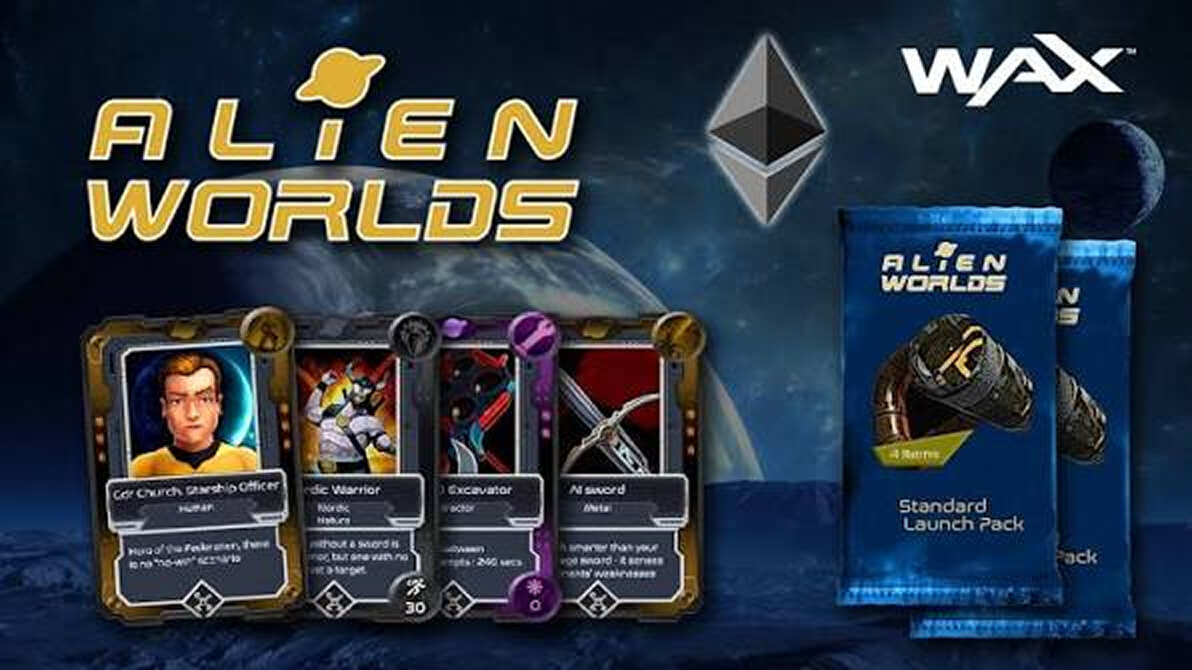
Release Date: December 2020
Developer: Dacoco GmbH (Zug, Switzerland)
Platforms: Online in Browser, App Store, Google Play
Alien Worlds is a decentralized metaverse where players mine, trade, and compete for Trilium (TLM). That’s the platform’s native token, and it works on all six alien planets: Eyeke, Naron, Magor, Neri, Kavian, and Veles. Built on the WAX blockchain, with Ethereum and BSC integration, the metaverse is governed by Planetary Syndicates (DAOs) that players can join and influence.
Also, the game’s community-approved lore and ongoing Galactic Hubs grants program support third-party developers building within the ecosystem.
Why it stands out?
Alien Worlds has actually built an ecosystem while people usually expect to see a single game. The Galactic Hubs grant program funds third-party developers to create new games and tools within the Alien Worlds universe.
The multi-game structure means the platform has different entry points for different players.
- Casual miners can engage with the original WAX-based mining loop.
- Competitive players can participate in Mercenary Battlegrounds PvP tournaments on Steam.
- Mobile players can pick up Mayhem on iOS or Android.
All of these connect to the same asset economy, so progress in one context has value in the others, too. The combination of governance, multi-game access, cross-chain infrastructure, and active developer grants puts Alien Worlds in a different category from most single-game blockchain projects.
14. WorldWide Webb
Release Date: 2021
Developer: Thomas Webb / WorldWide Webb
Platforms: Web browser
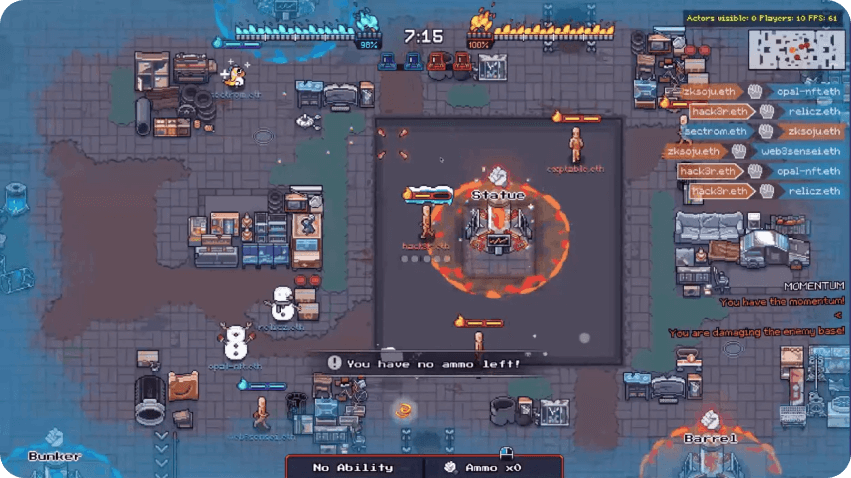
What is notable for WorldWide Webb is that it is a pixel-styled metaverse game that combines an archaic view with up-to-date blockchain technology. In other words, this game generates a unique combination of reminiscence and innovation since it allows players to take part in battles, own land, and participate in a self-driven player-based economy. With a particular focus on social interaction taking place in a community, WorldWide Webb represents itself as particular among other games in the metaverse area. The game serves as an ideal place for all gamers eager to unite a connection, a sense of a team, and the ability to create something.
The economy of the game is driven by NFTs and cryptocurrencies, which means that it is possible for a player to make actual money while playing games. We offer it to people who are obsessed with the metaverse, especially since it creates an opportunity specifically due to the art and manner in which the game is designed, as well as an active audience playing it.
Why it stands out?
WorldWide Webb’s pixel aesthetic is not something nostalgic for its own sake. It’s a deliberate design choice that gives the platform a cultural identity. The 16-bit visual language attracts a specific kind of player: someone who grew up with classic RPGs and JRPGs, and is drawn to a virtual world that speaks that (almost forgotten) language.
The NFT avatar system is one of the better implementations in the space. Players can import their existing NFTs from other collections as playable characters inside the game. This is a reason for holders of other projects to engage with WorldWide Webb directly. The land ownership and PvP combat systems give the game a competitive depth that purely social metaverses lack.
The community that has formed around the platform is smaller than Roblox or Fortnite by orders of magnitude, but highly invested and creatively active.
15. Upland

Release Date: 2019
Developer: Uplandme Inc
Platforms: Web browser, App Store, Google Play
Upland is a game based on blockchain principles presenting property trading. It allows users to exchange virtual properties or pieces of estate, tied to real-life locations. This is a great combination of real-life-based RA and metaverse games.
One important thing about this metaverse game is the use and implementation of blockchain. Because of that, every player has full and valid possession and can buy or sell their property for digital money. Upland is equipped with virtual currency UPX, which can be earned by players in a number of ways throughout the game. Overall, it is a game about real-life connections and a player-owned and player-driven economy.
Why it stands out?
Upland’s core idea is to mirror virtual property ownership onto real-world geography. But many players are already familiar with it, and frankly not impressed. Most virtual land games ask players to value abstract digital parcels with no reference point outside the game itself.
Upland does things differently: they anchor value to places people already have feelings about. It might be your neighborhood, your city, a street you walked down as a kid. That emotional grounding makes the economy, in a way, real. And also strangely different, because pure virtual land rarely does the same.
The progression system is well-designed for long-term engagement. Players start as visitors and can work their way up through property tiers. In that way, they accumulate UPX, get new city access, and build collections. They can also collaborate to develop entire neighborhood and earn bonuses from shared district development.
Tip: If you want to fully enjoy your gaming in the metaverse experience, join the community forums or social media groups around your chosen platform. You’ll find news about hidden features, exclusive events, and collaboration opportunities.
Types of Metaverse Games
Metaverse games are very different in their gameplay nature and prime mechanics. The same as FPS is distinguished from strategy games and casual games, there are different metaverse games for different tastes and different kinds of players. Below are the most popular, and basic types of metaverse games that gained players’ loyalty.
Open-World Sandbox Games
Open-world sandbox games are among the most popular and beloved by players among all metaverse games because they provide players with a totally free environment where players can create something new. Such games become a playground for social interactions, creative expressions, and player-driven experiences that can also be monetized and generate income for gamers.
The key feature of open-world sandbox games is their openness. Players literally can do whatever they want on the game’s platform: create UGC, trade, communicate with each other, compete, and collaborate in teams. Virtual worlds in these games have minimum restrictions, making the gaming experience limitless.
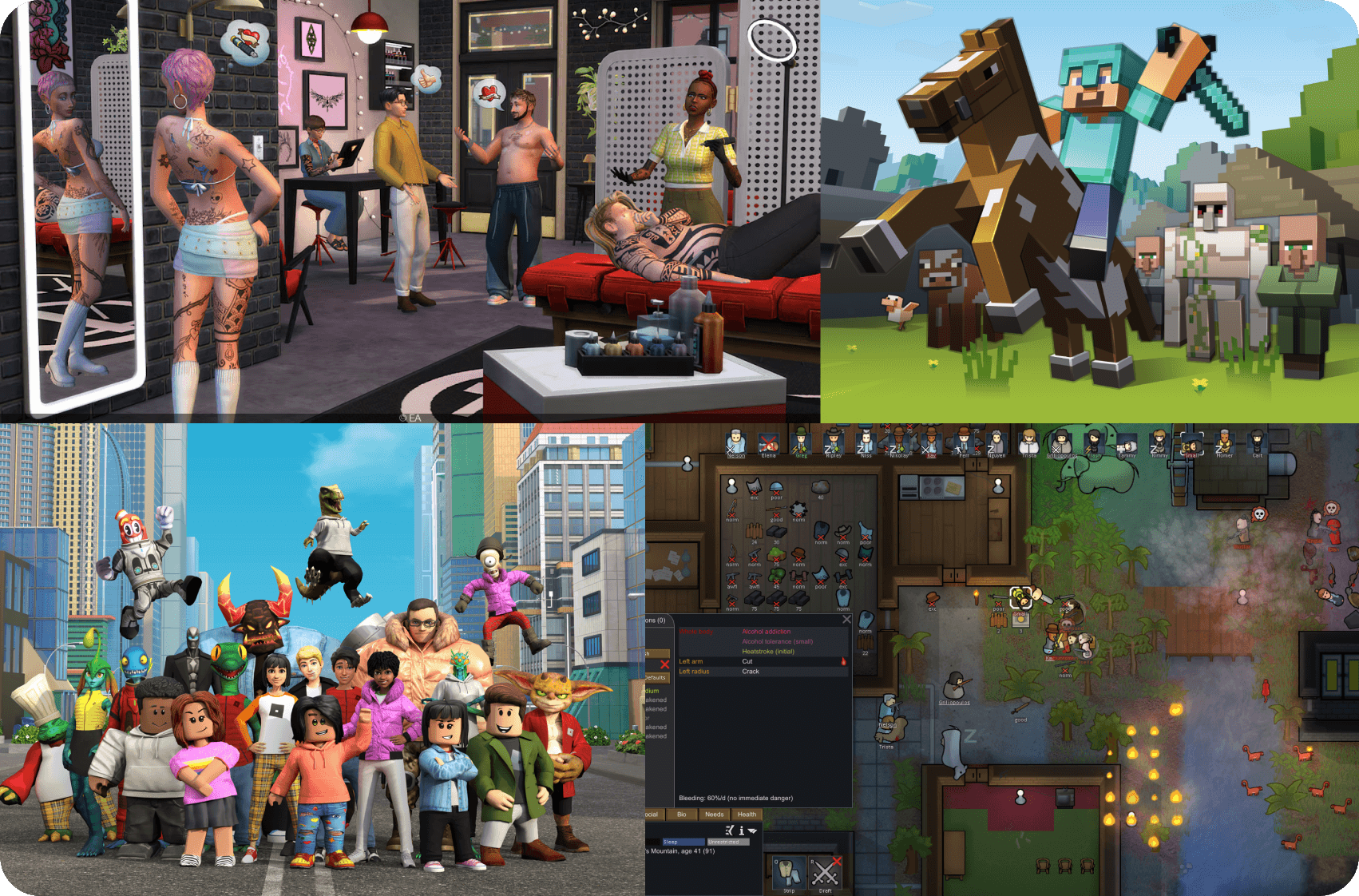
Sandbox games are the basic metaverse games
For instance, Decentraland allows players to purchase virtual pieces of land as real NFTs, create in-game content, and monetize it. In the same way, the Sandbox offers gamers a free digital environment for creation, where game elements can be bought and sold for real money. Another open-world sandbox giant, Minecraft, for years, has provided players with stylistic building opportunities and multiplayer gameplay, fostering mesmerizing metaverse experience.
Open-world sandbox games are blurring the lines between gaming experiences, creativity, user-generated content, social interactions, and monetization, creating a charming metaverse experience.
MMORPGs (Massively Multiplayer Online Role-Playing Games) in the Metaverse
Massively Multiplayer Online Role-Playing Games are the large-scale giant of metaverse games that offer players the tremendous digital world to explore and deep lore to experience. When players play in MMORPGs it takes hours, because exploration, fighting, role-playing, social engagements, quest completion, and narrative take time and give joy in exchange.
Metaverse MMORPG takes steps further by providing players with blockchain technology, NFTs, and the opportunity to trade in-game assets. For example, Illuvium offers an open-world environment, blended with auto-battle features, based on which players can develop and earn their NFT creatures. Meanwhile, the Star Atlas game takes action right into space, offering players cosmic opera and a vast space for exploration, combat, politics, and a decentralized economy.
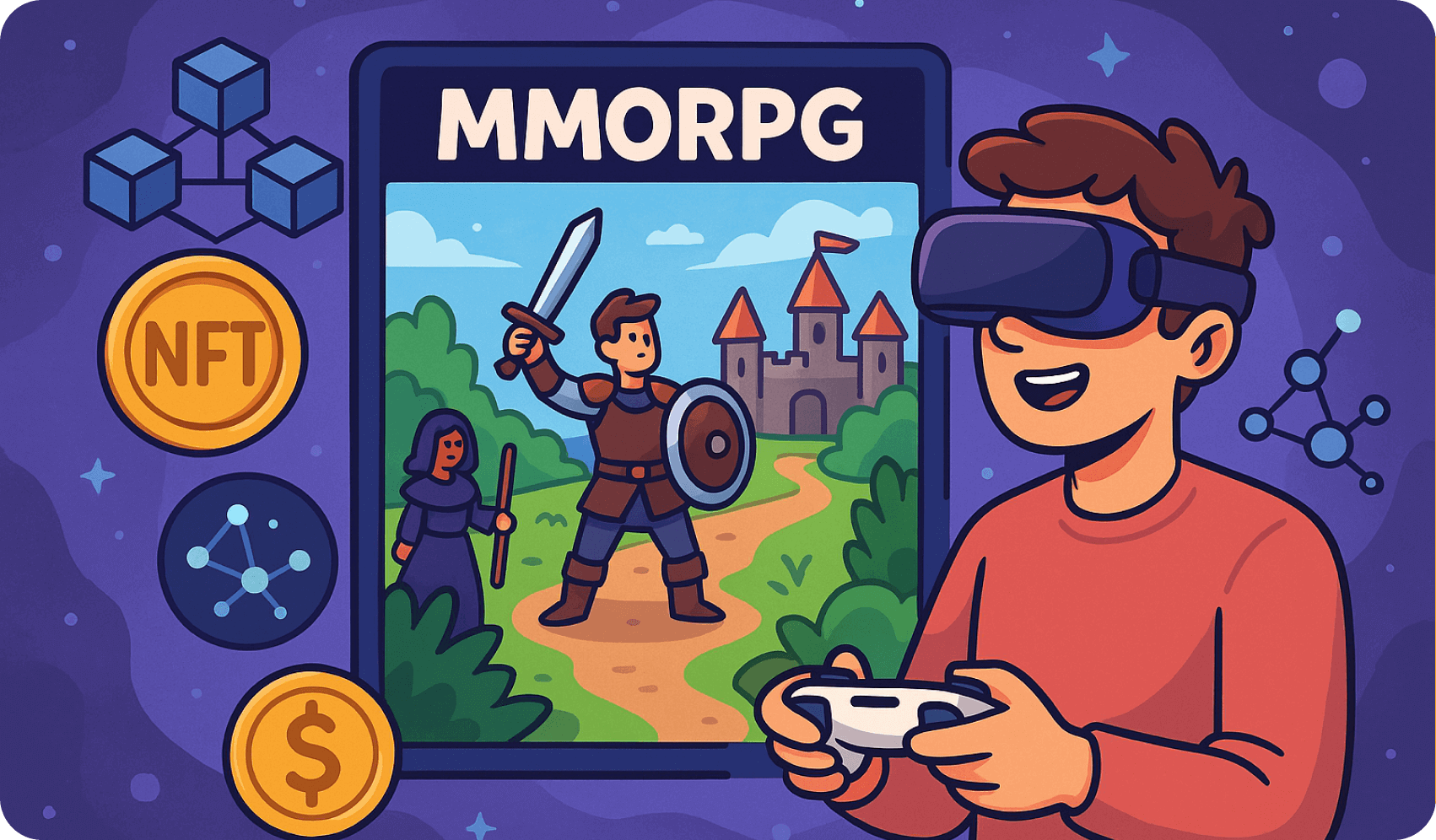
MMORPG Games in the Metaverse
MMORPG, blockchain technology, and metaverse advancements are the powerful mix that delivers players an incredible virtual experience, not limited by only entertainment, but also expanded by monetization, communication, and creativity.
Play-to-Earn (P2E) Games
Play-to-earn, or simply P2E, games were the first to implement blockchain technology into the gaming world, creating for players an opportunity to earn through the gaming process. The key element that distinguishes P2E games from traditional games is the in-game assets that have a real world value and ownership and can be traded for in-game currency through blockchain technology.
P2E games based on NFTs and blockchain technology allows players to generate income while playing
Decentraland is a great example of a P2E game, where players can create, sell, and purchase digital real estate in the form of NFTs, creating a real in-game economy. Another example is Axie Infinity, where gamers use virtual creatures as NFTs, breed them, battle, purchase, and sell them for cryptocurrency. In the Second Life game, players can generate income by trading in-game assets, services, and ownership over digital land.
Social & Casual Metaverse Games
When developing social and casual metaverse games, developers aim for the social interactions and communication features that are always crucial to the gaming community. By shifting focus from competition and battles to social features, digital hangouts, and virtual hubs, developers create an environment for players to socialize, and spice it with mini-games and challenges.
Among the most efficient social metaverse features are virtual concerts, which empower social interactions in metaverse games. One of the best examples of implementing virtual concerts in games is Fortnite, where developers went far beyond the traditional Battle Royale genre and invited pop stars like Ariana Grande to host in the game a live concert. Developers of the Roblox game chose a different strategy and focused on user-generated content, providing players with an excellent platform for self-expression and creativity.
Competitive Battle Royale & eSports
Metaverse is not only about socialization and simple casual experiences. Metaverse games are a great playground for competitive battle royale experiences and eSports gameplay that attract players from all over the world. Metaverse enhances competitive-driven gameplay, adding new layers of engagement, and offering two types of features: battle royale, where everyone against everyone, or team-based, where players divide into two, or more, groups.
Fortnite is the most popular metaverse battle royale title that combines fast-paced battles with live events and meta-content. Another example is the WorldWide Webb game that offers players incredible PvP battles, enhanced with NFT avatars and blockchain transactions.
Virtual Reality (VR) Metaverse Games
Metaverse gaming adopts newly established technologies rapidly, and VR/AR experiences are no exception. Virtual Reality advancements are one of the most valuable technologies that make metaverse games incredibly engaging and captivating. By pushing boundaries and providing players with digital three-dimensional space, VR technology empowers metaverse games to become highly interactive experiences with deep social engagement and realistic virtual environments. However, to get access to such an experience, players must make additional purchases, like a VR headset.
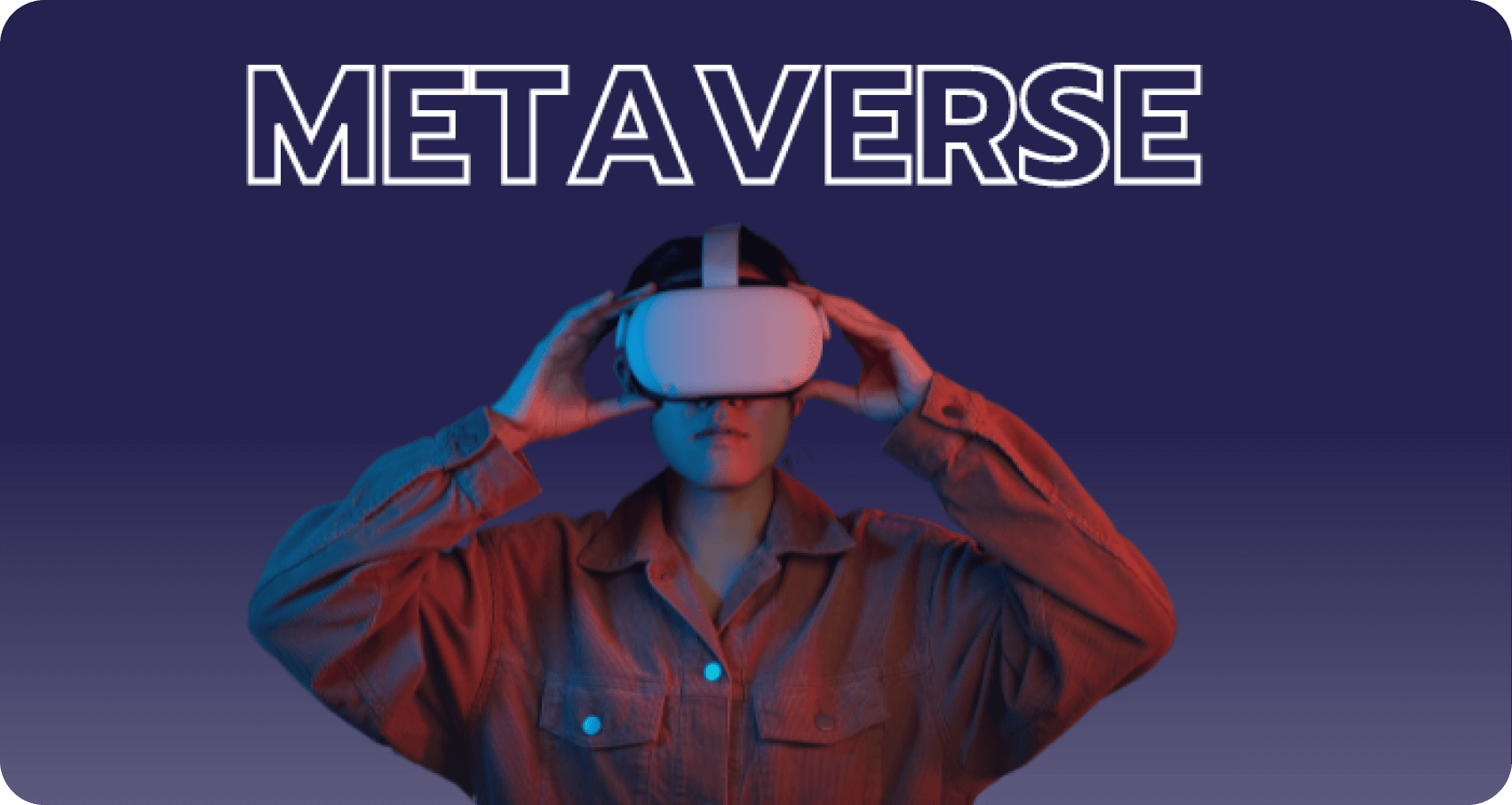
VR technology makes metaverse games even more exciting than before
One of the examples of VR metaverse games are Horizon Worlds and Somnium Space. Horizon Worlds offers players a wide virtual environment for exploration, creation, and socializing in virtual hangouts. Meanwhile, Somnium Space not only offers a virtual 3D environment but also adds blockchain technology, allowing players to earn income through asset trade.
Shaping the Future of Gaming with Best Virtual World Games
The development of popular metaverse games, including Decentraland, The Sandbox, and Axie Infinity, denotes that the gaming world is changing rapidly. In fact, such games provide users not only with the extremely entertaining experience of owning digital assets but also grant them the opportunity to engage in the creation of unique worlds and participate in the development of the virtual economy. For a closer look at the most promising titles, check out our list of top NFT games to see which ones are shaping the industry’s future.
As a result, popular metaverse games continue to influence the industry, showing other developers what the future of gaming should look like. Often, it is a combination of creativity, community, and commerce that were thought to be beyond realization not long ago.
Community and Social Interaction in Metaverse Games
The community aspect is a vital feature in metaverse games, where social interaction is not an additional feature of the experience but a central component. Players can talk to people, work with other players towards a shared end, and create social links that extend beyond the context of the game.
More specifically, digital worlds encourage collaboration as the players’ goals are collective, involving a range of shared skills and experiences that require cooperation and communication. Thus, whether building a virtual city or engaging in giant battles or mythical creatures, the social dynamics of NFT metaverse games are more intricate and engaging than those of traditional games.
These games also create a sense of belonging, as players can join communities, attend virtual events, and participate in social activities that mirror real-life interactions. The ability to form and maintain social connections in a virtual world adds a layer of depth to the gaming in the metaverse experience, making it more than just a pastime but a social platform.
Pro Tip: If you want to fully enjoy your gaming in the metaverse experience, join the community forums or social media groups that revolve around your new platform. There you will find the news about hidden features, discover exclusive events, and even find ways to collaborate. Additionally, consider purchasing a VR headset if your chosen metaverse platform supports it. It will greatly enhance your immersion and help your reality feel more like that of the metaverse VR games or metaverse you will be interacting with.
Future of Metaverse Games 2026 and Beyond
The future of metaverse gaming is destined to be even more exciting than it is now due to the constantly advancing technologies. Here are some trends and innovations that will presumably happen:
Artificial Intelligence (AI): AI will take the main stage in creating more immersive and responsive metaverse worlds. AI-generated NPCs and procedurally created environments will make metaverse games even more realistic.
5G and Advanced Networking: Thanks to the development of 5G networks, latency will become much lower, making metaverse games more accessible and responsive. With faster and more stable connections, virtually every player will be able to interact with others in real-time since metaverse games have no limitations that the current network technologies have.
Advanced VR/AR Hardware: There is no question that VR and AR hardware will continue developing, providing users with even more immersive experiences. Lighter and more comfortable headsets, in combination with haptic feedback and other sensory devices, will make metaverse games even more realistic.
Blockchain and Decentralization: Blockchain is undoubtedly the technology that will continue propelling metaverse games. Thanks to the technology, digital assets will be truly ownable, and the metaverse will be associated with decentralized economies and player empowerment.
With the development of the above-mentioned technologies, metaverse games will become more than just games. They will be ingrained into every aspect of our lives, starting with entertainment and ending with integration with our social life, work, shopping, and learning. At the same time, they will blur the lines between what is real and what is virtual. To understand the role of different components within these systems, exploring the essential blockchain ecosystem components can provide valuable insights.
Conclusion
Metaverse games are not just a trend, they are a glimpse into the future of gaming and digital interaction. The top 15 metaverse games 2026 represent the cutting edge of this evolving industry, offering players new ways to engage, create, and interact in metaverse worlds. As technology continues to advance, the potential of metaverse games will only grow, opening up new possibilities for what gaming can be.
Whether you’re a gamer, a developer, or simply someone interested in the future of digital technology, the metaverse is a space worth exploring. The games listed in this article are just the beginning of what promises to be an exciting journey into the future of virtual reality.
Fgfactory Expertise
Our company specializes in developing and creating innovative and immersive metaverse games that redefine what can be achieved in virtual worlds, as far as they are really far from being actual. We focus on producing high-quality games that provide players with engaging, social, and economically beneficial experiences.
Thus, when you want to penetrate the metaverse gaming industry or improve your game, we are here to assist. Feel free to contact us and tell us more about your project, and we will tell you what we can do to help you achieve better outcomes.


 Loading...