Game Development Services

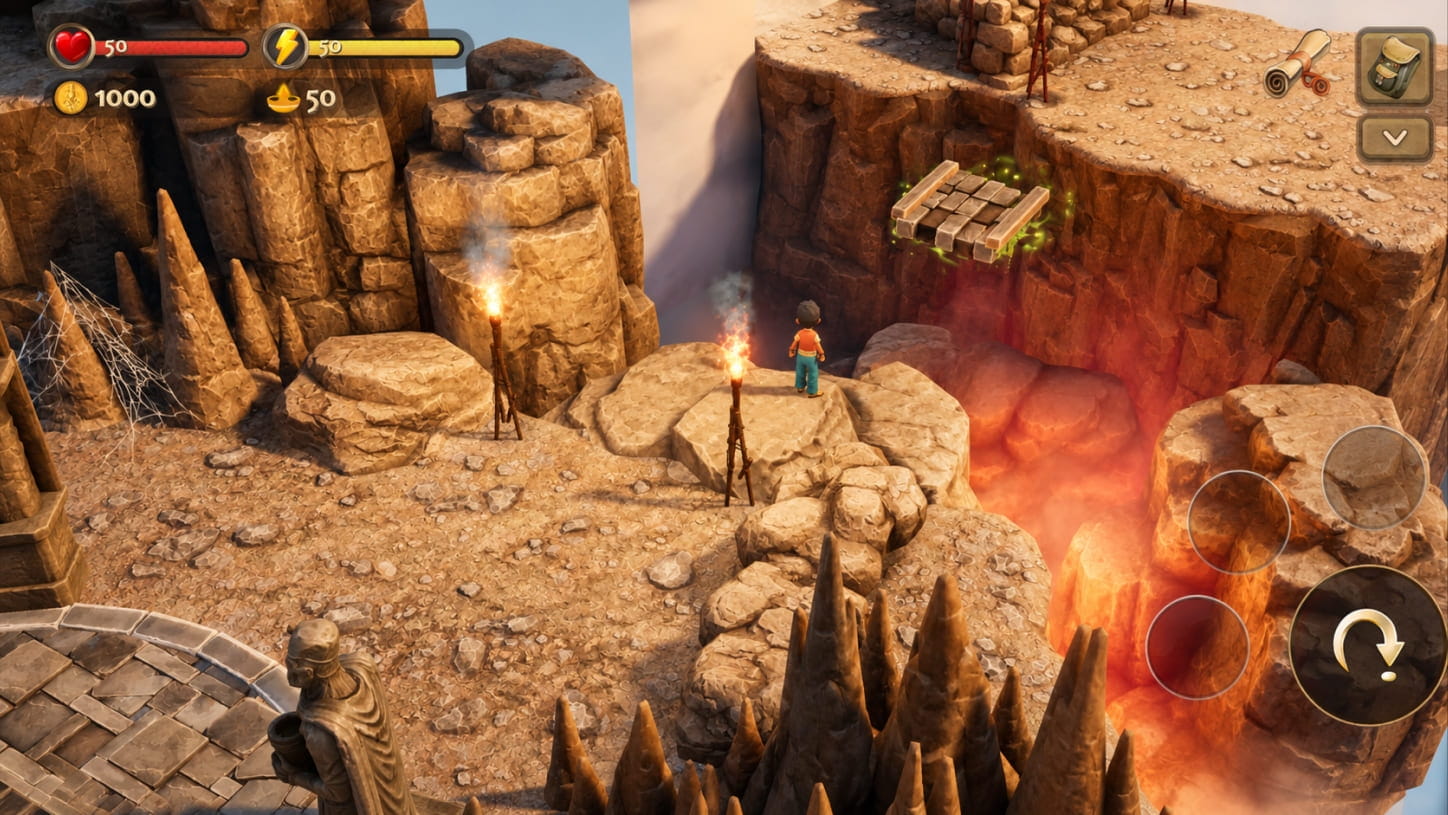
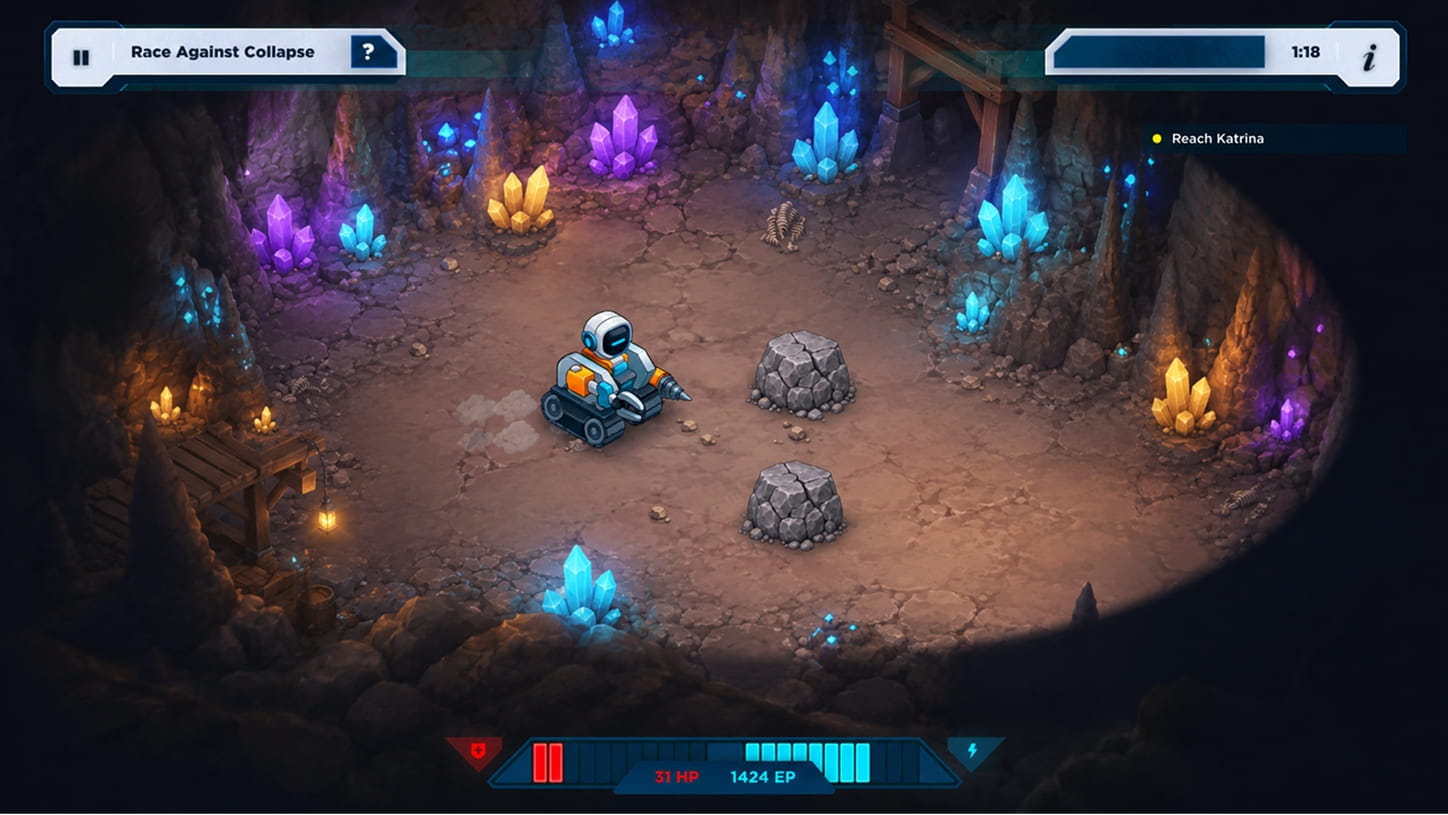
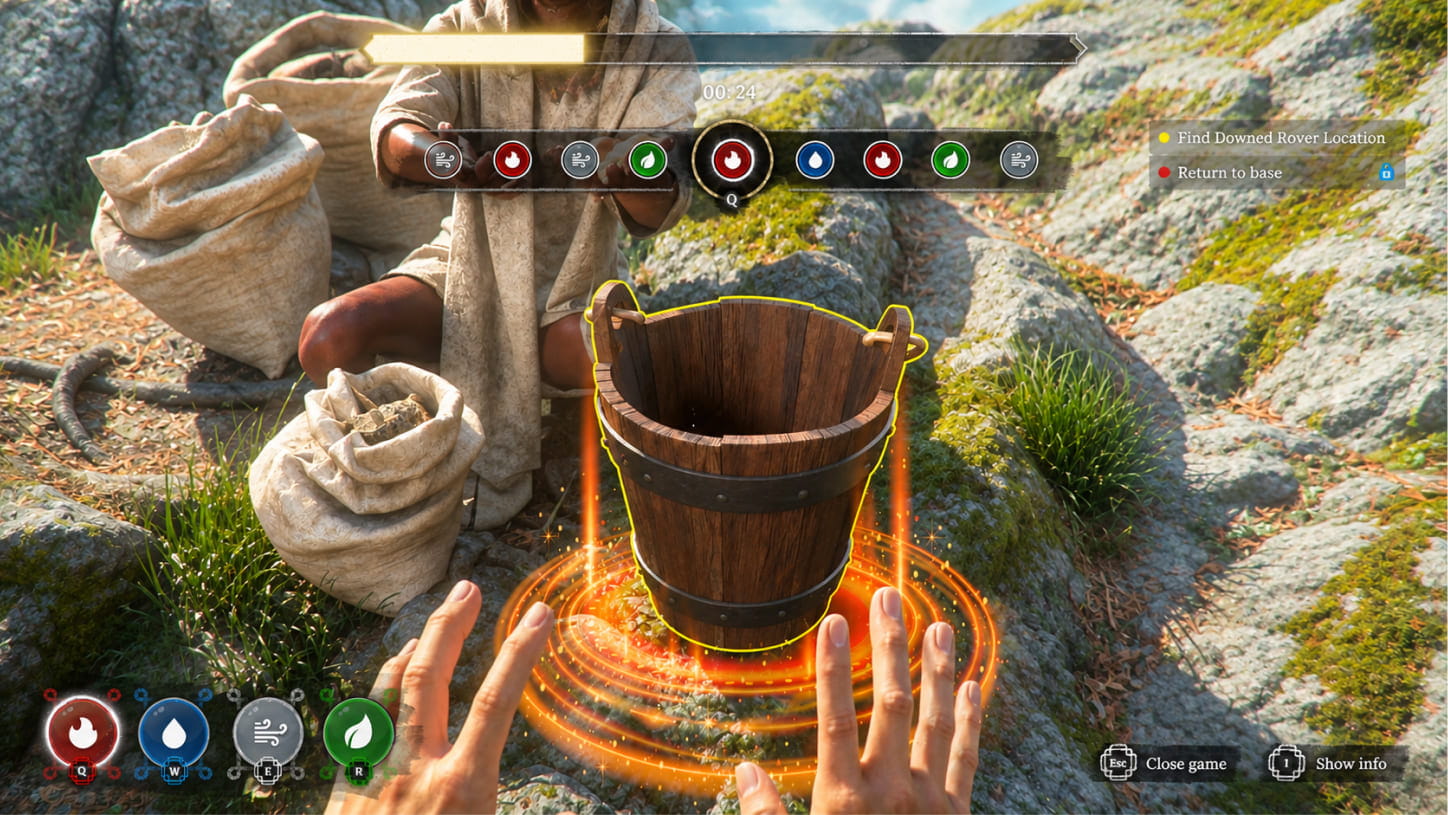
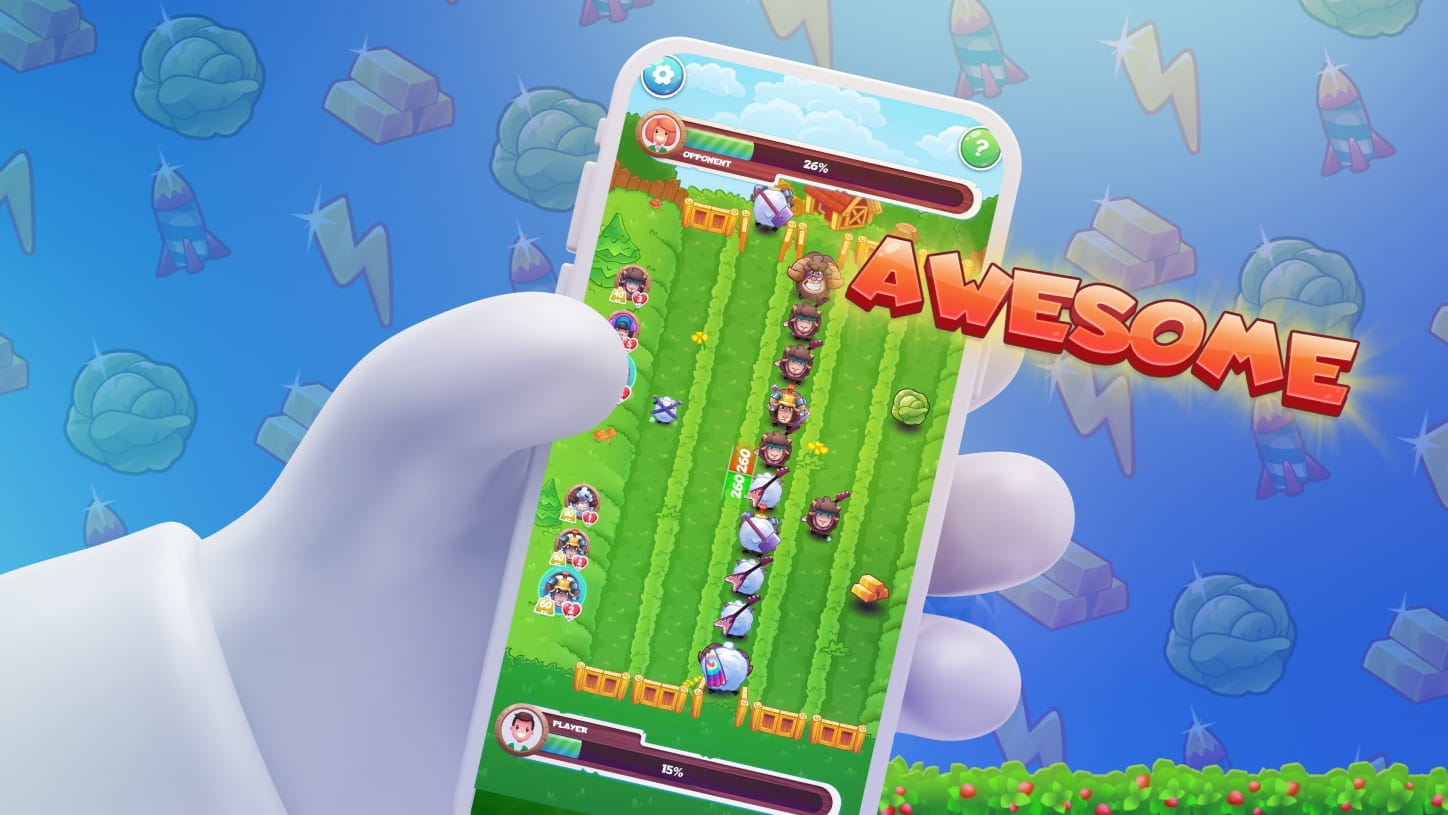
Development services for mobile, web, desktop games and gamified experiences full-cycle production within various industries and niches.

Key Offerings

Platform-wide Coverage

Fgfactory is a premier game development company dedicated to turning your vision into reality. That's what full cycle game development services means in practice: one team, one standard of work, from your first idea to launch and beyond.

Featured

Featured Case Studies

We value the trust of our clients and partners and the opportunity to be part of such special projects, which include examples from various niches of the gaming industry, as well as products from other industries.

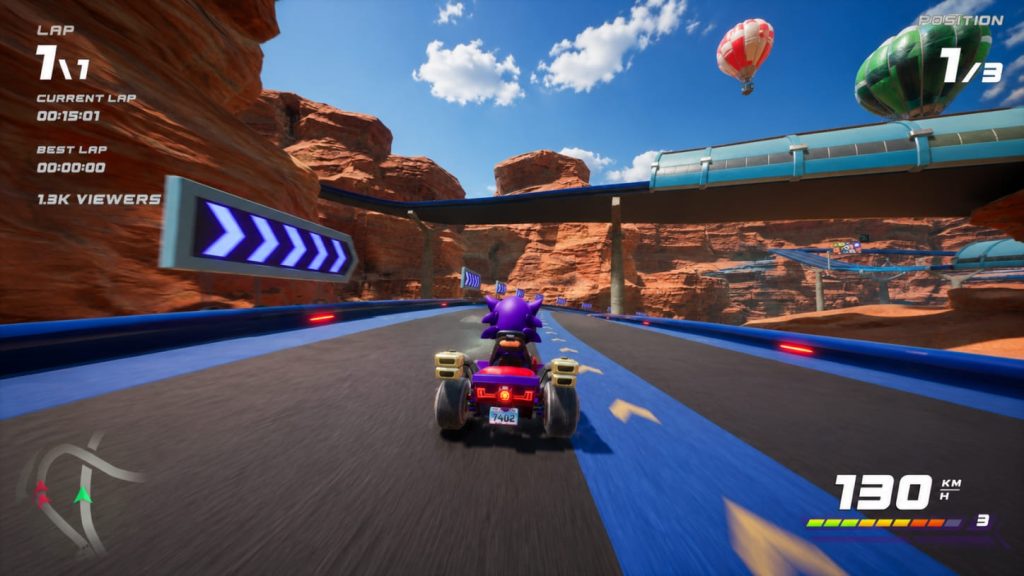
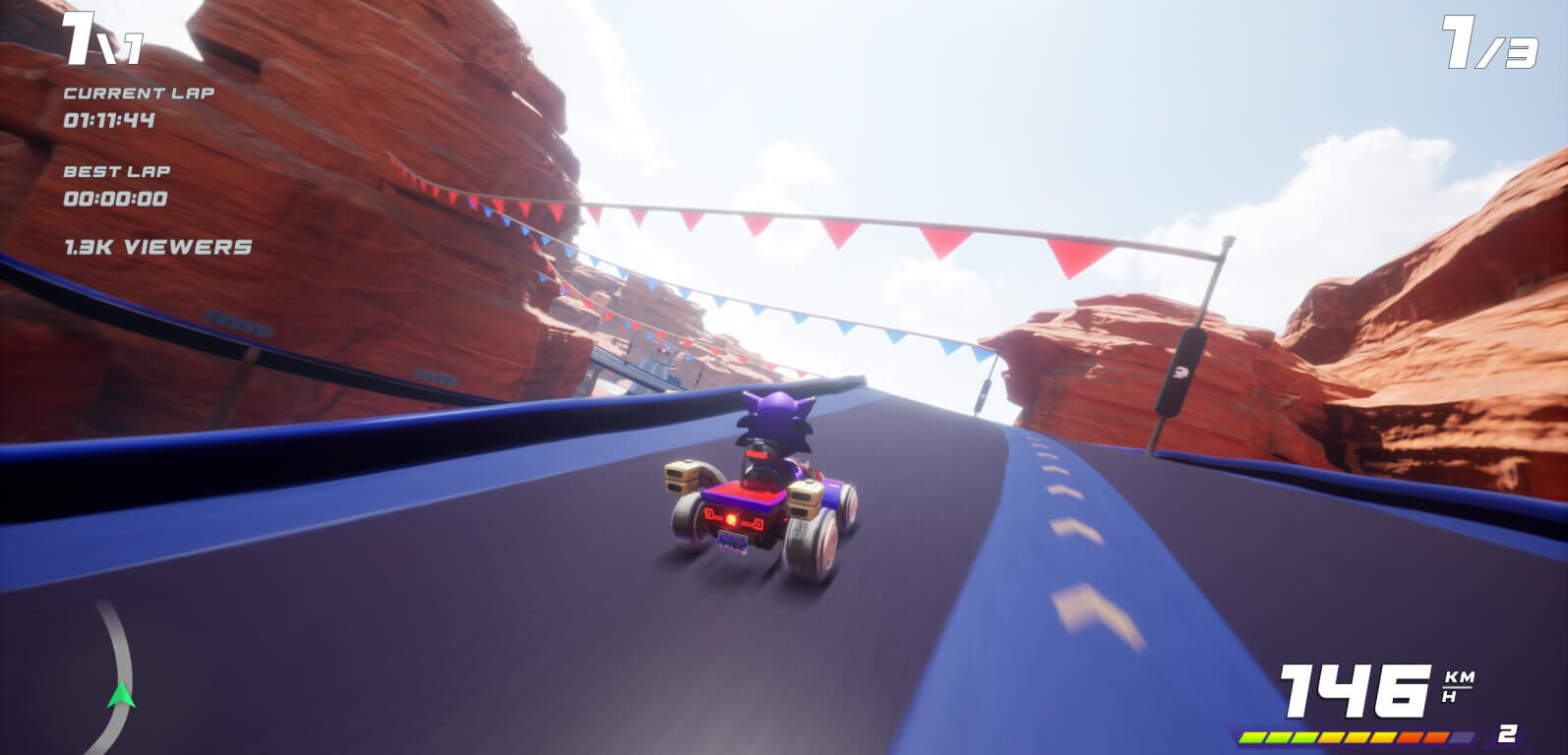
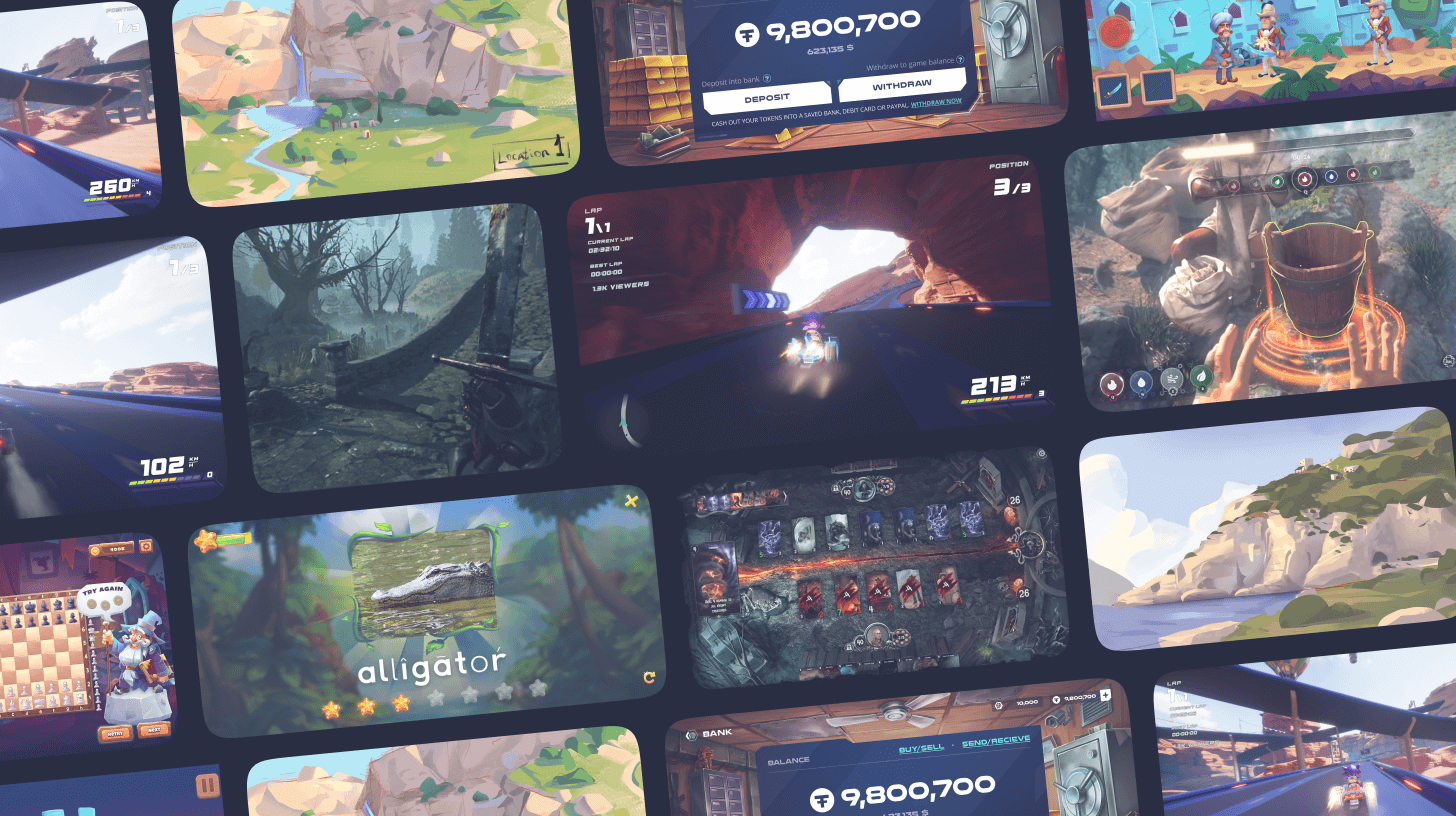
Racing Multiplayer Game and Ecosystem Built on Unreal Engine 5 - Racer Club

Racing Multiplayer Game and Ecosystem Built on Unreal Engine 5 - Racer Club

The project included the full production pipeline of the 3d character from scratch to the integration into a game engine.

We handled all production stages including concept art, 3d modeling, texturing, poly-count optimization, rig and further animation.

Check the case study
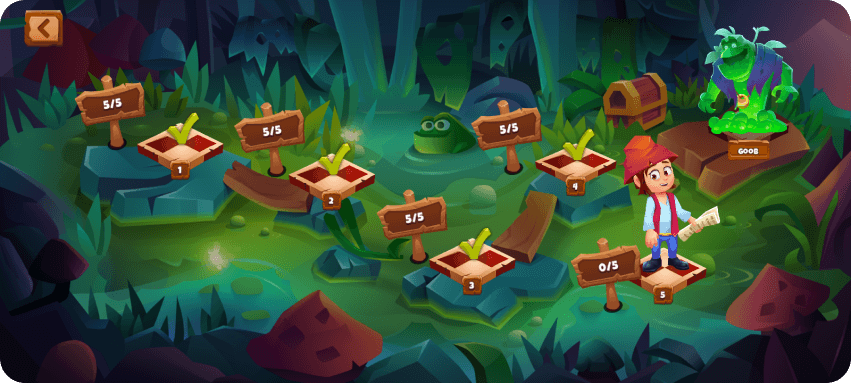
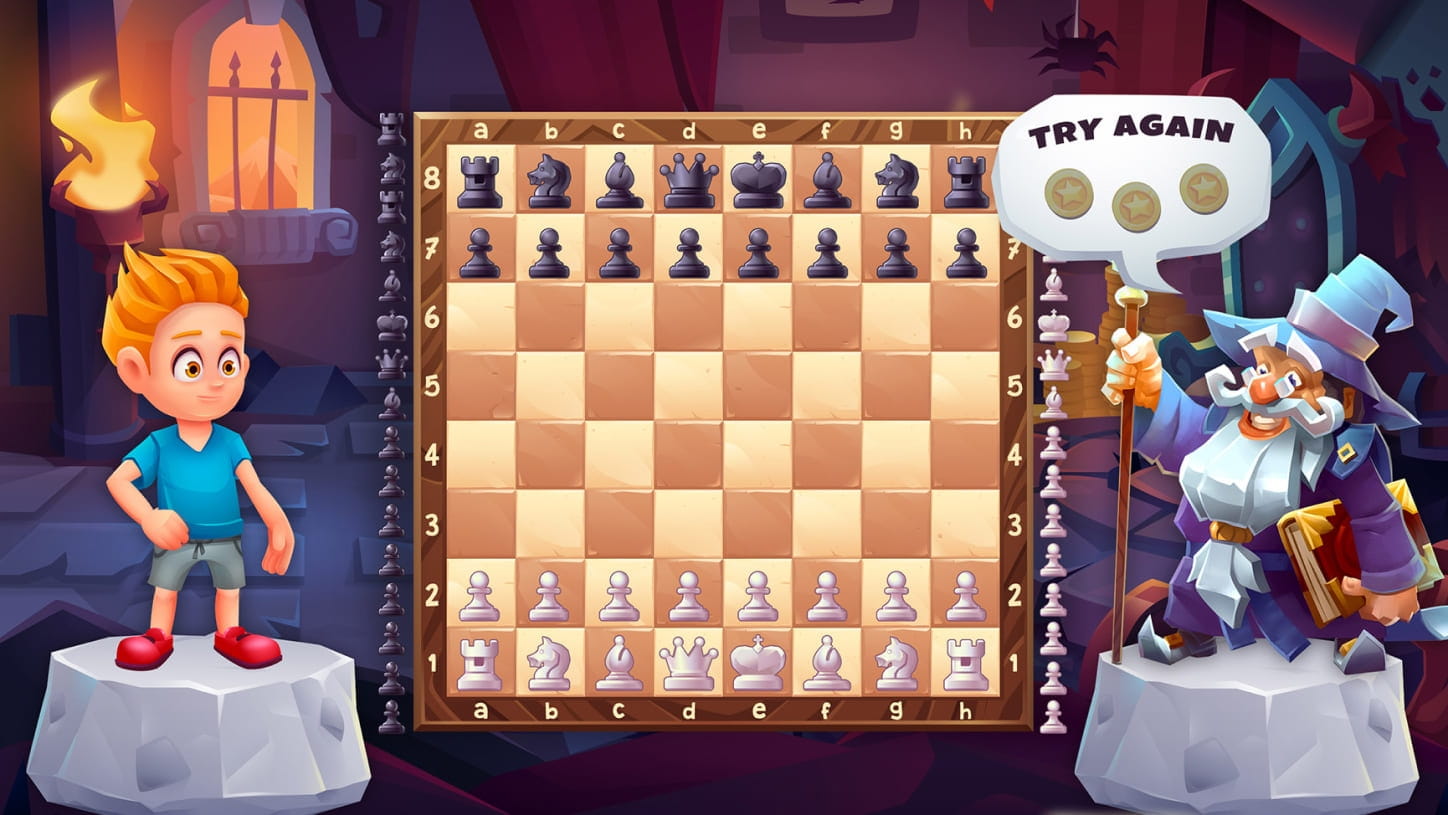
Full-cycle Development - Chess Adventure for Kids

Full-cycle Development - Chess Adventure for Kids

Chess game for kids with a great gamification side to make the chess learning process interesting and addictive for kids.

Fgfactory handled the full process of creating the game from scratch to release on markets for iOS and Android.

Check the case study
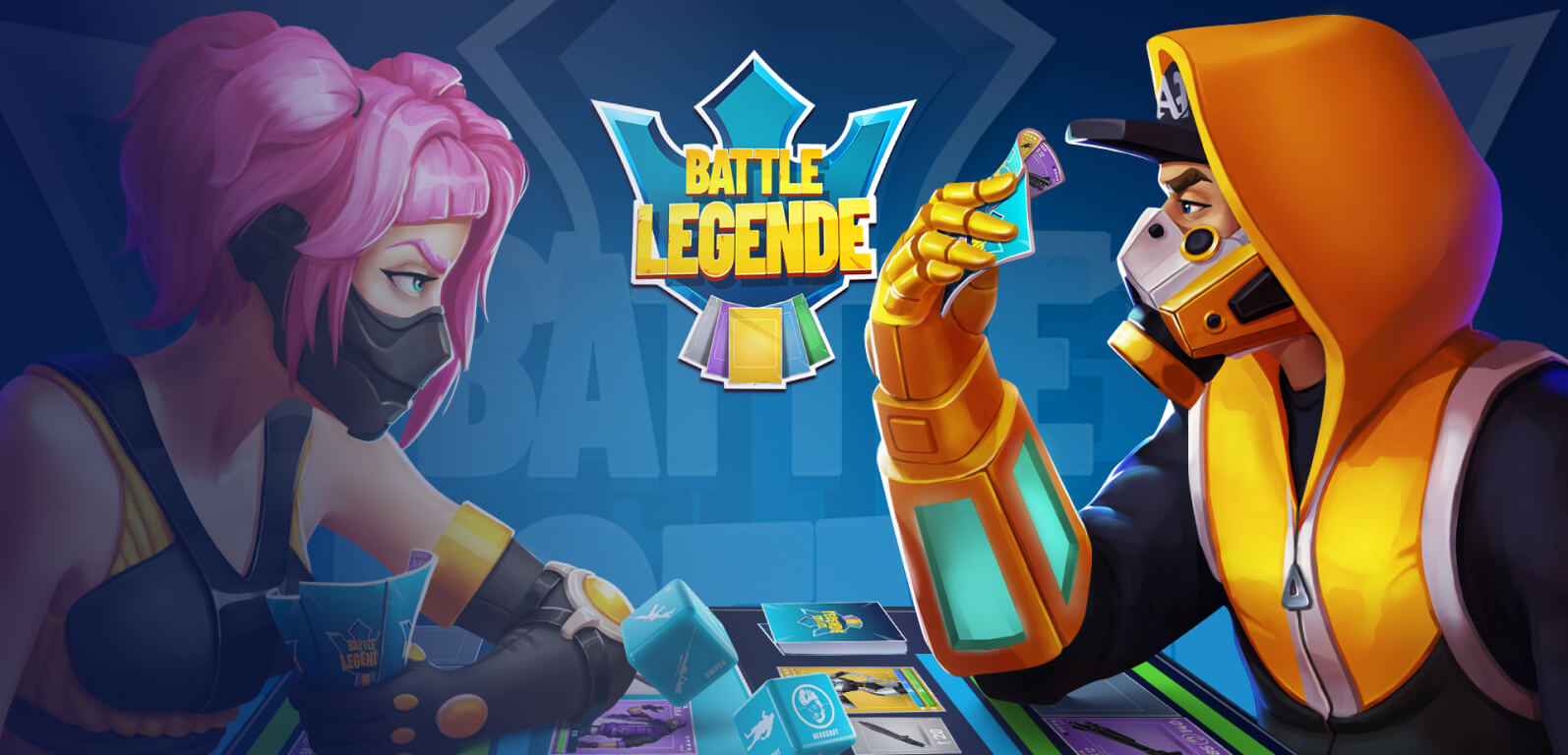
Battle Cards Game Development - Battle Legende

Battle Cards Game Development - Battle Legende

Battle Legende is a real-time multiplayer strategy card game based on an FPS universe. Experience this unique gameplay and compete against players from all over the world in real-time 1v1 battles!

The game was built with Unity, Photon and Firebase and published in iOS and Android markets.

Check the case study

Discover more projects

Game Development Case Studies

Fgfactory has completed over 500 projects over its 16+ years of practice, and about 30% of them are full-cycle development projects from idea to launch. These are cross-platform mobile projects, games and applications for web browsers, interactive experiences for desktop computers and large screens, and many others.

View more case studies
Dark Country

Desktop

Dark Country

Our team was responsible for building both front-end gameplay developed with Unity, back-end side, and real-time multiplayer.

All Services

Custom Game development services

Fgfactory is a full-cycle game development company delivering projects across mobile, web browsers, and desktop platforms. Our expertise covers Casual, Hyper Casual, and Hybrid Casual games, NFT and Metaverse games, Casino, Bingo, Card, and Slot games, as well as Gamification for Education, Marketing, User Engagement, and Corporate training.

Mobile game development for various industries and business niches

The distinctive features of mobile games development are primarily determined by the specifics of the user experience, certain requirements for hardware limitations, and a huge variety of devices on which mobile games are launched.

Discover more

Next Generation Web-based and Browser Game Development

Web browser projects require full-stack development, including both the frontend component with which the user interacts, and the backend component responsible for the server, database, business logic, security and availability of the product. Fgfactory team covers the full cycle of browser game development.

Discover more

Desktop Game Development Services from Concept to Launch

Desktop games demand stronger visuals, complex worlds and game mechanics. Our desktop game development services focus on creating competitive, complex, high-performing projects using Unreal Engine and Unity.

Discover more

Full-cycle Hyper Casual and Hybrid Casual Game Development

Casual game development requires simple yet engaging mechanics, clear visuals, and instant player appeal. We create hyper, classic, and hybrid casual games, handling gameplay and 2D/3D art in-house to maximize retention from day one.

Discover more

Educational Games and Gamified Solutions Development

We build educational games and gamified solutions for the full range of clients in this space: children's learning platforms, adult education tools, corporate training systems, and professional skills development. We develop from scratch or integrate game mechanics into existing products, focusing on solving complex challenges efficiently.

Discover more

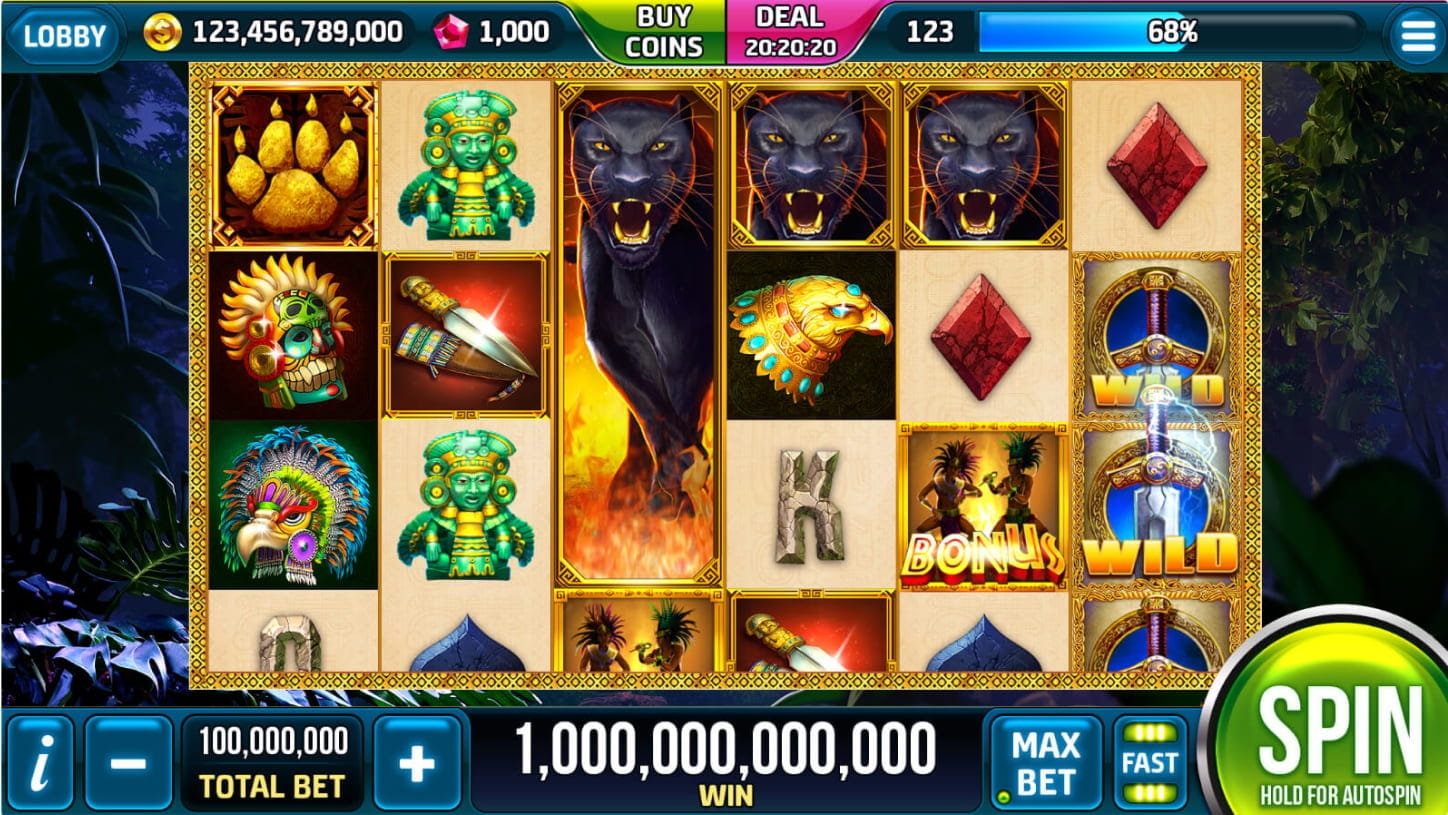
End-to-end Slot and Casino Games for Mobile and Web Platforms

Our casino game development services focuses on creating slot, bingo and card games for mobile and web. We deliver full-cycle production, including 2D/3D art, animation, and development using Unity, Unreal Engine and modern web technologies, along with secure server solutions for fair play and cross-device access.

Discover more

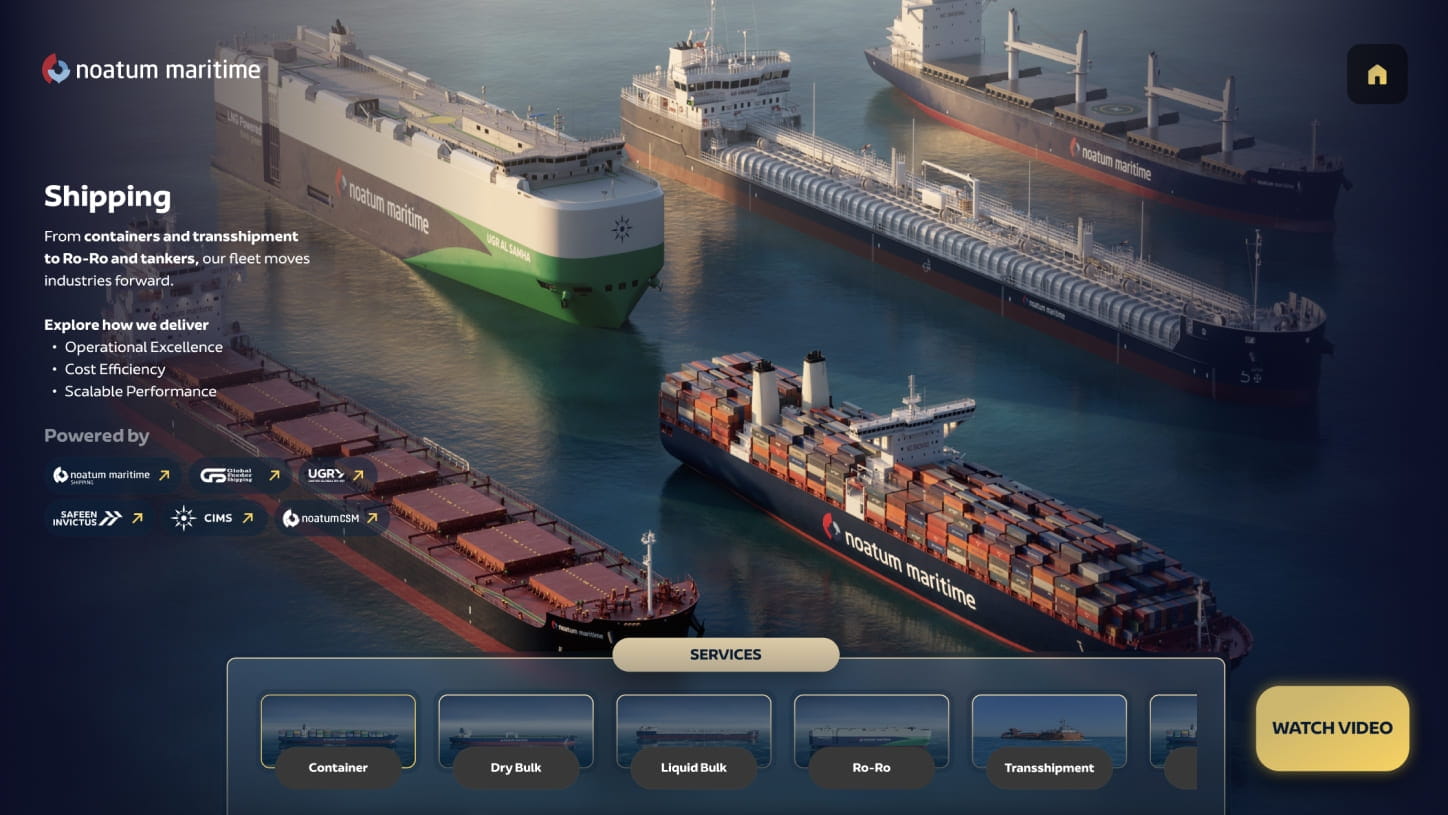
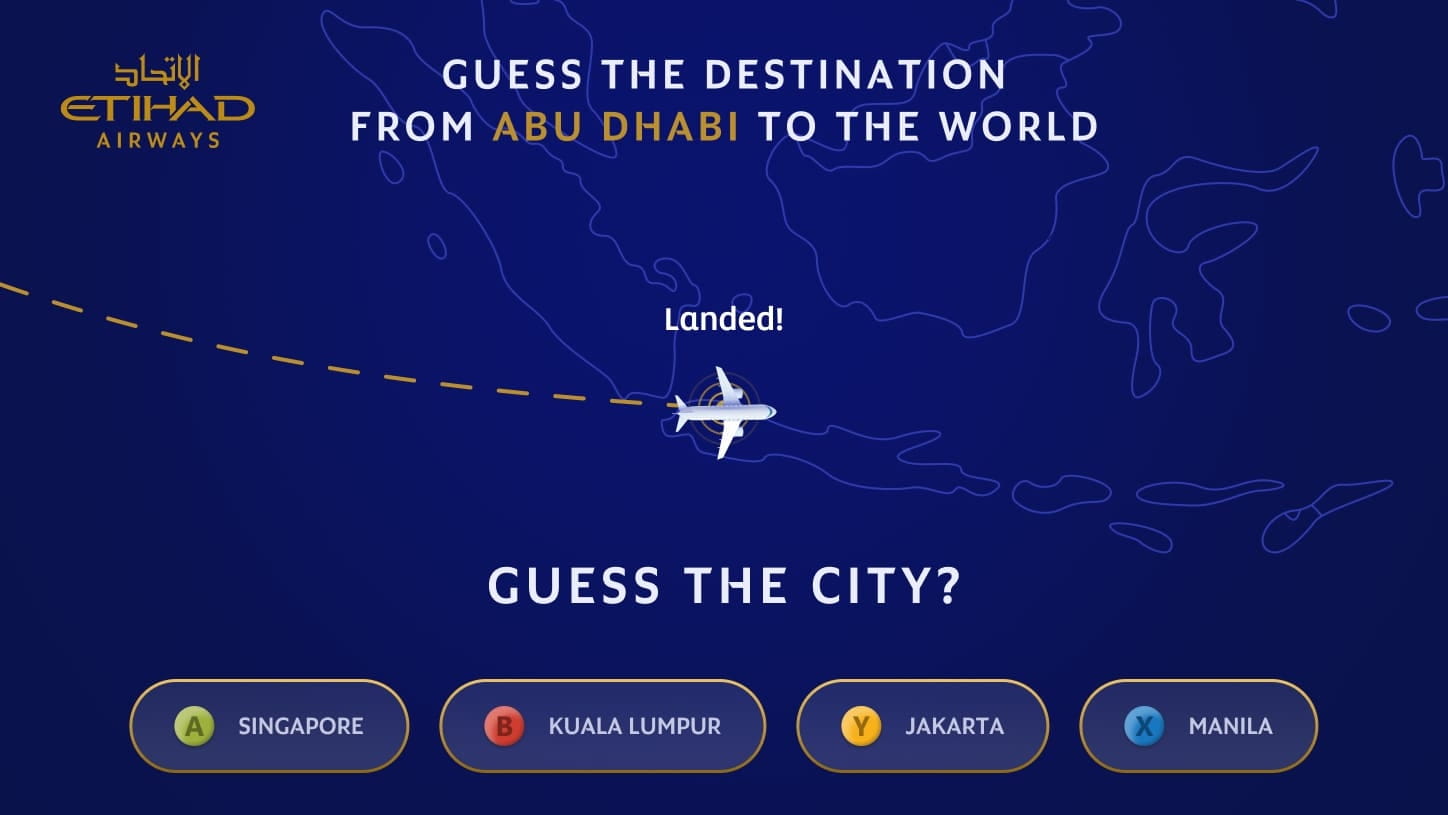
Marketing Games Development for Brands and Agencies

We create marketing games for brands and agencies across various formats and campaign goals. Unlike standard campaigns, a well-designed promotional game holds attention, captures first-party data, and drives repeat engagement.

Discover more

Deep experience in gamified solutions development for multiple industries

Our gamified solution development covers digital marketing campaigns, branded games, corporate engagement and employee motivation tools, interactive exhibition and live event solutions, educational applications, business and technical simulations, and corporate entertainment products.

Discover more

Tech and platforms

Targeted Expertise

Depending on the business goals of the project, the target audience, specialized restrictions, and requirements, our game development agency selects the most suitable tech stack for product development or gives recommendations regarding the already selected tech stack.

Game Engines

Unity

Mobile and web game development using Unity engine for developers, publishers and enterprises.

JS, PixiJS, ThreeJS

Web browser game development based on HTML5 and JS technical stack.

Game Types

2D Games

Development of games that use 2D graphics and animation as assets for gameplay.

3D Games

Development of games using 3D graphics, animations, and VFX for various game engines.

Platforms

iOS Games

Creation and deployment of games on iOS platform and all related devices including phones and tablets.

Android Games

Development of games for the Android platform and all related devices, including phones, tablets, Smart TVs, and more.

Backend Infrastructure

AWS

A custom solution depends on requirements and goals. Among the technologies Fgfactory uses for a custom backend are ASP.NET, NodeJS, PHP and Laravel, MySQL, SQLite, PostgreSQL, MongoDB, AWS etc. Further requirements are discussed personally.

Firebase

Any multiplayer solution requires a database to store users, actions, statistics and interactions. Firebase is used in conjunction with Unity and other cross-platform technologies so that users have access to their data from any device.

Production Stages

Engineering with Fidelity

Game project development stages are the key steps that most projects in our game development studio go through from start to finish and beyond. All departments of the company take part in game development pipeline, concept art creation, designing game art and animation, coding, testing, and management.

Stage 1

Evaluation

Overview and analysis, Scope estimation

The initial stage is the study and analysis of the materials provided, clarification of details and collection of missing information. The more complete the picture is formed at the first stage, the more accurate the assessment of the work will be and the more correctly the next stage of planning will be performed.

Enhanced

5x

Faster AI-powered evaluation

Secured

100%

Confidential

Stage 2

Planning

Team setup, Timeline planning

Planning is the key second stage that provides an understanding of where the project is in time, when it will start, when certain development parts will start and end, what will happen after release. We use Agile methods to ensure the flexibility of development. This allows us to adapt to all sorts of external factors and quickly respond to changes.

Stage 3

Pre-production

MVP development, Project discovery

Pre-production is preparation for the marathon. It includes the creation of a cut-down version of the project MVP or the creation of a knowledge base and assets discovery. Our team creates the foundation and prepares a set of necessary assets and tools that will be useful during the production stage.

Stage 4

Production

Design, Development

The main and usually the longest stage of game project development, which includes design, animation and integration of visual assets, development of game logic and interfaces, building of server architecture, databases, multiplayer and other technical components. This stage is divided into smaller iterations for correct management, tracking of progress and results. We use Agile development methodologies for flexible movement, which allows us to make adjustments during the work process and not experience stress from changes.

Stage 5

Testing

Compatibility, Performance

Throughout the production stage, testing of functionality, user flow quality and game mechanics, and how graphics and user interface are integrated are carried out. In addition, after completion of the production stage, a comprehensive product QA is carried out again to finalize and approve the results. At this stage, compatibility, performance, and other KPIs of the final product are checked.

Stage 6

Launch

Product deployment, Source code delivery

Complex technical solutions require the participation of engineering and design teams to ensure a smooth and painless launch of the product on target platforms and devices, correct deployment of the back-end part to servers, as well as preparation and upload of the necessary visual materials. All source files of the program code and graphic assets are provided if the project ends at this stage.

Stage 7

Post-production

Additional improvements, Version update

Post-production or post-release support is usually aimed at improving the first version of the released product. By this point, the product usually already has the first feedback from the end user. Therefore, at this stage, the project team provides the necessary actions to improve the product, conducts an additional round of testing and adds the necessary updates.

Stage 8

Maintenance

Ongoing support, Live Ops

If the product continues to develop, then our game design studio provides support and creates updates to the product on an ongoing basis. A separate team is assigned to the project to provide technical, game design and visual support for the product. The peculiarity of this stage is the implementation of actions to collect and analyze user data for the correct planning of changes, adding new content or eliminating existing issues.

The future of workflow

How do you know if we are the right choice?

To understand how well the Fgfactory team is suited to work on your game development project, it is enough to take a few simple steps. Do not hesitate to write to us so that we can discuss your requirements and understand how much our game development services can help you with reaching your business goals.

Request the call with our technical, art lead or product manager

During the call with our specialist, you will ask questions about your project and methods for solving technical and business issues. Our team will give detailed comments and later provide recommendations on visual and technical implementation. This basis will help you understand if Fgfactory specialists understand your project and its goals.

Receive the fully detailed project evaluation with the development plan

We provide a project estimate and project plan after discussing the project details and receiving all the necessary data. With this information, you can understand how our vision of the project matches yours within the budget and deadlines.

Request for feedback from past client with relevant projects

You can request recommendations from past clients about their experience working with our team on similar projects. Such feedback will help you make a decision regarding the choice of a vendor for your project and be sure that Fgfactory is your right choice.

Start with a quick expert review

We'll assess your idea and outline the smartest way forward.

Get in touch

Blog

Latest Updates and News

Events, press highlights & our thoughts about game industry, code & design.

Discover the blog
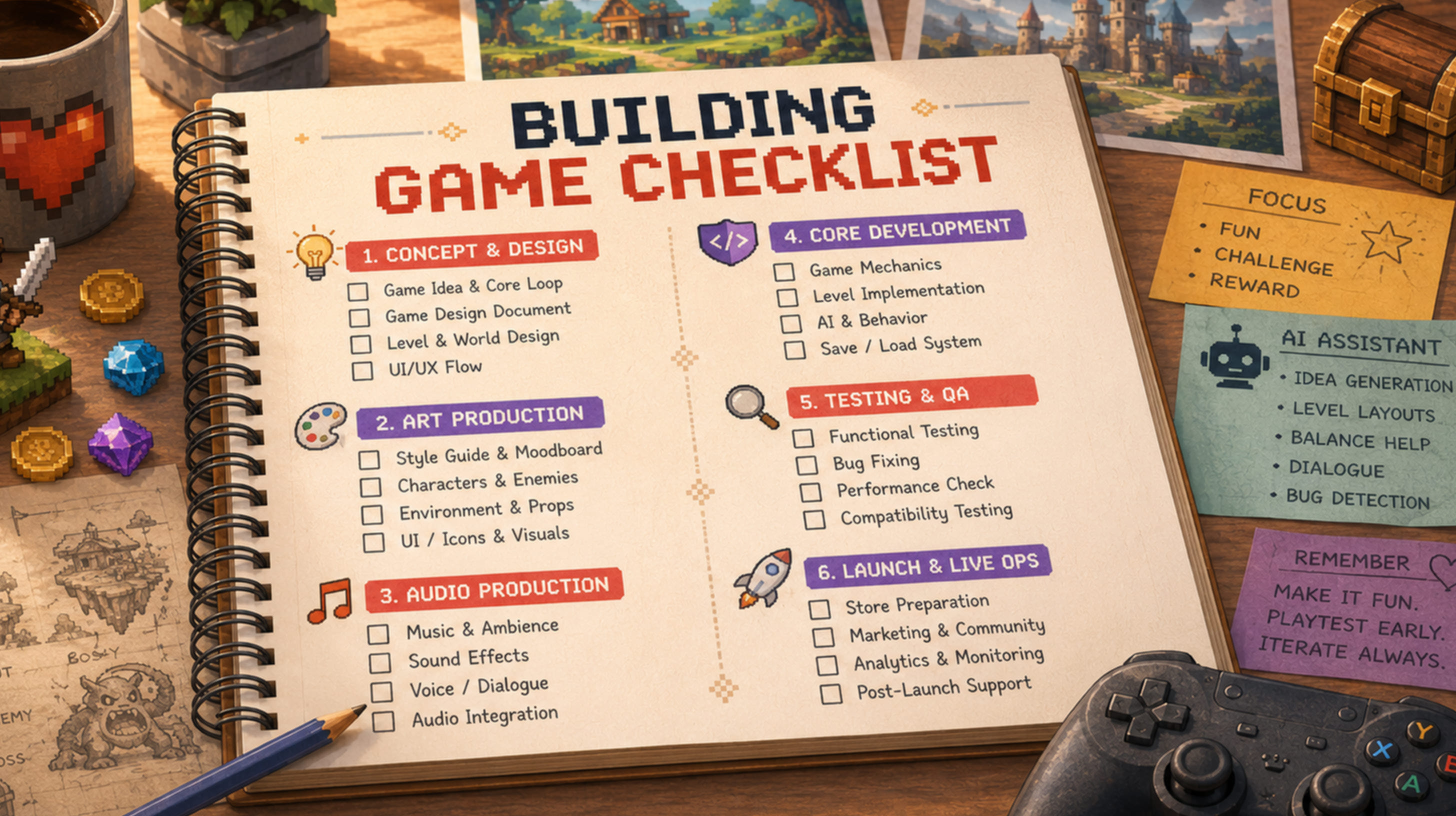
Building Game Checklist

Building a Game Checklist

Before building the game you should answers yourself the list of most important questions. Decide on the key concepts, core gameplay elements, monetization. Explore how AI can be added to make the whole process more efficient and faster.

FAQ

Knowledge Base

We've collected the most common questions our team has encountered over the past years of working in the gaming industry. We are ready to answer additional questions. Just write us a message.

Questions

Need a Custom Solution?

Direct access to our senior engineering or art squad for consultation

Connect now

Game development services are provided by video game development company such as Fgfactory, which creates games or individual game components on request from other game developers, publishers, or other businesses.

Game development services include:

1. Game design - designing game mechanics, creating project documentation that includes a description of the technical and visual components of the project, detailing the user flow, describing business goals and methods for solving them.

2. 2D graphics - creating visual 2D assets (sprites) for further integration into the project. This includes any game assets used in the project, such as characters, locations, props, etc.

3. 3D graphics - creating 3D game assets for integration into game engines (Unity, Unreal Engine or others).

4. 2D or 3D animation - game assets can be animated if necessary. 2D assets are animated mainly using Spine; software such as Maya is used for the animation of 3D assets.

5. Programming - refers to the development of the front-end, back-end, databases, multiplayer, and other technical components of the gaming ecosystem.

6. QA - checking the product for errors, bugs, and inconsistencies with the original requirements, carried out via manual testing, automated testing, unit tests, and more.

7. Sound design - creating sound design, game soundtracks and effects.

8. Game project management - development planning, distribution of tasks between project team members, their subsequent synchronization, tracking implementation, and closure.

Game development stages are the sequential steps that each project goes through from the initial idea to the product implementation and its subsequent support and updates.

The typical game project development stages include:

1. Evaluation - studying source materials, references, competitors and goals. The result of this stage is the formation of an understanding of the scope of work, technical specifics and budget of the project.

2. Planning - distribution of the scope of work and construction of a project timeline to determine the sequence of implementation, stages of pre-production and production, and the timing of the project development.

3. Pre-production - a preparatory stage before full-fledged development, often includes more detailed planning before production, or the development of a cut-down version (MVP).

4. Production - includes technical and game design stages that are interconnected and aimed at implementing the project from the preparation stage to the final product. This is the longest stage, which is divided into intermediate iterations for the convenience of tracking results, making changes if necessary and gradual implementation.

5. Testing - the stage of checking the final project for compliance with the original requirements, performance, compatibility with target platforms and devices, user feedback and other criteria. There are many testing options, and each project has its own methods. However, the most common is manual testing of the product (carried out by QA testers), which includes creating test cases, manual testing, interaction with game developers to eliminate bugs.

6. Release - launching the final project on target platforms. Includes uploading the product to stores, and all related actions to ensure a successful release.

7. Post-release - as a rule, after launch, the product requires some improvements and bug fixes. This is due to the fact that the product has already been tested by a real audience, and more data appears on performance, user experience and shortcomings. This phase usually lasts from 1 to 3 months.

8. Support - subsequent support of the product, which includes the creation of updates, new content and functionality, and further development of the product.

The titles of the stages may differ in each video game development company, but the structure is generally the same for all full-cycle development projects.


If you are faced with the goal of developing a game for the first time, there are many issues that you need to solve. In short, these are ideas and concepts, market demand or unique innovation, technical implementation, budget and deadlines, promotion and support. All of these issues will need to be resolved.

But where to start? First of all, you should fully understand the general idea, details of the concept and business tasks that your game will solve. If your experience is related to the gaming industry, you can go through all the stages yourself or receive periodic consultations from specialists.

If your experience and expertise are in other, non-gaming, areas, you should contact specialists who will help with game design services to: structure, plan, assess the work and risks, implement from idea to release, promote and support your project.

The difference between these two options is time, cost and result. If you understand that you have enough time, are not ready to spend the budget and can achieve the result yourself, then you can move along the path of creating a game yourself. If you want to cut down on time, can afford to allocate a budget for a video game development company to complete all stages of development from idea to release and beyond, and want to get a first-class result, then you should find a team of specialists like Fgfactory who will take on the responsibility of turning your ideas into a product.

There are several ways to help you find a partner for game development. Most often, you will encounter them when working on your first game project, since in the future your contractor will be able to help you with the following projects. Therefore, it is worth paying attention to the search and selection of a future vendor.
In general, the main search methods include:

1. Google search. Most often, the search results will show you several suitable partners in your region. A further selection is separate steps and actions for selecting a game development agency. However, you will already have someone to choose from.

2. Search through specialized catalogs. Vendor aggregators such as Clutch.co and Goodfirms collect, sort, and publish companies in various areas and niches. Such websites provide vendors with tools to publish reviews of their past cases and customer feedback so that potential applicants can form their initial opinions after reading the published reviews.

3. Recommendations. Another way to choose a future contractor is to get a recommendation about a proven supplier from your contacts. As a rule, your contact will be able to recommend a contractor if the previous experience of working with him was positive and successful.

The cost of game development services varies and depends on a large number of variables. In addition, without a detailed study of the project details, technical and visual requirements, and the amount of work, it is impossible to answer the question about the cost accurately. It is more realistic to provide information about the price range for custom game development. Here you should answer two key questions:

1. What similar games do you know? If you can show a similar game, the contractor team will be able to roughly estimate the cost of creating a similar game from scratch. In addition, by adding information about the differences or certain references from other games, you can better detail your requirements and thereby get a more accurate cost estimate.

2. Are you planning to work with a local team or are you ready to hire a remote team? The cost of labor in different markets varies, so the cost of game development services will also be different. Moreover, depending on the geography of game development companies, it can vary significantly. If you are ready to work with a remote team, you have more options to choose the right team for an acceptable cost.

In general, game projects are divided by budget into small, medium, large, and triple-A. This division is very arbitrary, and the boundaries between types are often erased, but a very rough division by budget is:

- Small: 20,000 - 50,000 USD
- Medium: 50,000 - 250,000 USD
- Large: 250,000 - 1,000,000 USD
- AAA: 1+ million USD

Start the dialog

Let's Build
Something Amazing
Together

From immersive games to highly secured software, we architect digital experiences that scale.

    The information you provide won't be accessible to anyone besides your dedicated manager. It is protected through our standard Non Disclosure Agreement.

    Recognised by Top Platforms

    • Top Clutch Software Developers Gaming Australia 2024

      Top Software Developers

    • DesignRush verified design agency

      Verified Design Agency

    • Trusted on Tech Behemoths

      Trusted Tech Provider