Android Game Development Services

Fgfactory is a game development company with 500+ shipped projects. Our team of Android game developers creates games for phones, tablets, and TV, offering design, build, launch, and full support.

All Services

Android Game & App Development

Fgfactory has worked as an Android game development company for over 16 years, which is long enough to remember when Google Play was still the Android Market. We build native and cross-platform games, and we're just as comfortable joining a live project when you need a few professionals to support what you already have going.

  • Full-Cycle Android Game Development

    Full-Cycle Android Games

    Once you bring the idea, our Android game development studio is ready to get in and do the rest. Just one team covers game design, art, code, QA, and Google Play release, so the same people work to deliver your project during the build and after launch.

    Discover more
  • Cross-Platform Android Games Development

    Cross-Platform Games

    It is never only Android, because most clients eventually want their game on other platforms, too. As an Android game development company working mainly in Unity, we structure projects so one codebase ships for Android as well as additional platforms. Thus, you have to maintain a single game instead of two, and updates reach all players at once.

    Discover more
  • Mobile Android Games Development

    Mobile Android Games

    Game development for Android means dealing with thousands of different devices, and we think about that early. Our team tunes layouts, controls, and performance per screen class including foldables, where the game has to survive a mid-session switch between cover screen and inner display.

    Discover more
  • Big-Screen Android Games Development

    Big-Screen Android Games

    Android is more than only phones, and each big-screen format has its own rules you have to get along with. We adapt games for tablets, Android TV, and Chromebooks: remote and gamepad input, larger UI layouts, keyboard support, and Google Play requirements specific to each device category.

    Discover more
  • 2D and 3D Android Games Development

    2D / 3D Android Games

    Android hardware has an insane range between $80 budget phones and flagship devices with desktop-class chips. And yes, your game should run on all of them. We set graphics tiers, compress textures, and manage draw calls so frame rates hold on weak GPUs, and of course make sure flagships get the full picture.

    Discover more
01

QA and Testing

QA and Device-lab Testing Across the Android Fragmentation Matrix

Fragmentation is the hard part of Android, and simulators will never show the whole story. Our QA engineers run builds on real devices across manufacturers, OS versions, screen sizes, and GPU tiers, logging every issue with reproduction steps.

02

Game Porting

Bring an existing game to Android without losing performance or quality.

Already have a game on iOS, web, or desktop? We port it to Android while keeping gameplay, visuals, and frame rates intact. We are adapting touch controls, input handling, and store requirements, and tuning the build across the full range of Android GPUs and screen sizes.

03

Release on Google Play

Full Google Play submission with listing, builds, ratings and a staged rollout.

We handle the whole Google Play release: store listing, signed builds, data-safety forms, content ratings, and a staged rollout, then work through any review feedback. Your game goes live without you having to wrestle with the Google requirement yourself.

04

Maintenance

Post-launch support: crash monitoring, fixes and compatibility updates.

After the launch, keeping your game healthy is crucial. We are monitoring performance and crashes, fixing bugs, and adding necessary updates for every new Android version and device generation, so your ratings hold and your players stay.

Mechanics & genres

Multiple Game Mechanics and Genres

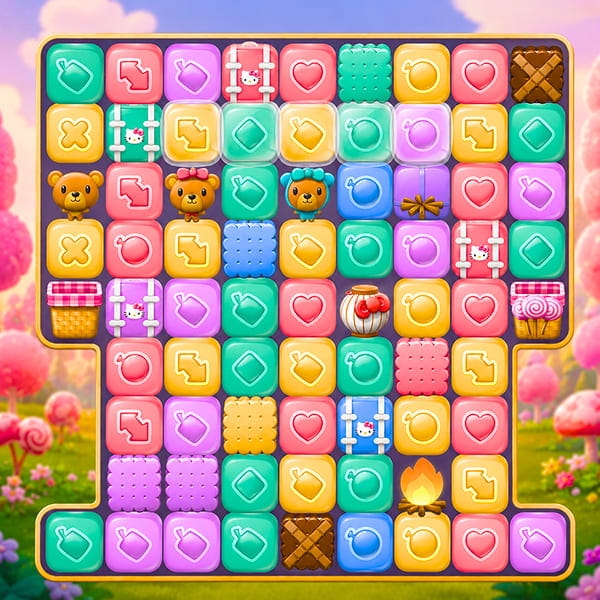
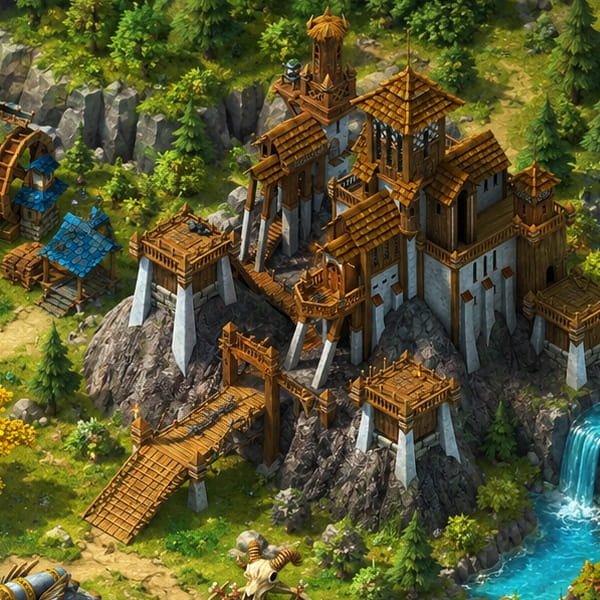
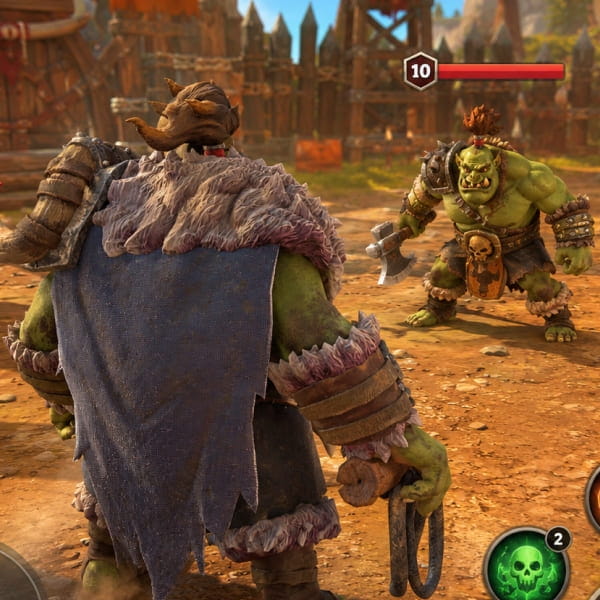
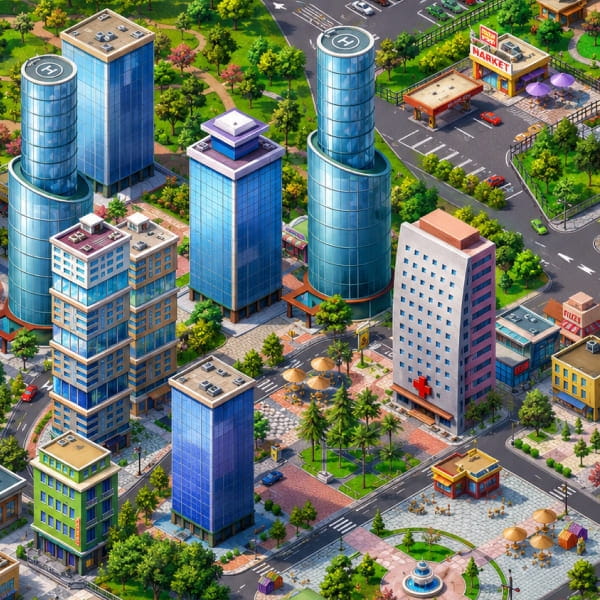
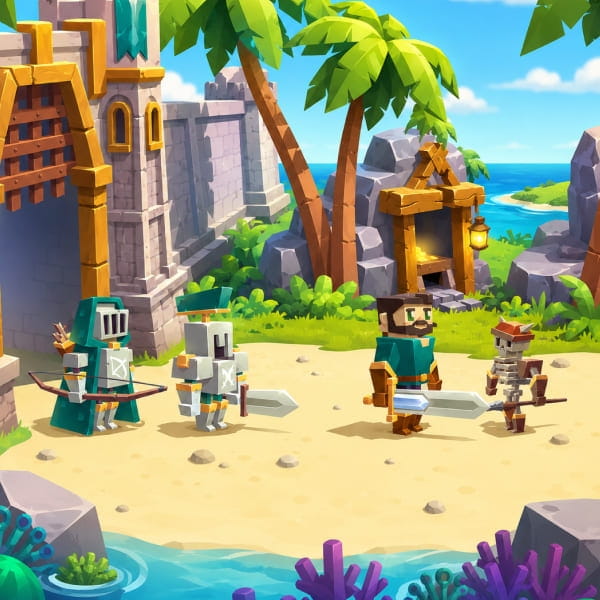
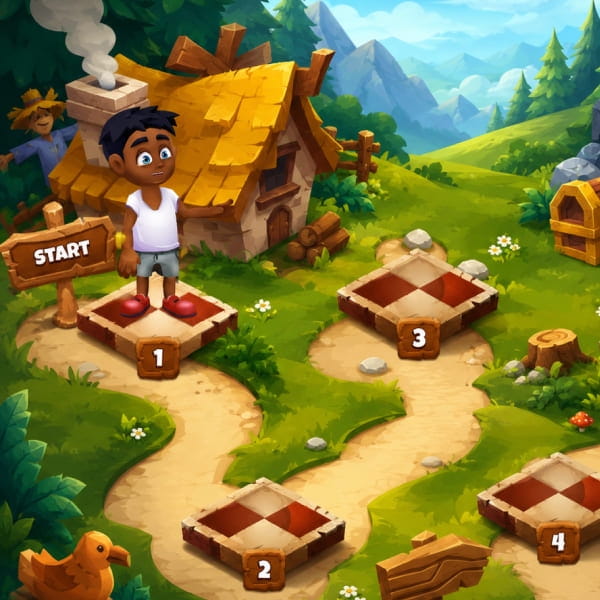
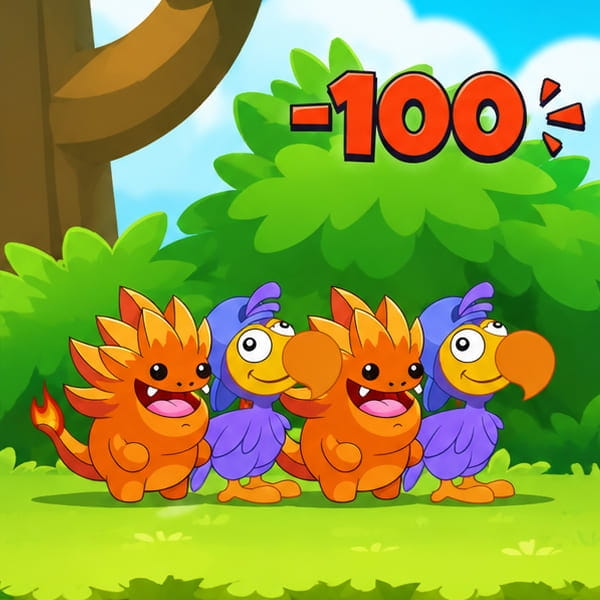
We've been doing game development for Android for years, covering the majority of genres the platform supports. Whatever mechanic you want to place in your game, we most likely have done it countless times.

Featured

Featured Case Studies

Get familiar with our expertise and see it in action. Below are two projects where our Android game developers, artists, and QA engineers took a game the whole way and delivered it to Google Play.

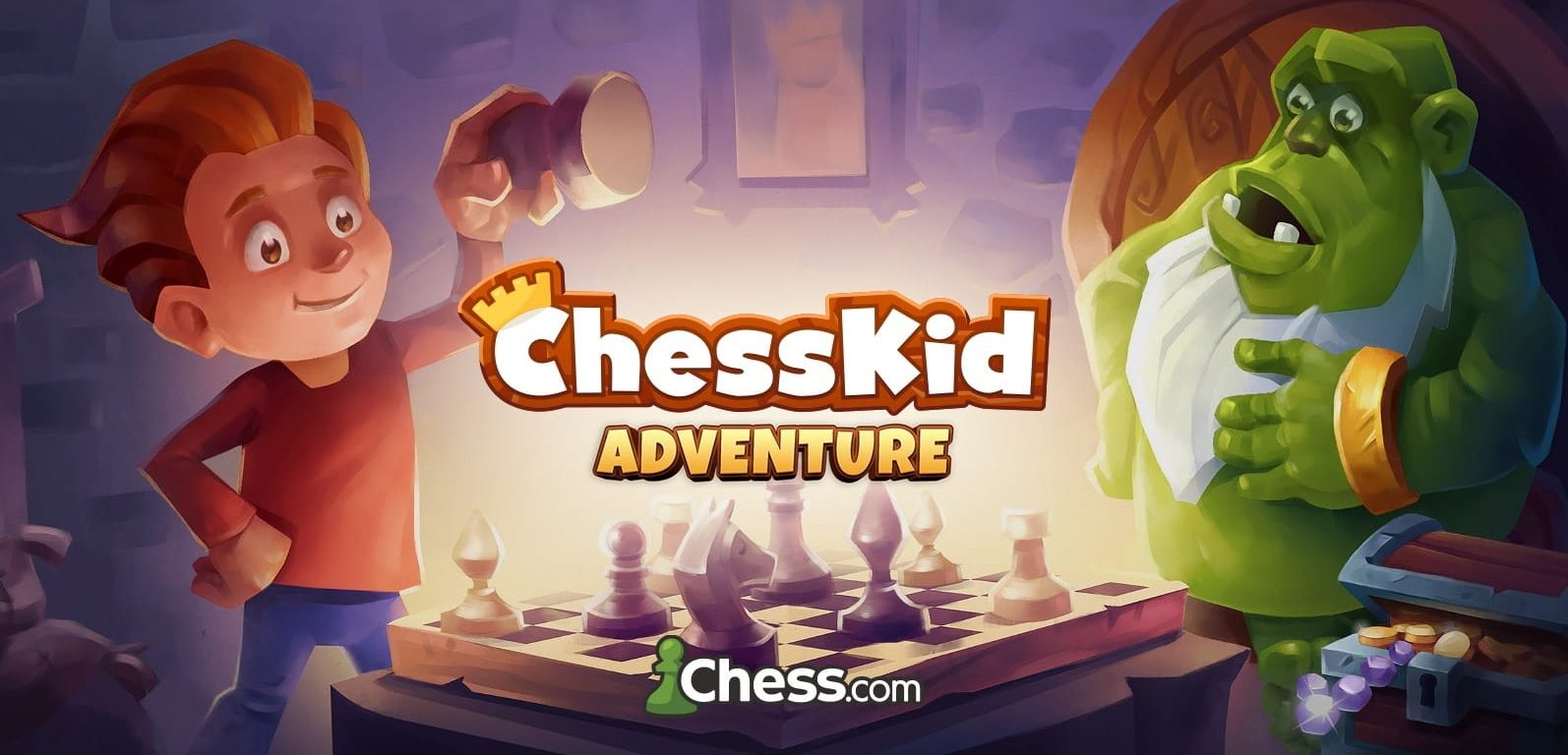
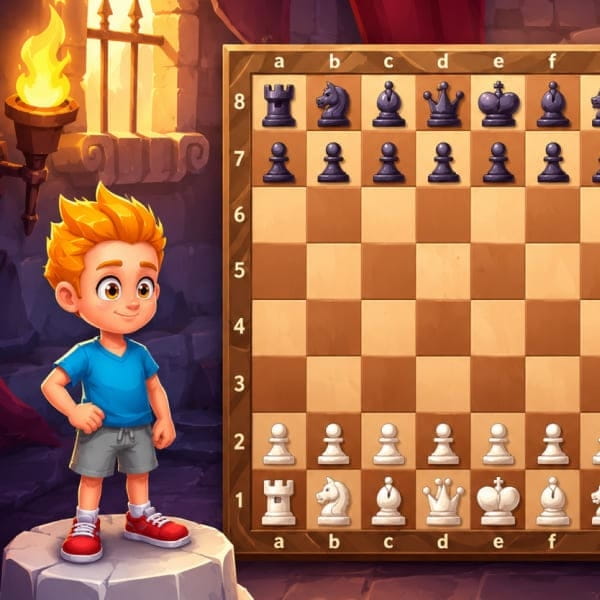
Chess Adventure: Educational Chess Game for Kids

Chess Adventure: Educational Chess Game for Kids

Chess Adventure teaches kids chess through quests, fantasy bosses, and 100,000+ puzzles, all inside a safe environment that was created specifically for kids. Fgfactory built the game from scratch and released it on Google Play and the App Store.

Our team not only created a chess set, but also enriched it with the characters and environments. We also developed the Unity front end, and handled client-server synchronization.

Check the case study
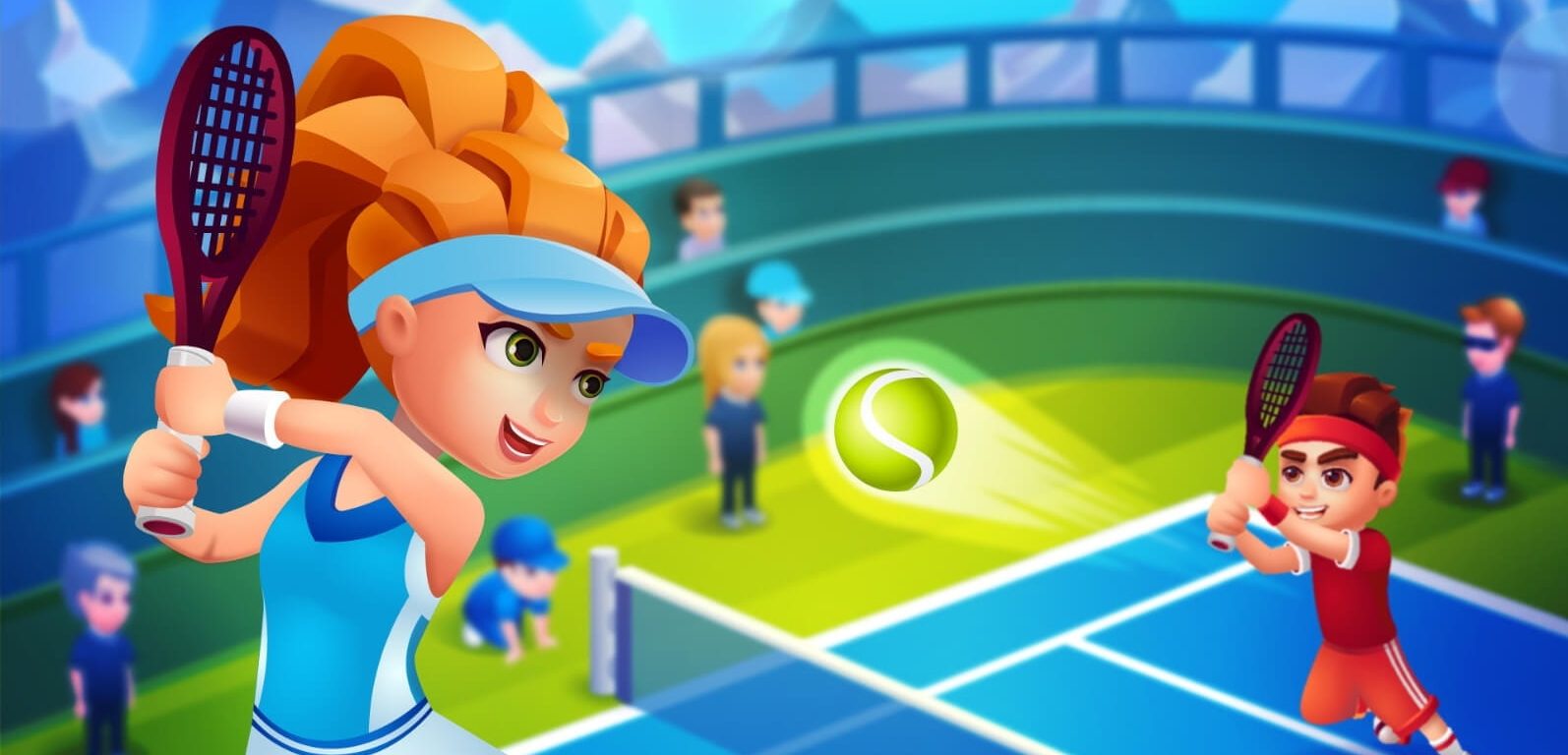
Magnificent Tennis: Cross-Platform 3D Tennis Multiplayer

Magnificent Tennis: Cross-Platform 3D Tennis Multiplayer

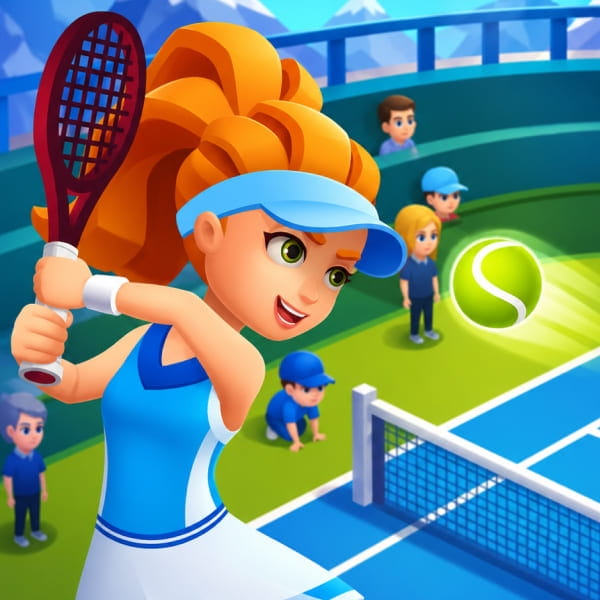
Magnificent Tennis is a 3D multiplayer tennis game running on web, Android, and iOS with a shared codebase. Players customize characters in detail, then try to go higher on ranks, while earning loot. The competition is happening in real time.

We designed and developed the whole product: ThreeJS rendering, React Native mobile builds, Photon multiplayer, and Firebase-backed accounts and purchases.

Check the case study

Discover more projects

Android Development Case Studies

Our Android Game and App development portfolio spans 500+ shipped titles across genres and budgets. The cases below show what the team delivers when we own the full production cycle. Below are just a few of them.

View more case studies

Production Stages

Android Game Development

Game production always needs structure, but not every project needs all of it. We can deliver a game through the classic game development stages, each with fixed deliverables and clear exit criteria. Or meet you wherever your product already is and cover just one of them.

Stage 1

Evaluation

Overview and analysis, Scope estimation

We study your idea, references, and target audience, then flag technical risks and open questions. You receive a scope estimate with a cost range and rough timeline. This stage is free, and we never put any obligations on you in it.

Enhanced

5x

Faster AI-powered evaluation

Secured

100%

Confidential

Stage 2

Planning

Team setup, Timeline planning

Once we figure out the scope, we assemble the team that includes developers, artists, QA, and a producer. We divide the work into milestones with dates and deliverables. You also get a communication rhythm that consists of regular builds, demo sessions, and progress reports, so you always know how the project goes.

Stage 3

Pre-production

Concept, Design, and Prototyping

At this point we decide the fundamentals that will affect the whole game. These are game design documents, core loop, art direction, and technical architecture. With a playable prototype, we try to determine if the main mechanic is actually fun and corresponds to the main idea of the game. We change directions only at this point, when it costs days.

Stage 4

Production

Art & Animation, Development

The longest stage, where game development for Android happens. Artists produce final assets and animation while programmers build features milestone by milestone. Every few weeks you get a playable build for your own device, so you can see the whole progress yourself.

Stage 5

Testing

Compatibility, Performance

QA runs alongside production which we believe is more important and rewarding than to run after. Engineers test each build on real devices across manufacturers, OS versions, and GPU tiers, checking frame rates, memory, battery use, and load times. Before release, we make sure your game is fully playable and won’t have any problems later.

Stage 6

Launch

Product deployment, Source code delivery

We prepare the Google Play listing, upload builds, complete data safety and content rating forms, and our team also manages a staged rollout so any issue surfaces on a small audience first. You also receive the full source code and documentation, so you have all the rights for the game.

Stage 7

Post-production

Additional improvements, Version update

After launch, player data and reviews point us to what we should build next. It can be new levels, features, balance changes, seasonal events. Regular version updates keep the game visible on Google Play and create more interest in the game in the long run.

Stage 8

Maintenance

Ongoing support, Live Ops

We monitor everything that might affect the game in the slightest, including crashes, performance, and backend health. Our team works to patch issues before they have any effect on your ratings, and keep the game compatible with every new Android release. For live games, we run ops too for events, promotions, and content drops. Available as a monthly retainer or on demand.

Expertise and Intelligence

Our Key Advantages

Fgfactory is an Android game development studio with deep experience, as we shipped our first mobile games when Google Play and App Store just appeared. 16+ years, 500+ projects, and a lot of successful results.

Team of Expert Android Game Developers

Our 60+ specialists work across different genres and types of games. Since we’ve been on the market for over a decade, our staff is senior-level, so you can rest assured that your game will be in highly experienced hands.

  • 16+ years on the market
  • 500+ delivered projects
  • 60+ global experts
  • Developers, artists, QA, and producers in-house

AI-Accelerated Delivery

AI tools are part of our daily pipeline, and we deploy them only where they genuinely save time, it can be asset iteration, code assistance, test coverage. Yet we never allow AI to make decisions, as final output still comes through experienced specialists.

Measurable Results

We don't ask you to take our word for anything, because we are always ready to show results. Our happy clients are another source of truth, with reviews on Clutch, where we can't edit them, and our games are live on Google Play.

Tech and platforms

Targeted Expertise

Our Android game development services rest on tools we've used in production for years. So all our engines, backend platforms, and pipelines are more than tested: they are proven across hundreds of shipped projects, so we know how they work by heart.

Game engine

Unity

Our primary engine for Android, and we used to design most of our 2D and 3D projects. All pipelines are tuned for Google Play and cross-platform releases.

Android Games Development on Unity Engine
2D Android Games Development Services

2D Games

Sprites, Spine animation, and polished casual art, and it can be casual and easy or heavy on various features.

3D Android game

3D Games

Full 3D production: modeling, rigging, animation, and optimization within mobile hardware limits.

Backend infrastructure

Custom backend & cloud infrastructure

Player accounts, cloud saves, leaderboards, and game logic on custom servers. In other words, every special need your game might have.

  • ASP.NET
  • Node.js
  • AWS
  • AWS

    Server infrastructure on Amazon Web Services, with monitoring and cost control included, designed specifically to scale easily.

  • Multiplayer

    Real-time multiplayer that allows for all the best from the genre: matchmaking, rooms, and synchronization.

  • Analytics

    Firebase and custom analytics that show how players behave in your game.

Build your team

Our Experts for Hire

Want to hire Android game developers without a full outsourcing contract? Our specialists join your project individually or as a dedicated team, depending on your request.

The future of workflow

AI-Accelerated Production Models

AI tools cut production time in our art, code, and testing pipelines. But we always put a team behind them, because real expertise matters. You choose how much of the project we take on.

Turn-key Production

We run the whole project including design, art, development, QA, and Google Play release, and AI speeding up routine work at every stage. You get a finished game and keep your focus on business.

  • Full team assembled for your project
  • AI-assisted art and code pipelines
  • Fixed milestones and transparent reporting
  • Release and post-launch support included
Discover how it works

Co-development

Our specialists plug into your existing team and workflow, bringing their AI-enhanced pipelines with them. A practical option when you need extra capacity, missing skills, or faster delivery on a live project.

How it works

Real-time sync through CI/CD pipelines and direct Slack/Jira integrations.

Sync with our team

Blog

Latest Updates and News

Our blog covers Android game development in practice, so you can learn about engine comparisons, production breakdowns, optimization tips, and even real life lessons from shipped projects.

Discover the blog

FAQ

Knowledge Base

Questions clients ask us most often about Android Game and App development services might include budgets, timelines, process, or publishing, and we answer them all here. If yours isn't answered below, send it through the contact form and we'll reply directly, usually within one business day.

Need a Custom Solution?

Direct access to our senior engineering or art squad for consultation

Connect now

Everything depends on the scope of your project and what it needs. If you are looking to create a game with basic mechanics and minimal art you might receive a fee of $20,000. A mid-size casual title (a match-3 with meta progression, monetization, and live-ops features) is obviously more expensive. Complex 3D or multiplayer projects are on the top tier of the price.

The biggest cost drivers are the volume of custom art and animation and the number of features and game modes you need. However, there are other factors you have to count on. For example backend needs (multiplayer or cloud saves) and how many device tiers you want to have support for. However, if you have an existing game that needs porting, the price will be lower.

As an Android game development company, we start with a free evaluation. At this point, you describe the idea, and we give estimates and milestones. You will be able to see where every part of the budget goes and then decide if that fits you.

Every case is different, therefore, the timeline is also not the same. For simple games, roughly taken, a production might take up to 4 months, while mid-size projects usually demand 4–8 months. Large or 3D titles can take 8–12 months or longer. If you have an existing game to port to Android, it will take at least usually 1–3 months, depending on the source platform and how much adaptation the build needs.

The more items you need in the game, the longer it will take to produce. One Android-specific factor is device coverage, and it has to be taken into account. Supporting a wide range of hardware tiers adds testing and optimization time, which is why we plan it in the very beginning of the work.

Our Android game development studio organizes every project around milestones with playable builds, so you watch the game building up step by step.

There are eight stages normally: evaluation, planning, pre-production, production, testing, launch, post-production, and maintenance. Our Android game developers, artists, and QA engineers step in at different points along the way.

But it does not mean you have to go through each one or necessarily order it fully.

As with everything else when it comes to game development, it really depends on your goals, particular stage your game is in, and what you actually need to do at the moment. Some clients bring us in for a single stage that could be only porting, QA, art production or a few stages combined. Others hand over the full cycle.

We recommend starting from evaluation to see where you are and what you need, and then, after checking your budget, you can ask to tailor some services if needed.

Yes, publishing is a standard part of our Android game and App development services, and we never consider it an add-on. We prepare the complete store listing: screenshots, descriptions, promo graphics, content rating questionnaire, and the data safety form Google now requires. In general, we are always aware of the changes Google introduces, and meet the new requirements as a part of the game development package.

We configure the release in Play Console, sign the build, and set up a staged rollout, so the game reaches a small percentage of users first. If there are mistakes or minor flaws, it's caught before it reaches a bigger audience.

If Google's review team pushes back on anything, we will change whatever needs to be changed. We can publish under your developer account or help you set one up, and either way you keep full ownership of the account, the listing, and the source code.

After the release, the team that was working on the game monitors crash reports and store reviews, so the first post-launch update is based on real data.