Full-Cycle Unity Game Development from Concept to Launch
Fgfactory is a Unity game development company with 16+ years on the market, shipping projects for every major platform. Our portfolio consists of 500+ shipped projects, so we can build anything you want, everywhere.
Key Offerings
Our custom Unity game development services have been working on every platform Unity supports. Tell us where you want to run your game, and we build it in Unity. We make sure if the same project works the same way on each platform.
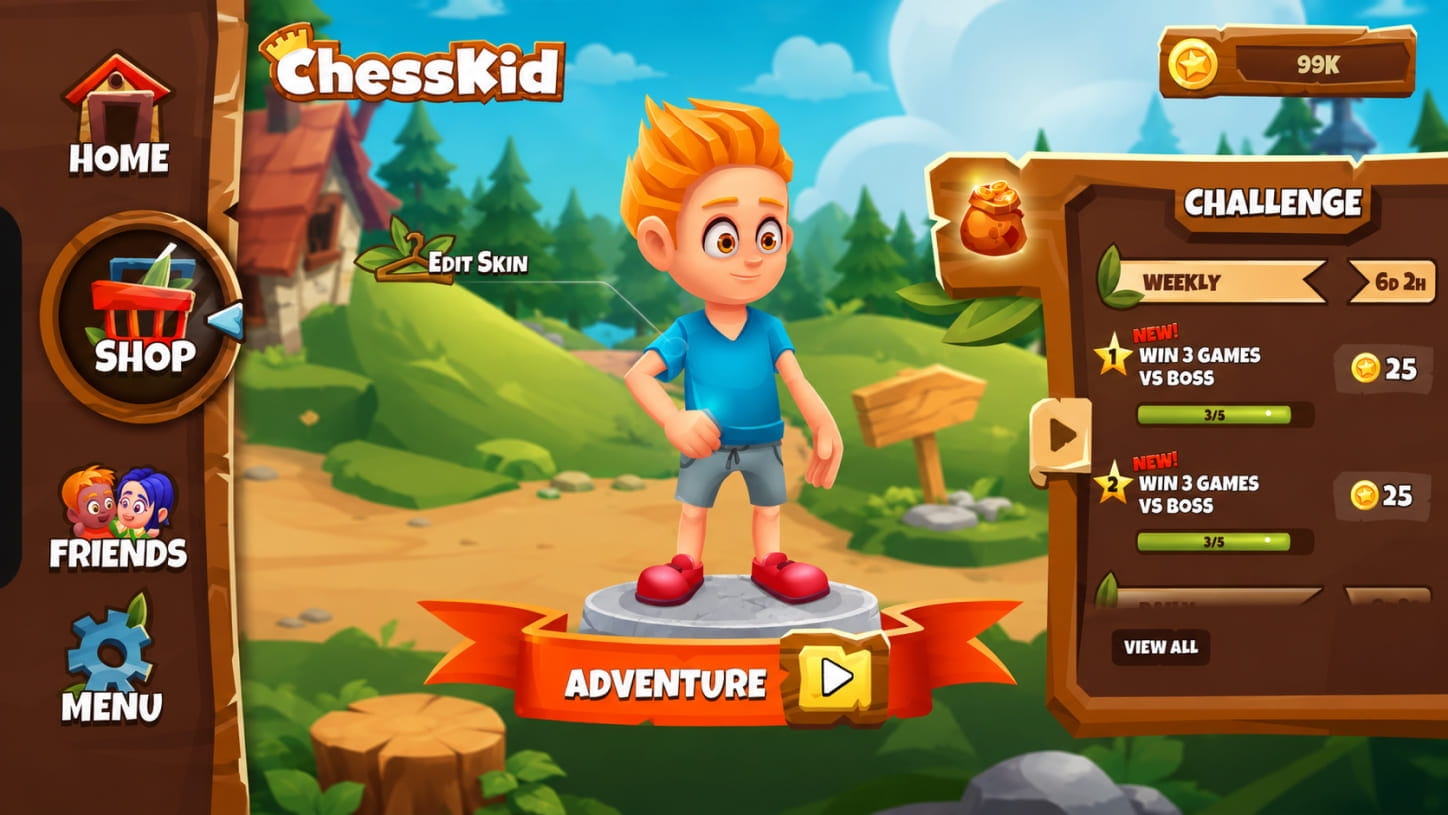
Unity mobile games for iOS and Android, with every single requirement met to get available on App Store and Google Play.
Explore service
Windows, macOS, and Linux builds ready for Steam, or we can prepare your game for standalone release. Custom controller support too, if your project runs on something other than a keyboard and mouse.
Explore service
WebGL games that open in a browser tab, so your audience don't have to download anything. It is the best choice for marketing campaigns, playable ads, or instant play.
Explore serviceAll Services
Our Unity game developers have been shipping projects in the engine for over a decade, actually since the days when Unity was still catching up to Flash. Whatever platform, genre, or budget you bring, we can give you the best version of it because we have already done it.
Engine of choice
Choosing an engine is choosing a stack for years, so it should be a considered decision. Fgfactory has been a Unity development company since our earliest projects, and we've stayed with it for reasons that hold up in production, not because of marketing.
Cross-Platform by Default
One codebase, 25+ platforms, no per-platform rebuilds.
Fastest Path to Launch
Rapid iteration, a huge asset ecosystem and proven tooling get you from prototype to launch sooner.
Dominates Mobile & Indie
70%+ of mobile games; the preferred engine for indie and mid-core studios.
Best Performance & Optimization
Fine-tuned rendering, multithreading and built-in profiling for any hardware tier.
Cost-Efficient at Scale
Smaller teams, shared tooling and lower overhead vs. Unreal for most genres.
Future-Proof & Supported
Frequent engine updates, long-term platform support and the largest game-dev community behind every project.
Mechanics & genres
Unity is a perfect choice for almost any genre, and as a Unity game development company with 500+ shipped projects, we have worked with everything there's to work with. Whatever mechanic is the main one in your game, we know how to build it flawlessly.
Casual & Hyper-Casual
Quick sessions, one-thumb controls, and gameplay loops help retain users.
Puzzle
Logic games, brain-teasers, and physics puzzles with eye-catching, beautiful level design.
Arcade
Very easy to start and impossible to put down, endlessly replayable on any device.
Educational
Learning games for kids and adults, based on curriculum if you request that.
Action
Fast-paced combat and shooters with creative animation and stable performance.
Serious Games
Purpose-built games for training, healthcare, and business to engage users while meeting real goals.
Simulations
Management, life, and vehicle sims with highly balanced systems.
Gambling
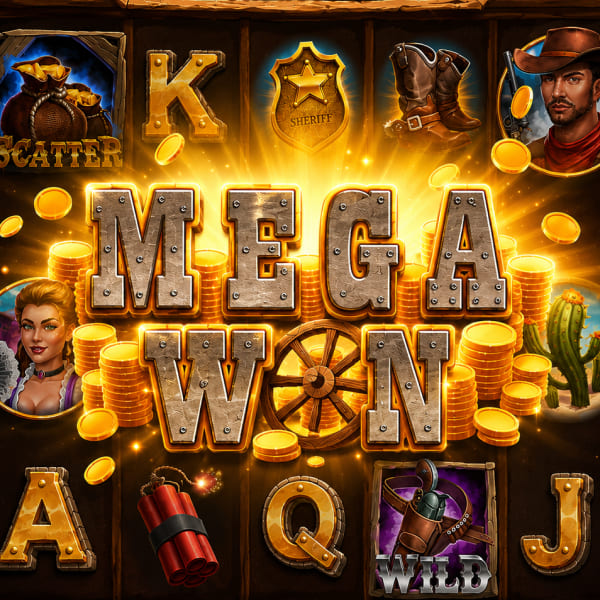
Slots, bingo, and cash games with certified RNG and payment integration.
Discover more projects
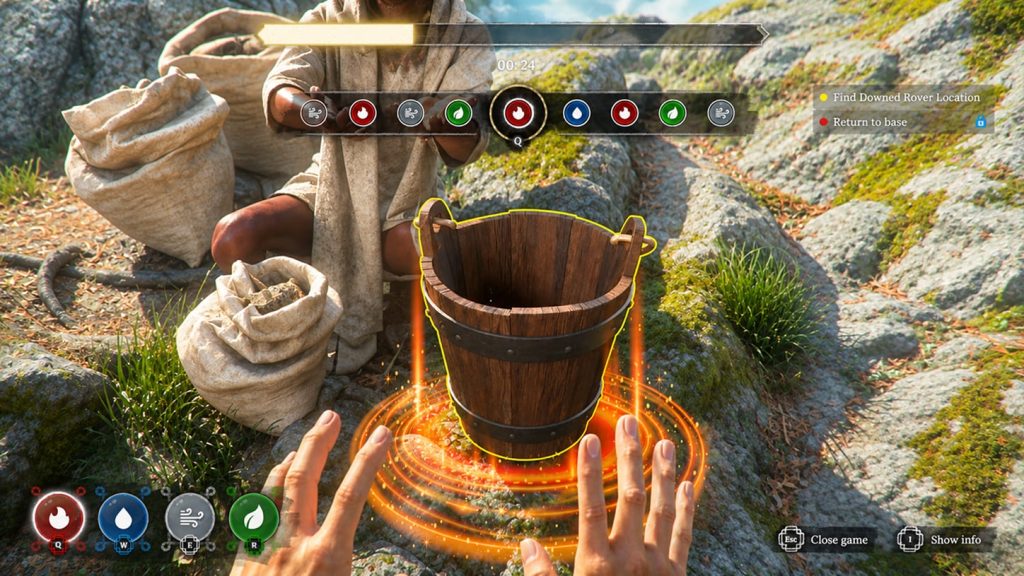
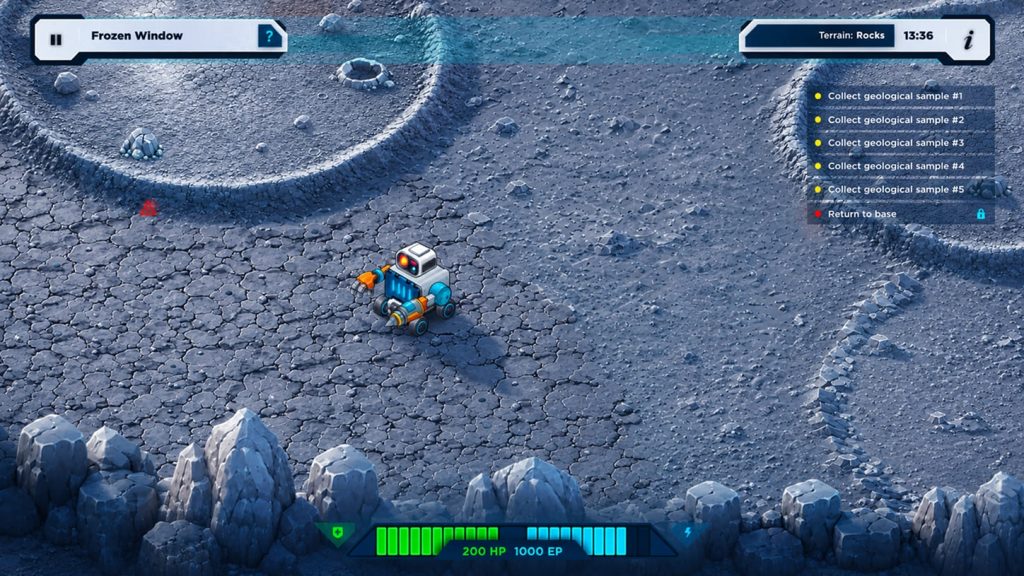
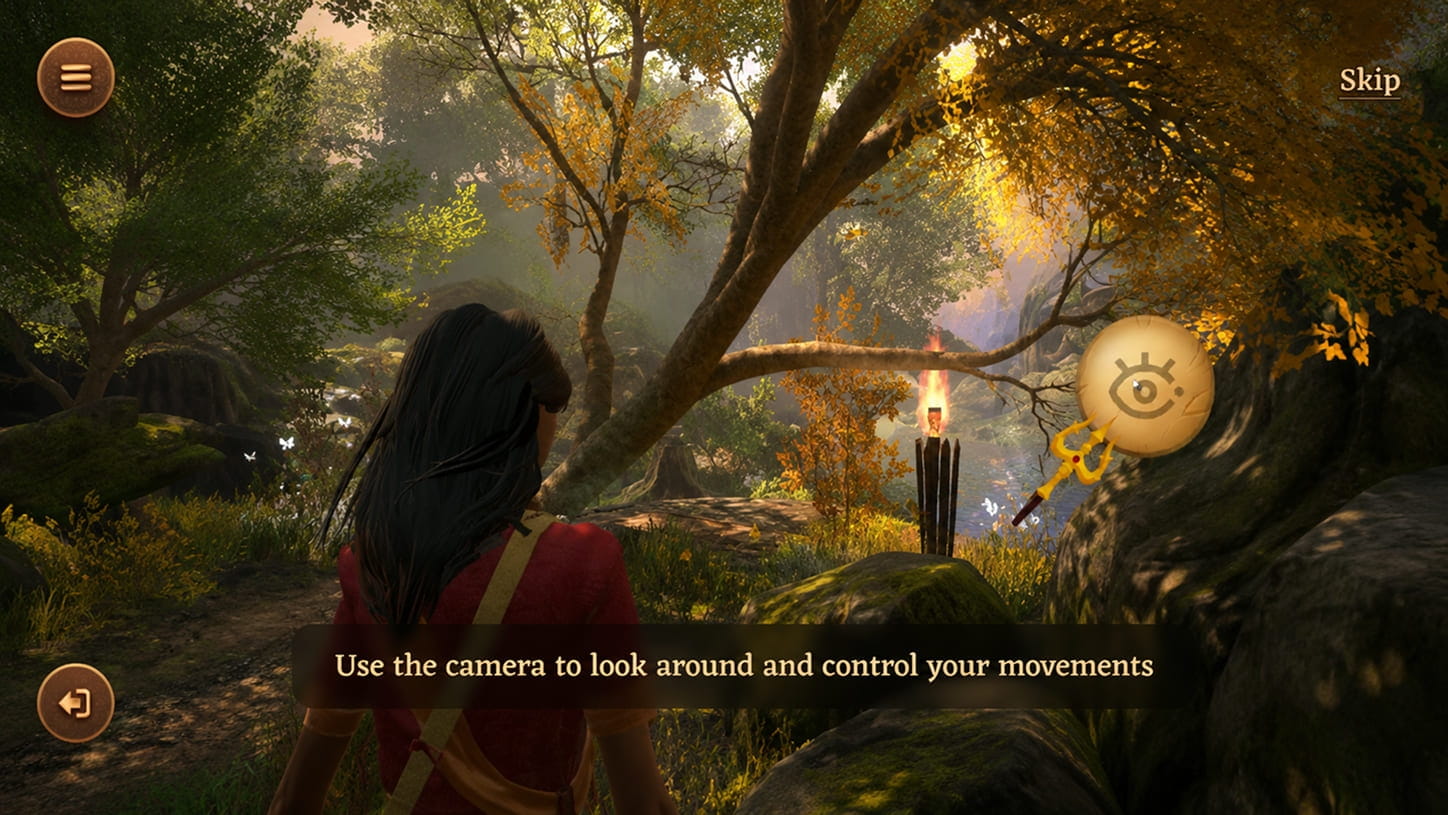
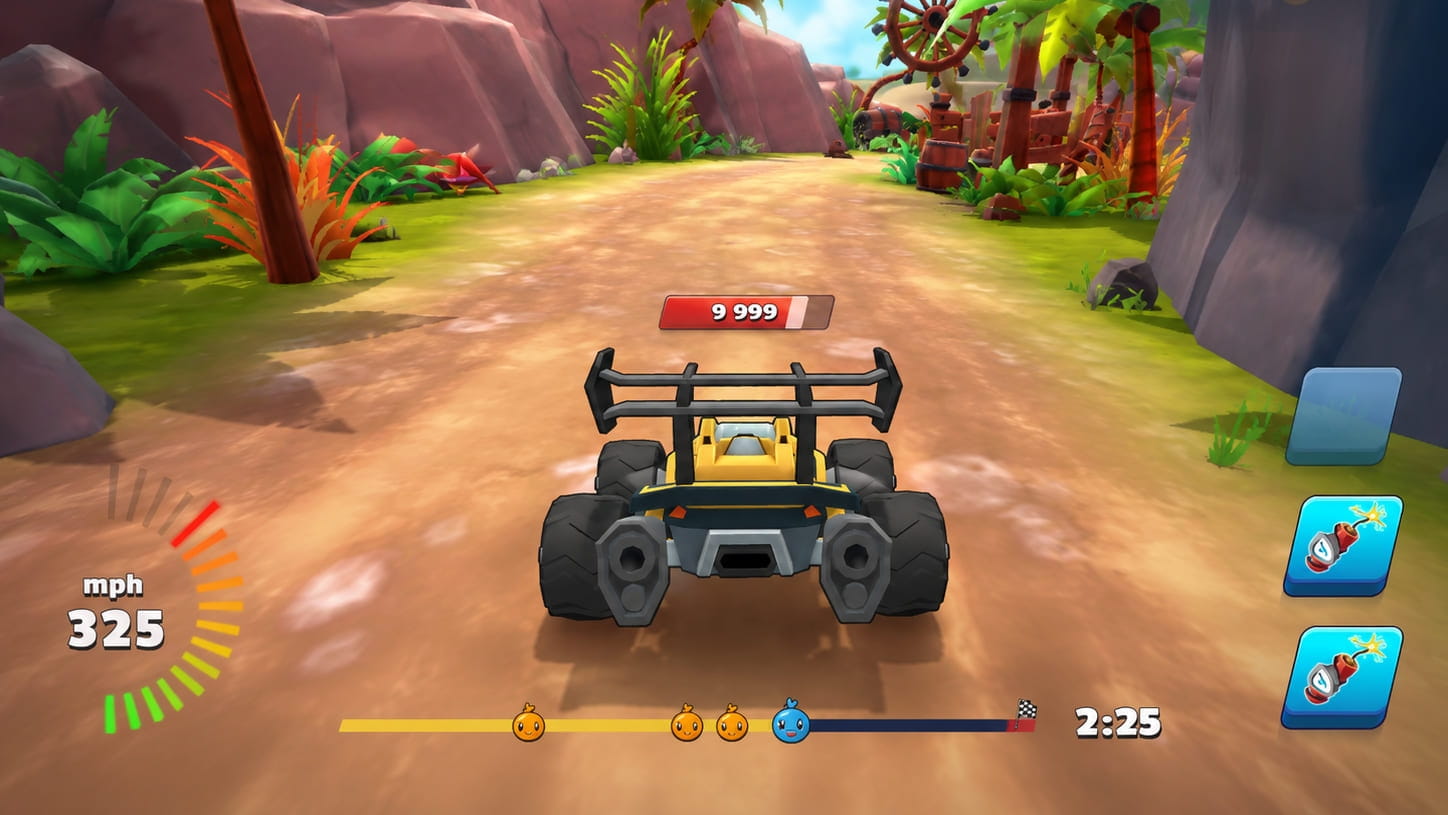
Our full Unity game development services portfolio is far beyond these three projects, delivering absolutely different games that include casual mobile titles, gambling platforms, educational games, branded marketing games, and multiplayer products for clients worldwide.
View more case studies
Desktop
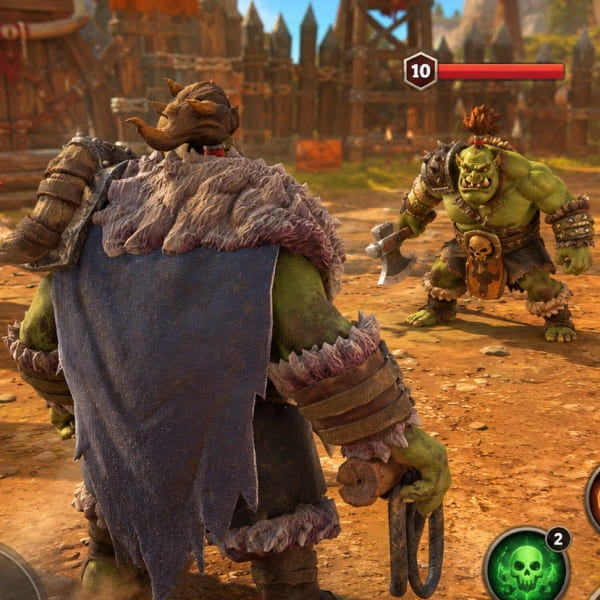
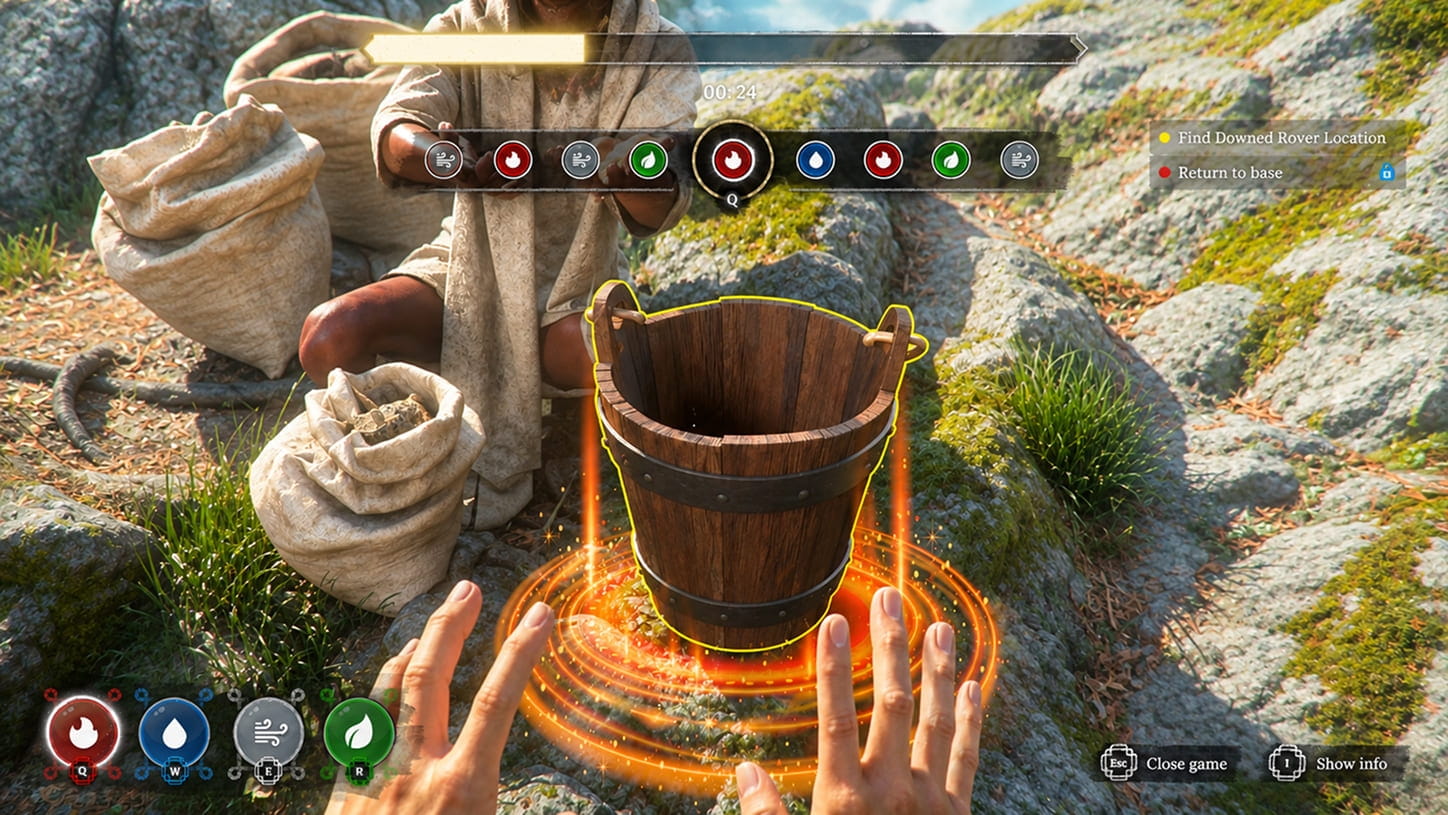
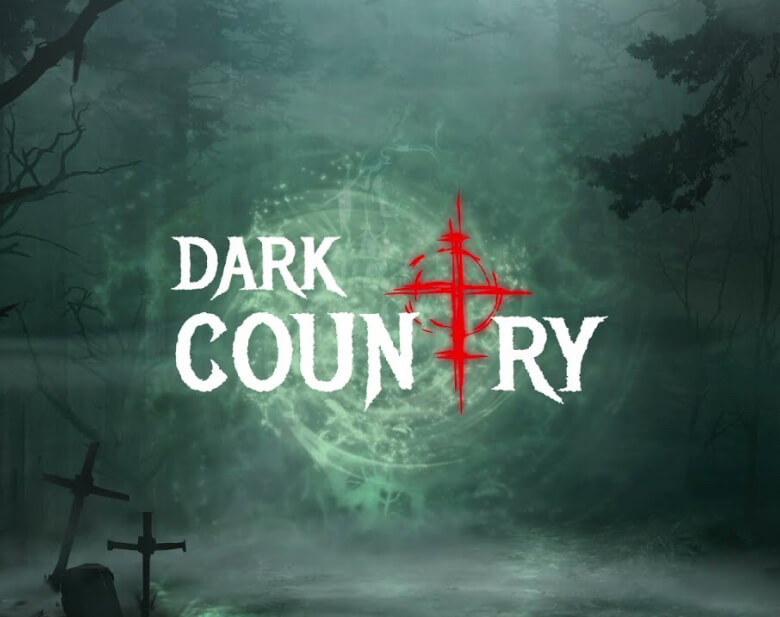
Dark Country
Our team was responsible for building both front-end gameplay developed with Unity, back-end side, and real-time multiplayer.
Mobile, Multiplayer
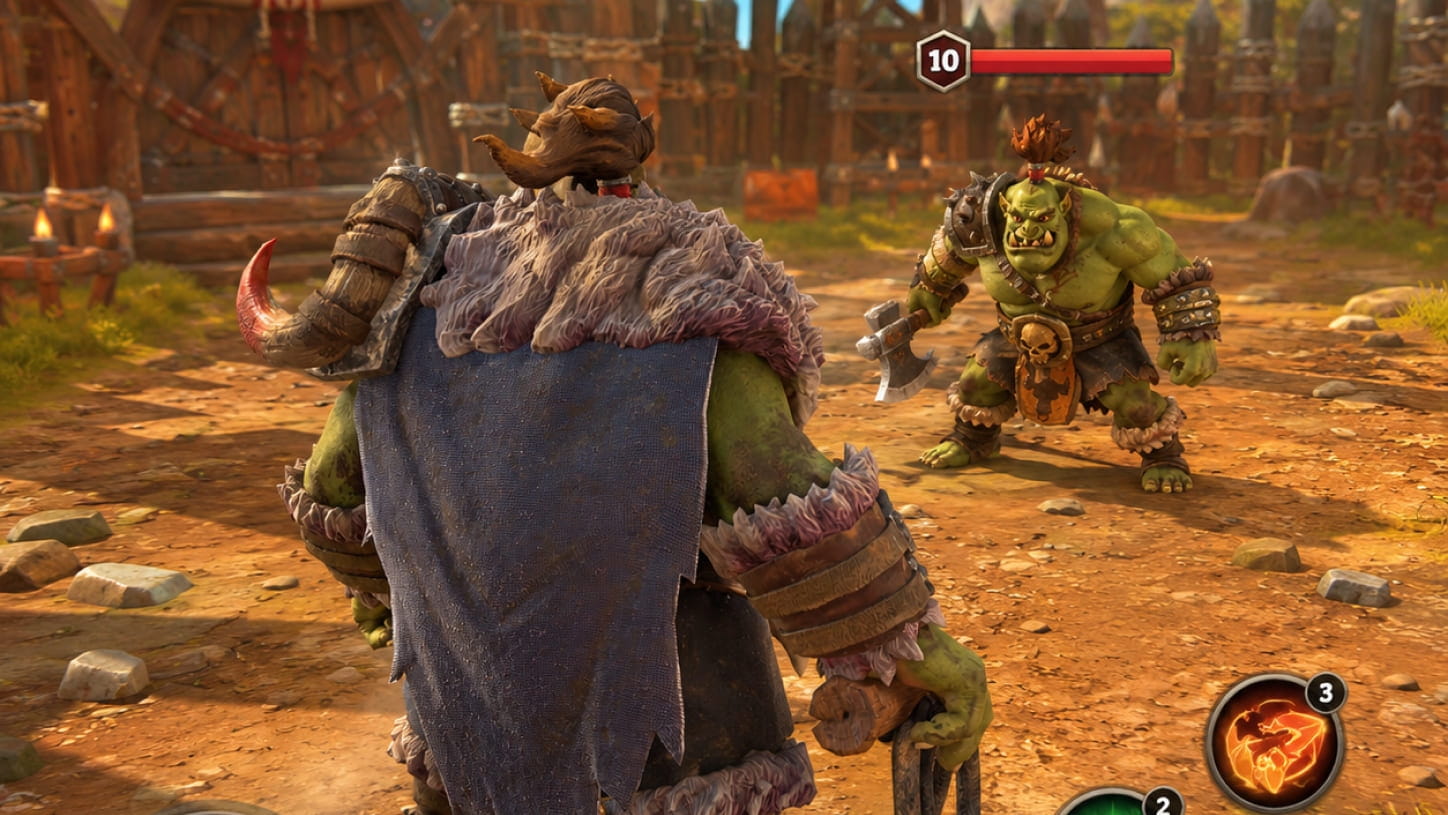
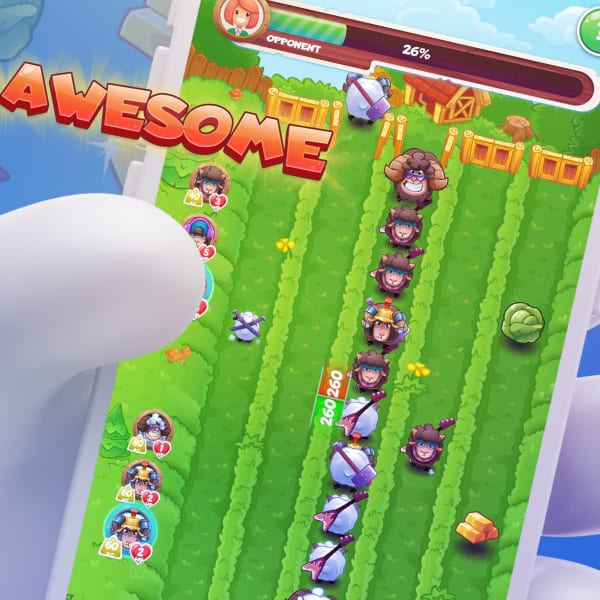
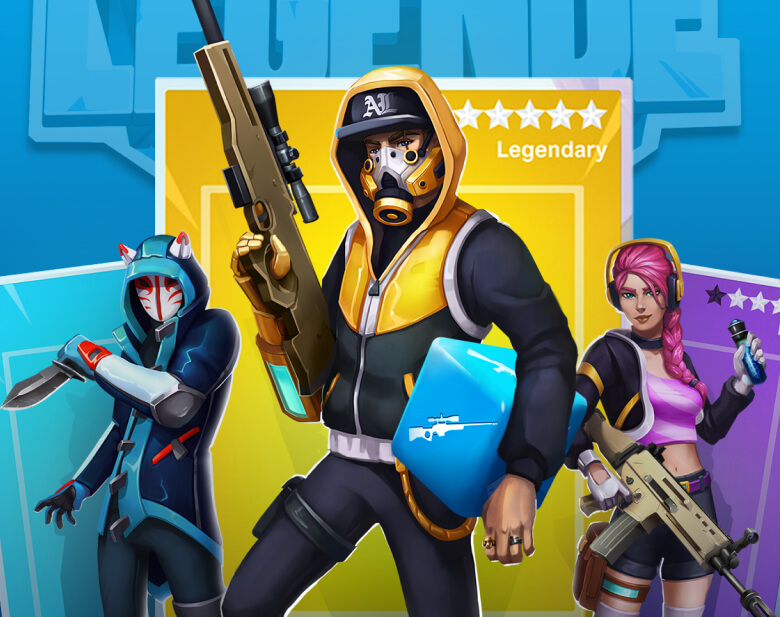
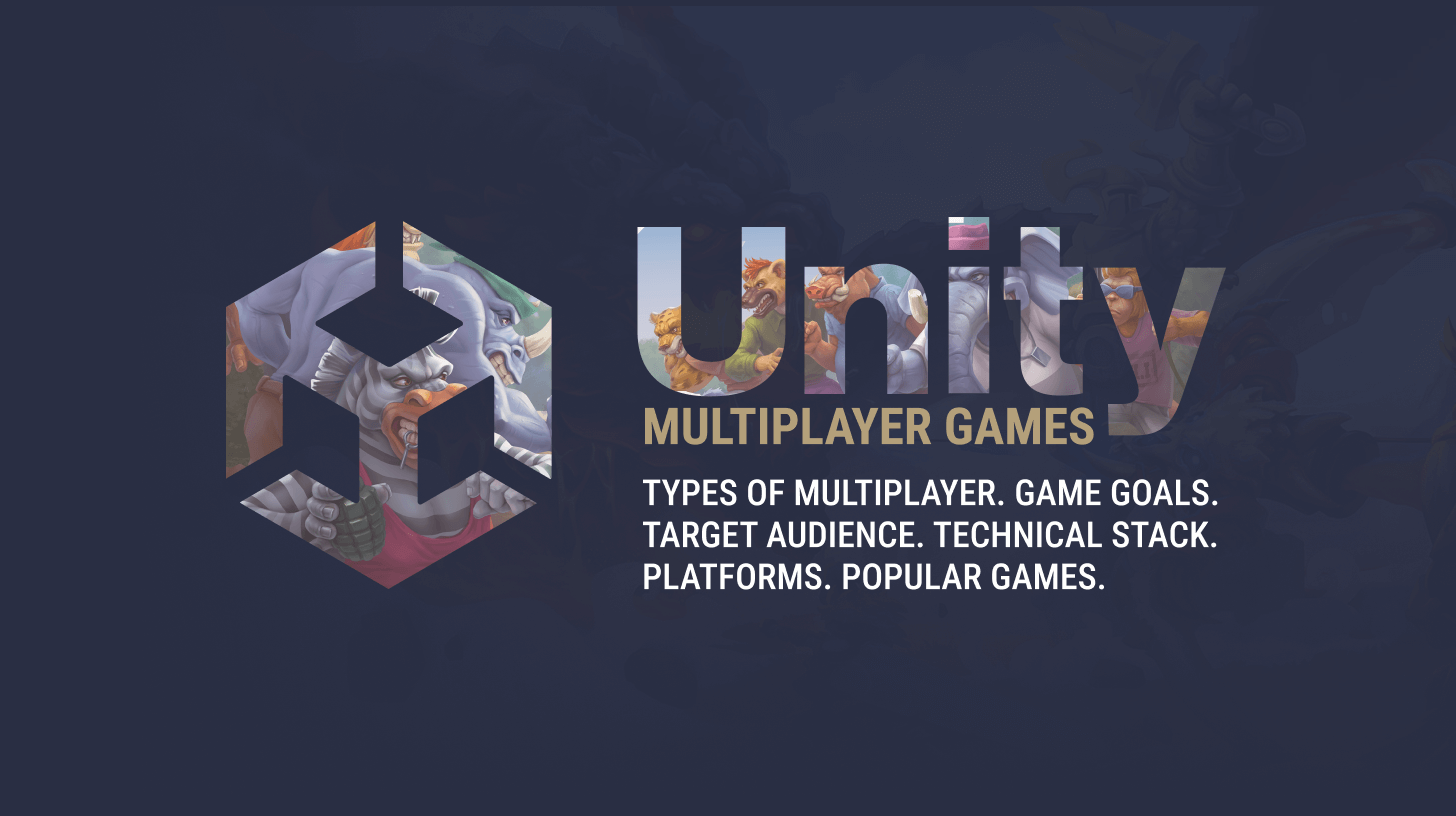
Battle Legende
Full-cycle design and development of the mobile PvP multiplayer turn-based cards game from start to release.
Hyper casual, Mobile
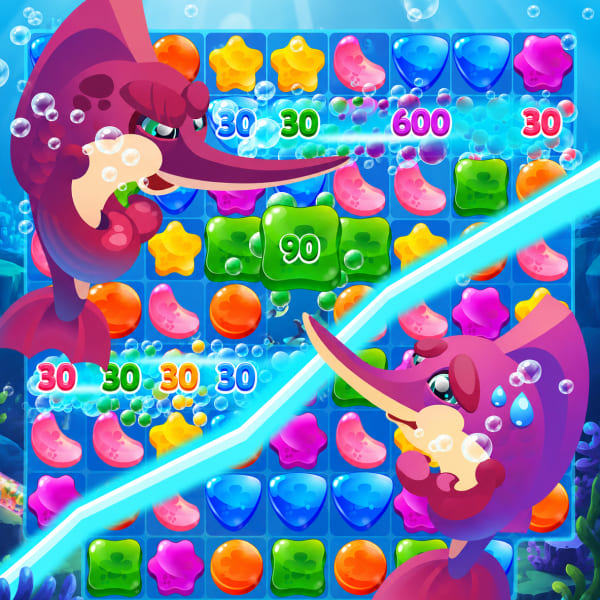
Mega Dragon Saga
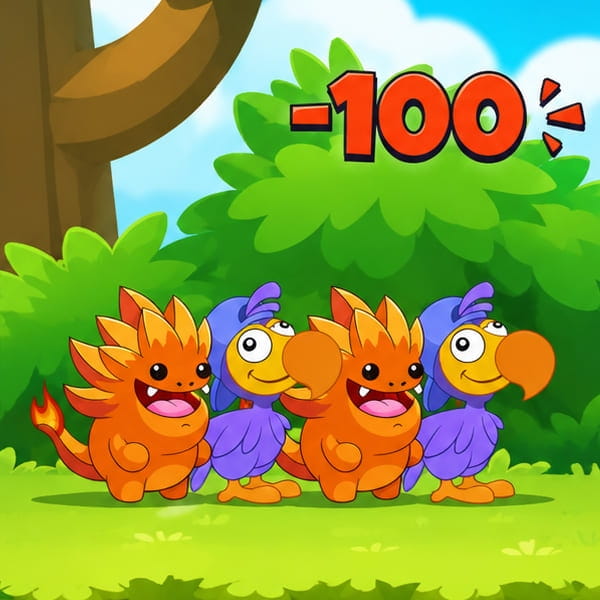
Hyper casual mobile game where you should balance the character and raise it up the level bypassing obstacles.
Production Stages
Game production goes off the rails without structure. We keep ours strictly working in the exact amount of stages your project really needs, each with fixed deliverables and clear exit criteria. You always know what is finished, what is in progress, and what the next milestone costs.
Stage 1
Evaluation
Discovery and Scope Estimation
We study your idea, references, and target audience, then flag technical risks and open questions. You receive a scope estimate with a cost range and rough timeline. This stage is free and comes with no obligations, because it exists solely for both sides to decide with real numbers on the table.
Enhanced
5x
Faster AI-powered evaluation
Secured
100%
Confidential
Stage 2
Planning
Roadmap and Timeline Definition
Once the scope is settled, we assemble the team of developers, artists, QA, and a producer, and break the work into milestones with dates and deliverables. You also get a communication rhythm with regular builds, demo sessions, and progress reports, so you always know what is happening.
Stage 3
Pre-production
Concept, Design, and Prototyping
Here we lock the fundamentals: game design document, core loop, art direction, and technical architecture. A playable Unity prototype shows if the core mechanic actually works, and whether it’s fun. Changing direction now costs days, while doing mid-production costs months.
Stage 4
Production
Art & Animation, Development
The longest stage, where Unity game development happens. Artists produce final assets and animation, programmers build features milestone by milestone. Every few weeks you get a playable build for your own device, so you can see and test progress as it happens.
Stage 5
Testing
QA and Bug Fixing
With Fgfactory, QA runs alongside production. Engineers test each build on real target devices, checking frame rates, memory, load times, and platform-specific behavior. Before release, a full regression pass confirms the game is stable across every platform in scope.
Stage 6
Launch
App Store Release Management
We prepare store listings for App Store, Google Play, Steam, or wherever the game ships, and handle builds, certificates, metadata, screenshots, and content ratings. If a review team pushes back on anything, we manage the fixes and resubmission.
Stage 7
Post-production
Updates and Features Integration
After launch, player data and reviews tell us what to build next: new levels, features, balance changes, seasonal events. Regular version updates keep the game important because they make the game visible in the store for a very long time.
Stage 8
Maintenance
Support and Performance Monitoring
We monitor crashes, performance, and backend health, patch issues before they affect your ratings, and keep the game compatible with each new Unity LTS release and target platform update. Available as a monthly retainer or on demand, completely up to you.
Expertise and Intelligence
As a Unity game development agency we've shipped games in the engine for over a decade. Our experience on the market and deep knowledge of gaming tendencies allows us to pick the right approach for each project, and we never force every game through the same pipeline.
Fixed milestones, fixed deliverables, and we never add hidden line items. You see the plan up front and the progress every week, so nothing about the project schedule or budget comes as a surprise later.
AI tools are part of our daily pipeline where they only save time. We apply it for asset iteration, code assistance, test coverage. Every decision and final output belong to our experienced specialists, and they look after AI, managing its limits.
Unity's real strength is reach, and we use it. One project can ship to iOS, Android, Windows, macOS, WebGL, and consoles from the same codebase, with platform-specific tuning where your projects need that.
Build your team
Want to hire Unity game developers without committing to a full outsourcing contract? Our specialists join your project individually or as a dedicated team.
Game Developers
Programmers with shipped Unity titles behind them, perfectly literate in gameplay logic, integrations, and performance tuning across mobile, desktop, and web builds.
Unity Developers
C# specialists who know Unity's editor, rendering pipelines, and build tools in detail. You can expect something as prototype scripts as well as production-ready code.
Game Artists & Animators
2D and 3D artists producing concept art, assets, UI, and Spine animation. All delivered Unity-ready with correct pivots and atlases.
UI/UX Experts
Designers who build interfaces around each platform's conventions, so navigation is easy and intuitive regardless of device your game will be on.
QA & Test Engineers
Testers who put your builds through real devices across every target platform, logging every issue with reproduction steps.
DevOps Engineers
Specialists who set up CI/CD, automated builds, and server infrastructure, so your game is fully reliable on its invisible side.
Producers & PMs
Managers who keep scope, budget, and timeline under control and give you one clear point of contact.
What partners say
Clutch collects all the feedback independently, so whatever people say about us there, we can't edit a word of it. See what companies say about working with our Unity development company before starting your own project.
The future of workflow
AI tools save production time across our art, code, and testing pipelines. We never change our main rule and use AI to enhance the work of the team behind it. You choose how much of the project we take on.
Turn-key Production
We run the whole project including design, art, engineering, QA, and store release. AI speeds up routine work at every stage, navigated carefully and to the point by our professionals. You get a finished game in the discussed timeline.
Co-development
Our specialists can become a part of the existing team and workflow, sharing our AI-pipelines and expertise. If your project needs extra capacity, or you need skills your team lacks, or just faster turn-around, this is your option.
How it works
Real-time sync through CI/CD pipelines and direct Slack/Jira integrations.
Blog
Notes from our company: what our team is figuring out on Unity game development, breakdowns of features and pipelines, and the occasional lesson we wish we'd learned earlier.
Discover the blog
Unity vs Unreal Engine: Tips to Define the Suitable Stack
Choosing the right game engine is crucial for your project’s success. Learn the pros and cons of Unreal Engine and Unity to define which one is the most suitable for your project!
Building a Multiplayer Game with Unity
Explore the evolution of online gaming and learn how to create multiplayer experiences with Unity. From local to global player modes, network solutions, and platform-specific tips, this guide covers essential Unity strategies for engaging online gameplay.
Usage of Unity WebGL for Web-Based Games
Explore the comprehensive impact of Unity WebGL on web game development. This powerful engine enables seamless cross-platform gaming, delivering high-quality 2D/3D experiences directly in browsers.
FAQ
The short version of every long conversation we've had with clients on our Unity game development services. Read through, and if something specific to your project isn't here, send it our way, and we'll answer directly.
Unity is a cross-platform game engine that allows a team to build a game once and ship it to multiple platforms, including all the big names like iOS, Android, Windows, macOS, WebGL, VR headsets, and major consoles. The biggest advantage is that a single codebase is enough. Complex things like rendering, physics, animation, and audio are handled inside the engine. Unity is an industry standard, used across everything. That means hyper-casual mobile titles and heavy AAA games, too.
Unity game development includes writing gameplay logic in C#, building scenes in the Unity editor, preparing art assets, and configuring the engine for each target platform. It's a mature, well-documented ecosystem with a huge pool of specialists and libraries.
Our custom Unity game development services take a project through every part of that process, and we help you with the release. You get a finished game built for the platforms you actually want results from.
It is impossible to give one correct answer to this question, as everything depends on scope. Simple casual games start around $20,000–50,000, but since each project’s requirements are different, the price can vary. Mid-size projects that include a bit more sophisticated things like meta progression and monetization might run $50,000–150,000. Complex 3D, multiplayer, or open-world titles go beyond that, sometimes well beyond.
The biggest cost drivers are custom art and animation especially if they come in big volumes. The same applies to the number of features and game modes, backend requirements like multiplayer or cloud saves, and how many platforms you have support for. Cross-platform Unity projects are cheaper per platform than building separately, but still it is a lot of work and that is what drives the cost. Each platform needs its own testing and tuning, and these prices can differ.
As a Unity game development company, we start with a free evaluation: you describe the idea, we return a scope estimate broken into milestones. This is an important stage for both of us, because we evaluate what will have to work on, and you see where every part of the budget goes before signing anything, and if the total is too high, we'll show you which scope cuts bring it down.
Every project runs on a different schedule, so we can only offer very rough estimates. For example, simple casual games take 2–4 months, mid-size projects 4–8 months, and large or 3D titles up to a year or even longer if the game is very complex. Cross-platform Unity builds add some testing time per platform, but still not as much if you were building the platform separately.
The timeline here depends on the same factors as cost. If you want more art, more features, and it all comes with backend complexity, and how many design revisions the project goes through. If the game design document is decided early, it makes the biggest difference, because nothing will change later, and you won’t have to pay for those pivots in the middle of game development.
Our Unity game development agency organizes every project around milestones with playable builds, so you watch the progress as it happens. If you're working against a specific deadline, just let us know, so we plan everything around it.
Unity offers a unique advantage that you won't find elsewhere which is reach. One codebase ships to over 20 platforms, including iOS, Android, Windows, macOS, WebGL, and every major console. That's a huge benefit, time and money saver.
Beyond reach, Unity has a massive asset store, a mature C# scripting API, strong 2D and 3D tooling, and a global pool of experienced developers. It works perfectly well for stylized mobile games and photorealistic desktop projects, with three render pipelines to choose from depending on the target.
That said, it is important to mention that Unity isn't the right pick for every project. Extremely graphics-heavy AAA console games often go to Unreal instead, and pure 2D indie games sometimes prefer lighter engines like Godot. But if you are somewhere in between those, it will work for most mobile, web, and cross-platform. Unity is the practical default, which is why it powers most of the games currently on the App Store and Google Play.
The main reason is price and speed. If you want to hire a full in-house Unity team for a single project you will have to pay a lot. Besides, you need the whole team of professionals that includes programmers, artists, animators, UI designers, QA engineers, and a producer, and they all have to be with Unity experience. And once the game ships, most of them have nothing to do. Outsourcing means paying for the team only while the project runs.
Outsourcing also gives you access to specialists that are usually very hard to hire directly. These are VFX artists, Unity performance experts, backend engineers, VR designers. Thus, hiring them for a specific task or a project, you won't have to add each role into your permanent headcount.
For sure, there are cons, but they are manageable. A remote team needs clear scope, regular communication, and a producer on your side who can make decisions. When those pieces are in place, outsourced Unity development ships faster and cheaper than an in-house team for most project sizes. When they aren't, it will take more time than needed. However, it is important to remember that you have to choose a studio that's structured around client communication.
The cheapest one is to look at freelance marketplaces, however, prepare for a different quality, and the fact that you will have to manage the person you hire yourself.
Another popular option is in-house hiring. However, that comes with a big budget and ample time period. On average, in order to recruit a senior Unity developer, you need around 6 months.
Finally, you can hire a studio or agency. This is the safest option in terms of quality, because you get vetted Unity game developers already working together, plus supporting roles like art and QA.
The studio is the most practical option, because you don’t look for Unity developers one by one, and you do not have to dedicate extra budget for permanent salaries. Once the project reaches its finish, you can conclude your collaboration or move on to another one based on different agreements.
If you want to start with Fgfactory, just send us a rough brief through the contact form. Once we study it, we will reach out to you to schedule a call, and discuss what you want to build. Then, you will get a free evaluation of your project with a proposed team, scope estimate, and timeline. After that, you can make a decision whether it suits you to start working with us.
Start the dialog
From immersive games to highly secured software, we architect digital experiences that scale.
Recognised by Top Platforms
Top Software Developers
Verified Design Agency
Trusted Tech Provider